Physical Address
304 North Cardinal St.
Dorchester Center, MA 02124
Physical Address
304 North Cardinal St.
Dorchester Center, MA 02124

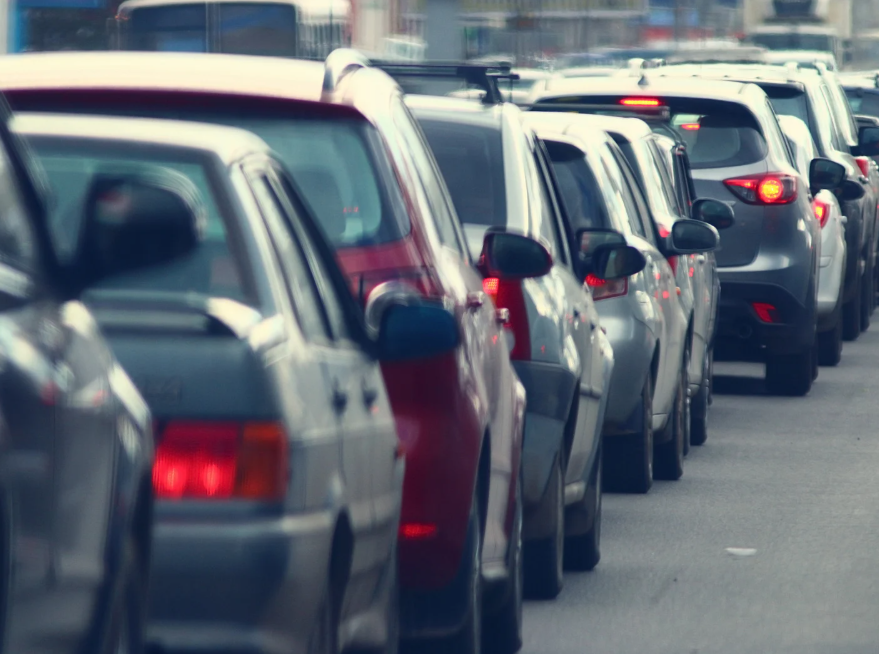
Emergency road closures can happen with little warning because of serious accidents, flooding, fallen trees, damaged infrastructure, hazardous spills or other unexpected incidents. When a road suddenly becomes unavailable, drivers may be confused about where to go, while emergency crews need clear and safe access to the affected area. Traffic controllers play an important role in managing these situations and helping keep road users, pedestrians and response teams safe.
During these circumstances, accredited traffic controllers help establish safe traffic movements around the closure. They can direct vehicles, manage temporary traffic arrangements and communicate important instructions to road users. Their presence can reduce confusion and support a coordinated response while authorities work to resolve the emergency.
One of the main responsibilities of traffic controllers during an emergency road closure is protecting people from potential hazards. An incident may involve damaged vehicles, debris, exposed infrastructure, emergency equipment or workers operating close to moving traffic.
Traffic controllers can position themselves at strategic points to warn approaching motorists and guide them away from dangerous areas. They may use approved signs, traffic control devices and hand signals to communicate with drivers. Their visibility also provides a clear indication that normal traffic conditions have changed.
By controlling vehicle movements, traffic controllers help reduce the risk of motorists entering restricted areas or approaching an emergency scene too quickly. This is particularly important when visibility is limited or when road conditions change rapidly.
Emergency road closures often involve police, ambulance crews, firefighters, road authorities and other response teams. These professionals need sufficient space to carry out their duties safely and efficiently.
Traffic controllers can help maintain controlled access around the incident area while allowing authorised emergency vehicles to enter and leave when required. They can also prevent unnecessary vehicles from obstructing emergency operations.
For example, if an accident blocks several lanes, traffic controllers may direct vehicles through an available lane while keeping a clear path for emergency responders. If the entire road needs to be closed, they can assist with establishing a controlled point where vehicles are redirected.
A complete road closure can quickly create congestion, particularly on busy roads during peak periods. Traffic controllers help manage this disruption by directing motorists towards suitable alternative routes where arrangements allow.
They need to observe traffic conditions and respond appropriately as vehicle volumes change. Clear instructions can help prevent drivers from stopping unexpectedly, attempting unsafe turns or entering restricted sections of the road.
Traffic controllers may also work with road authorities and other personnel to adjust traffic movements as the emergency develops. If one route becomes heavily congested, traffic arrangements may need to change to maintain a safer and more efficient flow.
Communication is an essential part of emergency traffic management. Drivers may be unfamiliar with temporary arrangements and may not immediately understand why a road has been closed.
Traffic controllers need to provide clear and direct instructions that motorists can understand quickly. This may involve hand signals, signs, verbal directions or other approved communication methods.
Professional communication can also help reduce frustration among drivers. People travelling through an unexpected closure may be concerned about delays or reaching their destination. Providing clear directions helps them understand what action they need to take.
Emergencies are rarely static. Conditions can change within minutes because of weather, additional hazards, increasing traffic volumes or the arrival of emergency vehicles.
Traffic controllers must remain alert and adjust their approach when circumstances change. They may need to alter vehicle movements, increase restrictions or coordinate with other personnel to maintain a safe working environment.
For instance, heavy rain may create flooding near an existing closure, requiring traffic to be redirected further away from the affected area. Similarly, an accident investigation may require an extended closure even after damaged vehicles have been removed.
Emergency closures can create additional risks for pedestrians, cyclists and other vulnerable road users. Footpaths may be blocked by emergency equipment, debris or damaged infrastructure, forcing people to look for alternative paths.
Traffic controllers can help manage pedestrian movements around temporary restrictions and prevent people from entering unsafe areas. Where suitable arrangements are available, they can direct pedestrians towards safer access points.
This role becomes particularly important around busy intersections, construction areas and locations where vehicles and pedestrians need to move through the same restricted space.
Once emergency work has progressed, traffic controllers can assist with reopening affected roads. The transition from a full closure back to normal traffic needs to be carefully managed because hazards may still be present.
Before traffic movements are restored, relevant personnel may need to confirm that the road is safe for use. Traffic controllers can then assist with removing temporary restrictions and guiding vehicles through the area.
A controlled reopening can prevent sudden movements and minimise confusion. Where only part of the road has been cleared, traffic controllers may continue to manage traffic until normal conditions are fully restored.
Emergency road closures require careful coordination because poor traffic management can create additional hazards. Unclear directions, sudden vehicle movements and unauthorised access can place road users and emergency workers at risk.
Experienced traffic controllers understand the importance of following approved traffic management procedures and remaining attentive throughout an incident. Their ability to respond calmly and professionally can make a significant difference when normal road conditions are disrupted.
For businesses, contractors and organisations involved in planned or emergency traffic management, using appropriately qualified personnel can help create safer conditions for everyone around the affected area.
Emergency road closures can result from vehicle accidents, flooding, fallen trees, hazardous material incidents, damaged roads, fires, severe weather or other situations that make normal traffic movements unsafe.
A traffic controller directs vehicles and pedestrians, communicates temporary traffic instructions, helps restrict access to hazardous areas and supports the safe movement of emergency and authorised vehicles.
Accredited traffic controllers have the appropriate training and knowledge to manage traffic safely in changing conditions. Their skills can help reduce confusion, protect road users and support emergency response activities.
The duration depends on the nature and severity of the incident. A closure may last for a short period or continue for several hours if authorities need to complete emergency repairs, investigations, clean up hazards or make the area safe.




