Physical Address
304 North Cardinal St.
Dorchester Center, MA 02124
Physical Address
304 North Cardinal St.
Dorchester Center, MA 02124

A dining space is more than an area for eating. It can become a place where people gather, conversations continue and everyday meals feel more enjoyable. A welcoming dining area does not need to be large or heavily decorated. With thoughtful furniture choices, comfortable seating, suitable lighting and a practical layout, almost any space can feel warm and inviting.
The layout should be the first consideration when creating a dining area. Before choosing furniture, assess the available floor space and consider how people will move around the room. Adequate clearance around the table makes it easier to pull out chairs, serve meals and move between nearby areas.
Think about the relationship between the dining area and other parts of the home. In an open-plan space, positioning the dining setting between the kitchen and living area can create a natural connection. In a smaller room, keeping the layout simple can prevent the area from feeling crowded.
Furniture should be proportional to the room rather than selected solely for its appearance. An oversized table can make a compact dining area feel restricted, while furniture that is too small may leave the room feeling unbalanced.
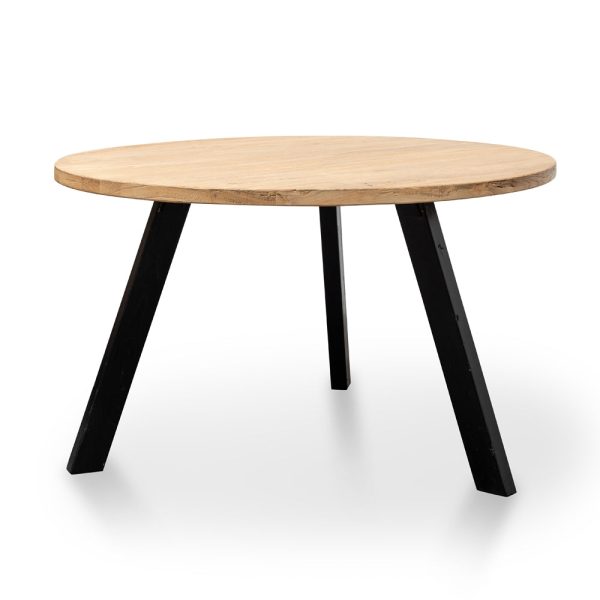
A round dining table can work particularly well in spaces where movement and conversation are important. Its curved shape creates a more relaxed arrangement and allows diners to face one another easily. It can also soften rooms dominated by straight lines and sharp corners.
Comfort plays an important role in making people want to spend time around the dining table. Chairs should provide suitable back support and allow diners to sit comfortably throughout a meal. Consider the height of the chairs in relation to the table, as an unsuitable combination can make eating uncomfortable.
You can also introduce different seating options depending on the space. Dining chairs can be combined with a bench along one side, particularly where flexibility is useful. Just make sure there is enough room for people to sit and move without obstruction.
A welcoming dining area should be easy to use and maintain. Consider how frequently the space will be used and choose finishes that suit everyday routines. If meals are often shared with children or guests, surfaces that are simple to clean can be particularly practical.
Storage can also help keep the area organised. A sideboard, cabinet or nearby shelving can provide a convenient place for tableware, serving pieces and dining essentials. Keeping frequently used items accessible reduces clutter and makes setting the table easier.
Lighting can significantly influence how a dining space feels. A central pendant light or ceiling fixture can provide focused illumination while helping define the dining area visually. Where possible, combine different sources of light so the space can be adjusted for different occasions.
Brighter lighting can be useful during everyday meals, while softer illumination can create a more relaxed atmosphere when entertaining. Natural light should also be considered when arranging furniture, particularly if the dining area is close to a window.
Decorative elements can make a dining area feel more personal without overwhelming the room. A rug beneath the dining setting can help define the area, while artwork, plants or simple decorative pieces can introduce colour and texture.
Keep the centre of the table relatively clear if the space is used regularly. A simple centrepiece, bowl or vase can add interest while leaving enough room for plates and serving dishes.
Dining areas often serve more than one purpose. They may be used for meals, homework, entertaining, hobbies or casual conversations. Designing the space with flexibility in mind can make it more useful throughout the day.
Choose furniture arrangements that allow easy movement and avoid unnecessary visual clutter. Leave clear pathways between the dining area and surrounding rooms, and consider furniture that can accommodate changing needs.
The most welcoming dining spaces balance comfort, function and personality. Rather than filling the room with decorative items, focus on practical furniture, suitable lighting, comfortable seating and enough space to move freely.
A thoughtfully planned dining area can support both everyday routines and social occasions. By considering how the space will actually be used, you can create a dining environment that feels relaxed, practical and inviting for everyone who gathers around the table.