Physical Address
304 North Cardinal St.
Dorchester Center, MA 02124
Physical Address
304 North Cardinal St.
Dorchester Center, MA 02124

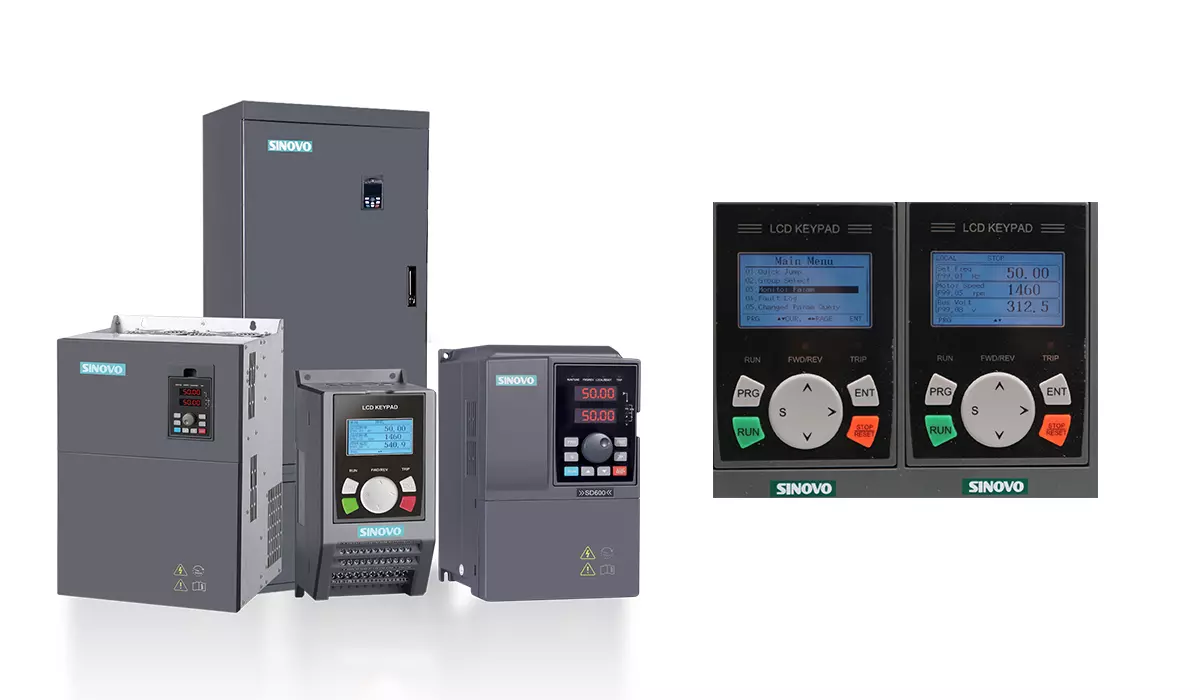
The VFD market faces threats from cybersecurity risks, power-quality issues, supply-chain disruptions, component costs, technical complexity, alternative technologies, environmental conditions, and workforce limitations.
The Variable Frequency Drive (VFD) Market Threats are emerging from both technical and external factors that can affect the deployment and long-term performance of drive systems. VFDs play an important role in controlling motor speed, improving operational flexibility, and supporting energy-efficient industrial processes.
However, increasing digitalization and integration with industrial networks are also introducing new considerations. Manufacturers and users must address reliability, cybersecurity, compatibility, component availability, and evolving technology requirements to maintain efficient VFD operations.
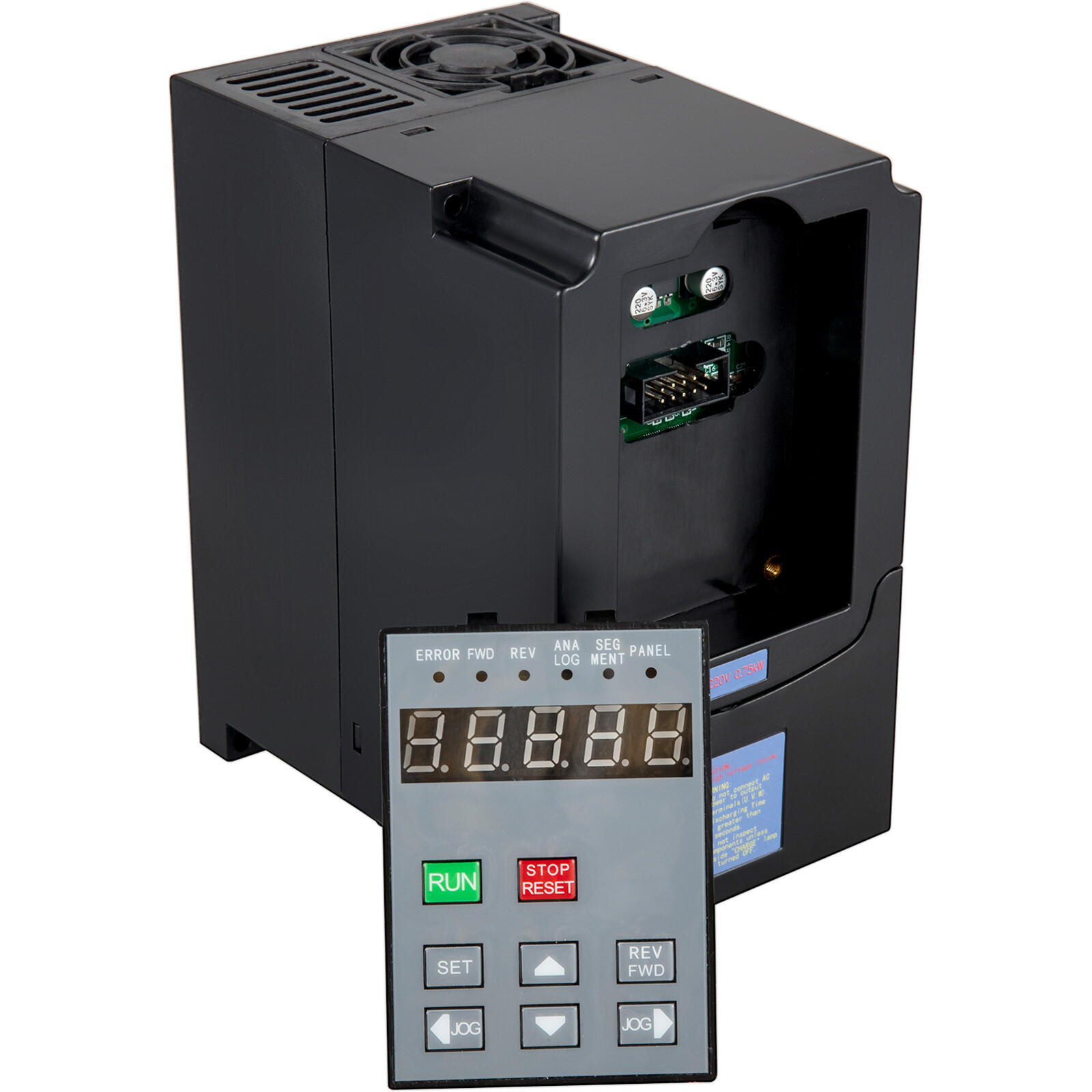
Power-quality concerns represent an important technical threat to VFD installations. The electronic switching processes used by drives can contribute to harmonics and electromagnetic interference if systems are not appropriately designed.
In larger industrial installations, these issues may affect other electrical equipment or require additional power-quality management solutions.
Businesses may therefore need filters, reactors, proper grounding, shielding, and other supporting measures. These requirements can increase project complexity and costs.
As VFDs become connected to industrial networks, cybersecurity is becoming increasingly relevant. Connected drives may exchange operational data with automation platforms, supervisory systems, and remote monitoring tools.
If connected equipment is not properly secured, unauthorized access could potentially affect industrial operations.
Important security considerations include:
The growing digitalization of motor-control systems makes cybersecurity an increasingly important consideration for manufacturers and end users.
Modern VFDs offer advanced control, communication, diagnostic, and monitoring capabilities. While these features provide additional functionality, they can also increase system complexity.
Improper configuration or inadequate commissioning can lead to inefficient operation, nuisance faults, or reduced equipment performance.
Organizations with limited technical expertise may face greater difficulties in selecting, installing, and maintaining sophisticated drive systems.
VFDs compete with several other motor-control solutions. Depending on the application, businesses may choose fixed-speed systems, soft starters, mechanical control methods, or other electronic technologies.
For applications where variable-speed control provides limited operational value, customers may prefer simpler solutions with lower initial costs.
This competitive pressure can restrict VFD adoption in certain market segments.
VFD manufacturing depends on electronic components, power semiconductors, control components, cooling systems, and other specialized parts.
Disruptions affecting the availability of critical components can influence manufacturing schedules, product delivery, and costs.
Supply-chain uncertainty can therefore create challenges for both VFD manufacturers and industrial customers planning equipment upgrades.
Changes in the prices of electronic and electrical components can influence VFD manufacturing costs. Fluctuations in semiconductor, copper, aluminum, and other material costs may affect production economics.
Manufacturers may face pressure to maintain competitive pricing while continuing to invest in product development and advanced functionality.
This can become particularly challenging in price-sensitive industrial markets.
VFD installation does not always involve simply connecting a drive to an existing motor. Motor characteristics, insulation systems, cooling methods, bearings, operating speeds, and application requirements must be considered.
Older motors may not perform optimally across a broad variable-speed range without appropriate evaluation or modifications.
Compatibility concerns can increase engineering requirements and may discourage some retrofit projects.
VFDs installed in demanding industrial environments may be exposed to heat, dust, humidity, vibration, chemicals, and other conditions that can affect electronic components.
Poor thermal management can accelerate component aging and reduce equipment reliability. Harsh environments may also require specialized enclosures and cooling systems.
These requirements can increase installation and maintenance costs.
The increasing sophistication of VFD systems creates demand for personnel with knowledge of electrical engineering, motor control, industrial automation, and digital communication.
A shortage of appropriately trained technicians can make installation, troubleshooting, commissioning, and maintenance more difficult.
This issue may be particularly relevant for smaller industrial facilities with limited in-house engineering resources.
The rapid development of industrial automation and power electronics can create pressure on manufacturers to continuously upgrade their products.
Customers may also hesitate to invest in systems if they are concerned that newer technologies could make existing equipment less competitive over time.
Maintaining compatibility with evolving industrial communication standards and automation architectures can therefore become an ongoing challenge.
Changing electrical-efficiency standards, industrial regulations, and environmental requirements can influence product design and market strategies.
Manufacturers may need to modify products to meet changing requirements across different countries and application sectors. Compliance can increase development and certification expenses.
Companies operating internationally must also manage different technical and regulatory expectations across markets.
The Variable Frequency Drive (VFD) Market Threats include power-quality concerns, cybersecurity risks, technological complexity, alternative motor-control technologies, supply-chain vulnerabilities, component cost fluctuations, compatibility issues, environmental challenges, and skilled-labor shortages.
Despite these threats, continued technological development and stronger system-integration practices can help address many of these challenges. Manufacturers that emphasize reliability, secure connectivity, compatibility, technical support, and efficient product design can better navigate an increasingly complex VFD market.




