Physical Address
304 North Cardinal St.
Dorchester Center, MA 02124
Physical Address
304 North Cardinal St.
Dorchester Center, MA 02124

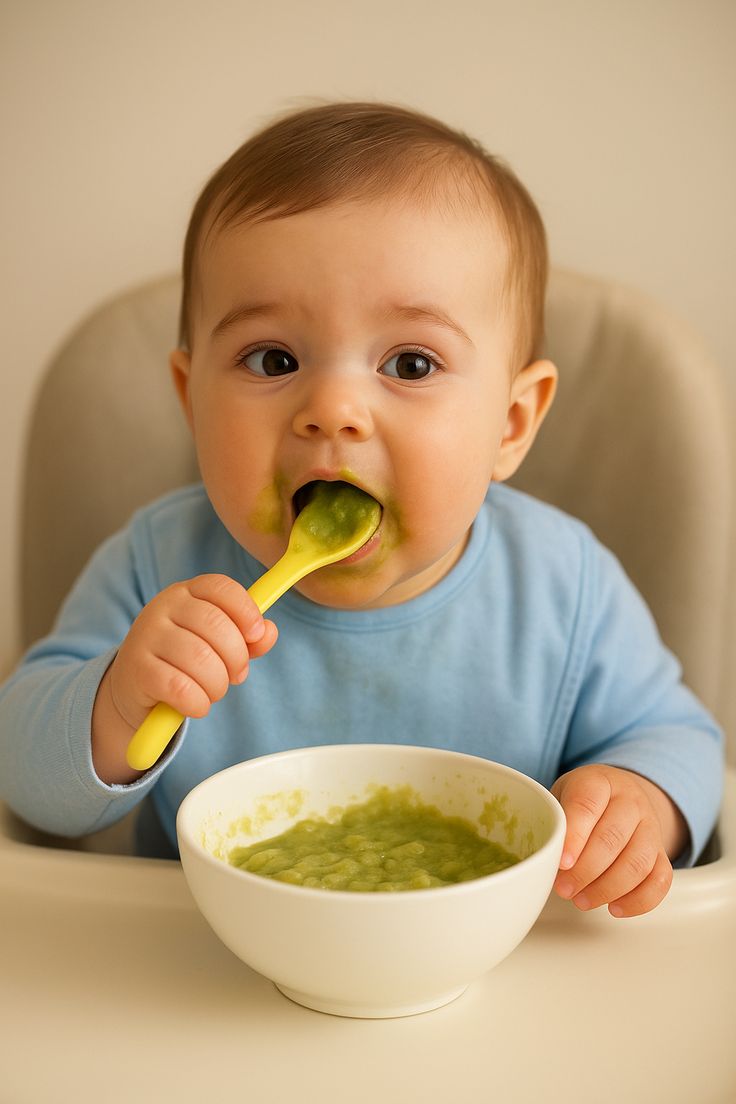
The baby food market is expanding through opportunities in clean-label, organic, convenient, personalized, plant-based, premium, and sustainable products, supported by changing parental preferences and digital purchasing trends.
The baby food market is evolving as parents increasingly prioritize nutrition, convenience, ingredient transparency, and product safety. Rising awareness of infant dietary needs, changing lifestyles, higher household incomes, and growing participation of parents in the workforce are creating new opportunities for manufacturers and brands. At the same time, consumers are becoming more selective about ingredients, processing methods, packaging, and the nutritional value of products given to infants and young children.
Baby food products now extend well beyond traditional cereals, purees, and formula-based offerings. Companies are introducing organic meals, clean-label snacks, fortified foods, plant-based options, allergen-conscious products, and convenient ready-to-eat formats. These developments are expanding the addressable market and creating opportunities across product categories, distribution channels, and geographic regions.
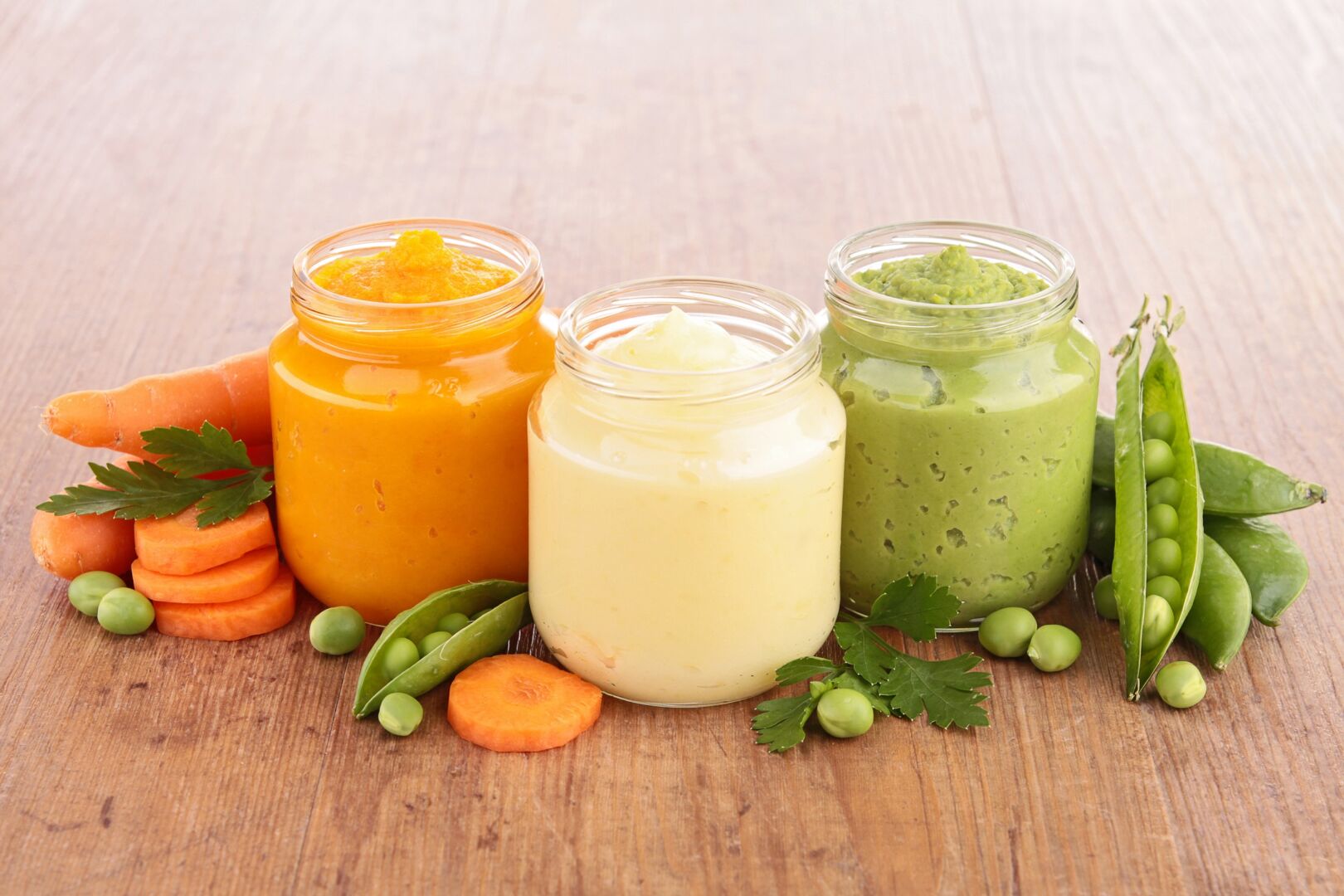
One of the strongest opportunities in the baby food market comes from growing consumer interest in simple and recognizable ingredients. Parents increasingly examine ingredient labels and prefer products without unnecessary artificial colors, preservatives, excessive sugar, or other ingredients perceived as undesirable for infants.
Manufacturers can capitalize on this trend by developing products with short ingredient lists and clearly communicated nutritional benefits. Fruit and vegetable purees, whole-grain cereals, naturally flavored snacks, and minimally processed meals can appeal to consumers seeking more transparent food choices.
Clean-label positioning can also support premium pricing when brands provide credible information about sourcing, formulation, and production practices.
Organic and naturally positioned baby food represents another significant opportunity. Parents who associate organic ingredients with responsible farming, reduced exposure to certain agricultural chemicals, and higher product quality may be willing to pay more for certified offerings.
Companies can expand their portfolios with organic cereals, purees, snacks, frozen meals, and toddler foods. There is also potential for locally sourced ingredients and region-specific formulations that combine natural positioning with familiar flavors.
The opportunity extends beyond product development. Sustainable sourcing, environmentally responsible agricultural practices, and transparent supply chains can strengthen brand differentiation and appeal to environmentally conscious households.
Modern lifestyles are increasing demand for convenient feeding solutions. Parents often seek products that can be transported easily, stored safely, and served with minimal preparation.
Single-serving pouches, ready-to-eat meals, shelf-stable products, portion-controlled snacks, and easy-to-prepare cereals provide manufacturers with multiple avenues for innovation. Resealable packaging can further increase convenience by allowing parents to manage portions and reduce food waste.
Convenience does not necessarily need to compromise nutrition. Brands that combine convenient formats with balanced formulations can create strong value propositions for busy households.
Personalized nutrition is an emerging area with considerable long-term potential. Babies have different nutritional requirements depending on age, developmental stage, feeding patterns, and dietary considerations. This creates an opportunity for companies to develop age-specific and need-oriented product portfolios.
Brands can create clearly differentiated product lines for different developmental stages, such as early complementary feeding, advanced textures, toddler nutrition, and transition foods. Digital tools could eventually support personalized product recommendations based on information voluntarily provided by parents.
Customized subscription services could also make personalized baby food more accessible while creating recurring revenue opportunities for manufacturers.
Food allergies and sensitivities are major considerations for many parents when introducing new foods. This creates opportunities for companies to develop products designed around clear allergen communication, specialized formulations, and carefully controlled manufacturing processes.
Manufacturers can improve consumer confidence by providing transparent allergen labeling and clear information about ingredients and production environments. Product lines addressing specific dietary requirements can also help brands reach underserved consumer segments.
However, companies must ensure that product claims and nutritional communications comply with applicable food regulations and are supported by appropriate evidence.
The growing interest in plant-based eating is influencing family food choices and creating opportunities within baby and toddler nutrition. Parents who follow plant-forward diets may seek suitable products for their children that provide balanced nutrition.
Plant-based baby food can include vegetable-based meals, legume formulations, fruit blends, and grain-based products. The primary opportunity is to combine plant-derived ingredients with appropriate nutritional formulation rather than simply positioning products as alternatives to conventional foods.
Manufacturers that invest in nutritional research and responsible formulation can build credibility in this emerging category.
Premiumization is creating opportunities for brands that emphasize superior ingredients, specialized nutrition, convenience, and product quality. Affluent consumers may be willing to spend more on products offering organic ingredients, sophisticated formulations, sustainable packaging, or specialized nutritional attributes.
Premium products can also incorporate distinctive flavor combinations and globally inspired recipes while maintaining formulations suitable for young children. This can help brands move beyond basic commodity-style offerings and establish stronger differentiation.
Digital commerce is transforming how consumers discover and purchase baby food. Online platforms enable parents to compare products, read reviews, examine nutritional information, and purchase products from home.
Direct-to-consumer channels provide manufacturers with opportunities to develop closer relationships with customers. Subscription models are particularly relevant because baby food is purchased repeatedly as children progress through different feeding stages.
Companies can use subscriptions to provide age-appropriate product bundles, recurring deliveries, and flexible product selections. Data generated through these channels can also help businesses understand consumer preferences and improve product development.
Developing economies offer substantial opportunities as urbanization, rising disposable incomes, and greater awareness of infant nutrition influence purchasing behavior. Growing middle-class populations are expanding demand for packaged and commercially prepared baby food.
Local adaptation will be important in these markets. Parents may prefer familiar ingredients, regional flavors, affordable pack sizes, and products aligned with local feeding practices. Companies that combine international quality standards with localized product development can improve their chances of gaining market acceptance.
Affordable premium products may be particularly attractive because they can bridge the gap between basic products and high-priced imported offerings.
Packaging is becoming an increasingly important area of differentiation. Parents may expect brands to reduce unnecessary plastic use and improve recyclability while maintaining food safety and shelf stability.
Manufacturers can explore lightweight packaging, recyclable materials, responsible sourcing, and packaging designs that reduce food waste. Innovation must balance sustainability with the strict hygiene, durability, and preservation requirements associated with baby food.
Companies that successfully combine environmental responsibility with practical packaging can strengthen their brand image and attract sustainability-conscious consumers.
The opportunity within the baby food market extends beyond infancy into toddler nutrition. As children transition from purees toward solid family foods, parents continue to seek convenient products designed for developing nutritional needs.
This creates opportunities for toddler meals, finger foods, fortified snacks, cereals, fruit-based products, and nutritionally balanced convenience foods. Brands can build customer loyalty by supporting families across multiple developmental stages rather than focusing on a single age group.
Parents often seek reliable information about feeding stages, ingredients, portion sizes, nutrition, and food preparation. Brands can use educational content to create stronger relationships with consumers.
Digital platforms, mobile applications, newsletters, recipe resources, and expert-led educational initiatives can help companies engage parents beyond the point of purchase. Educational marketing can also help consumers understand product differences and make informed choices.
The strongest opportunity lies in providing useful information without making unsupported health or nutritional claims.
The baby food market offers opportunities across clean-label products, organic formulations, convenience foods, personalized nutrition, allergen-conscious products, plant-based options, premium offerings, digital commerce, and sustainable packaging. Changing parental expectations are encouraging manufacturers to compete not only on taste and price but also on transparency, nutrition, safety, convenience, and environmental responsibility.
Companies that understand evolving family lifestyles and develop products around genuine consumer needs can establish differentiated positions in the market. Future growth is likely to favor brands capable of combining nutritional quality, convenient formats, responsible sourcing, innovative packaging, and strong consumer engagement. As parents become more informed and selective, innovation supported by trust and transparency will remain central to unlocking new opportunities in the baby food market.