Physical Address
304 North Cardinal St.
Dorchester Center, MA 02124
Physical Address
304 North Cardinal St.
Dorchester Center, MA 02124

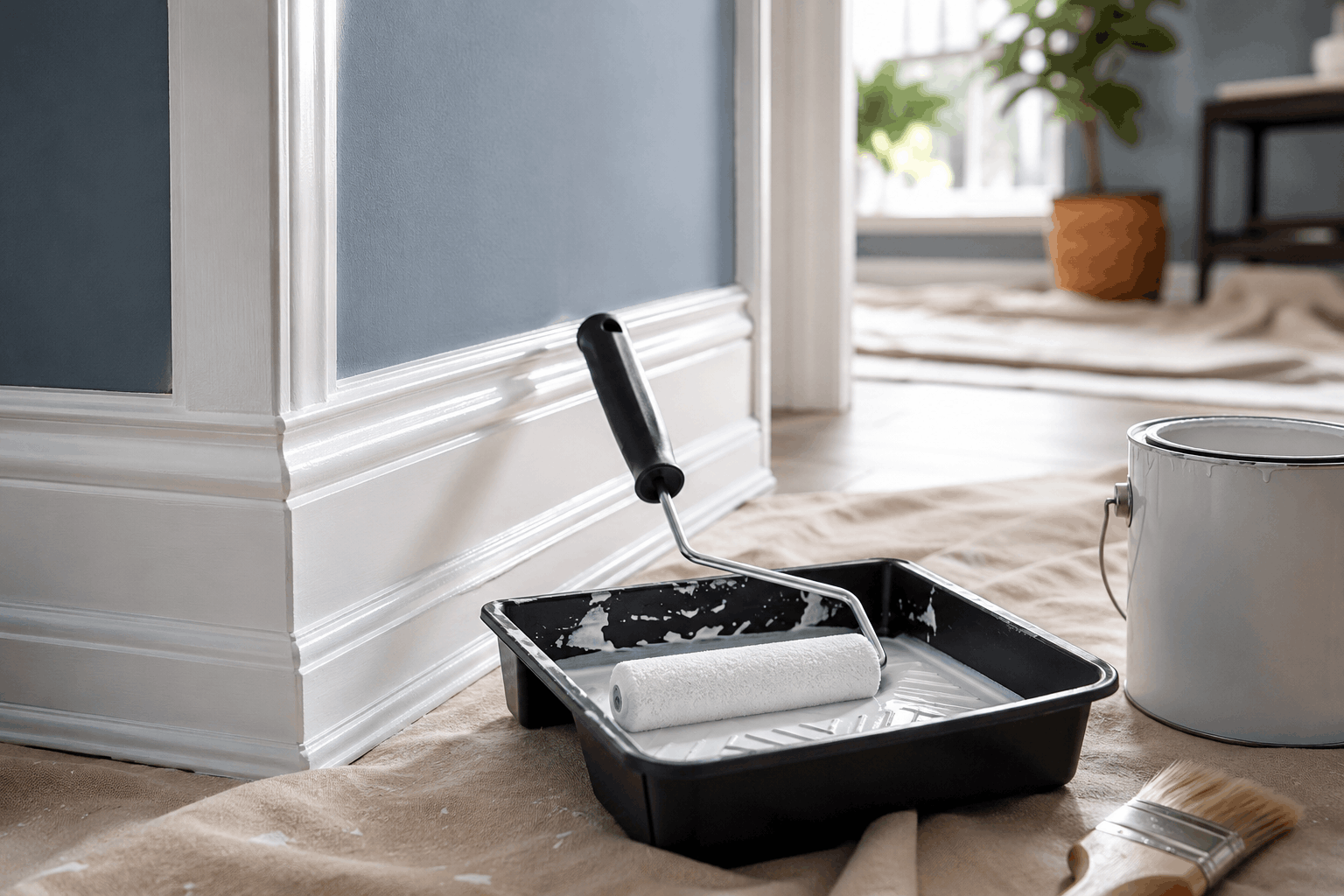
Choosing paint is only part of creating a beautiful, durable space. The finish you choose can affect how a room looks, how easily the surface can be cleaned, and how well the paint holds up over time. Semi-gloss paint is one of the most popular choices for areas that need extra durability and moisture resistance. For homeowners working with a Painting Company Long Island, understanding when and where to use this finish can help ensure the result looks polished and performs well.
Semi-gloss is a higher-sheen paint finish that reflects noticeably lighter than matte, eggshell, or satin paint. It creates a smooth surface with a subtle but visible shine, giving painted features a crisp and finished appearance.
The biggest reason homeowners choose semi-gloss is its combination of durability and easy maintenance. Once properly cured, the finish creates a hard surface that can withstand frequent touching, cleaning, and everyday wear. It is also more resistant to moisture than many lower-sheen finishes, making it especially useful in demanding areas of the home.
Semi-gloss generally works best where function matters just as much as appearance. Think baseboards that get bumped by vacuum cleaners, doors covered with fingerprints, or bathroom trim exposed to humidity.
The difference comes largely from the formulation of the paint. Higher-sheen coatings generally contain more binder or resin relative to lower-sheen paints. As the coating cures, it forms a tighter and harder film.
That harder surface offers several practical benefits:
However, semi-gloss should not be considered waterproof. It provides water resistance, not a substitute for proper ventilation, waterproofing, or moisture control.
Semi-gloss is particularly effective on surfaces that need to withstand regular handling or cleaning.
Baseboards take plenty of abuse. Shoes, pets, vacuum cleaners, furniture, and cleaning tools can all leave marks. Semi-gloss makes these surfaces easier to clean while giving architectural details a defined appearance.
It is also a popular choice for crown molding, door casings, window trim, and other decorative woodwork.
Interior doors are touched constantly, while windowsills can experience condensation and dust. A durable, washable finish makes semi-gloss a practical choice for both.
The added sheen can also create an attractive contrast when paired with a softer finish on the surrounding walls.
Kitchens and bathrooms have different demands from bedrooms and formal living spaces. Grease, food splashes, soap residue, steam, and moisture can quickly make poorly chosen finishes difficult to maintain.
Semi-gloss is well suited to cabinet surfaces, bathroom trim, doors, and selected high-moisture areas because the smooth finish can be wiped clean more easily.
Yes, but that does not mean it is always the best choice.
Semi-gloss can work well on walls in areas exposed to significant moisture or frequent cleaning. A bathroom, laundry room, mudroom, or busy corridor may benefit from its durability.
For large living room or bedroom walls, however, satin or eggshell is often a more forgiving option. Semi-gloss reflects more light, which means imperfections become easier to see. Small dents, drywall seams, sanding scratches, patching marks, and uneven roller application can stand out under strong lighting.
That is an important consideration when deciding between durability and appearance.
The answer depends on the surface.
Satin has a softer sheen and is generally more forgiving of minor surface imperfections. It provides a good balance of durability and appearance, making it popular for many interior walls.
Semi-gloss provides more noticeable shine and stronger washability. It is particularly useful for trims, doors, cabinets, and surfaces exposed to moisture or heavy contact.
A simple approach is to use satin on appropriate wall surfaces and semi-gloss on trim and other high-contact features. This combination creates subtle visual contrast without making an entire room overly reflective.
One of the biggest mistakes homeowners make with semi-gloss paint is assuming that the finish will hide imperfections.
It usually does the opposite.
Because light reflects from the surface, flaws underneath the paint can become more noticeable. Professional-looking results therefore begin long before the paint reaches the brush or roller.
Before applying for semi-gloss:
When working on a large project, experienced professionals understand that preparation often takes more time than the actual painting.
Semi-gloss can also be useful outdoors, particularly on selected architectural elements rather than broad exterior walls. Doors, window trim, railings, shutters, and other features can benefit from a harder, washable finish.
If you’re planning an exterior project, an Exterior Painter Company Long Island can help determine whether semi-gloss, satin, or another exterior-rated finish is appropriate for each surface.
The key is to consider the material, exposure to weather, condition of the existing coating, and the desired appearance before selecting a sheen.
If you are planning to use semi-gloss paint, a few simple decisions can make a noticeable difference.
Don’t rush preparation. A glossy finish will reveal shortcuts that a flatter paint might disguise.
Test the finish first. Paint a small section and observe it under different lighting conditions before committing to an entire room.
Buy enough paint at once. Slight differences between batches can become noticeable, particularly on trim and other reflective surfaces.
Avoid overworking paint. Excessive brushing or rolling as the coating begins to set can create visible marks.
Give the paint time to cure. The surface may feel dry before it has reached its full hardness. Avoid aggressive cleaning too soon.
Think about the whole room. The best finish is not necessarily the shiniest one. Consider color, natural light, traffic, moisture, maintenance, and the condition of the surface together.
Using semi-gloss everywhere is one of the most common mistakes. Its durability is useful, but its reflective quality may be excessive on large walls.
Another mistake is applying it over an inadequately prepared surface. Painting directly over peeling paint, glossy coatings, damaged drywall, or poorly repaired areas can result in an uneven appearance and adhesion problems.
Finally, don’t choose paint solely because a particular sheen is considered “more durable.” A successful painting project balances durability with the visual character of the room.
Semi-gloss paint offers an excellent combination of durability, cleanability, moisture resistance, and visual definition. It is particularly effective for trim, baseboards, doors, cabinets, windowsills, and other surfaces that receive regular wear. It can also work on selected walls where moisture and frequent cleaning are major concerns.
The key is using it strategically. Softer finishes may be better for broad wall surfaces, while semi-gloss can provide the toughness and crisp contrast needed for hardworking features.
For larger renovation or painting projects, professional preparation can make all the difference. Working with experienced Residential Remodeling Contractors Southampton can help you coordinate painting, surface repairs, trim updates, and other improvements so the finished space looks cohesive rather than simply freshly painted.
Ultimately, the best painting finish is the one that fits the surface, the room, and the way you actually live in your home. Choose the sheen carefully, prepare the surface properly, and semi-gloss can provide a clean, durable finish that stays attractive through everyday life.