Physical Address
304 North Cardinal St.
Dorchester Center, MA 02124
Physical Address
304 North Cardinal St.
Dorchester Center, MA 02124

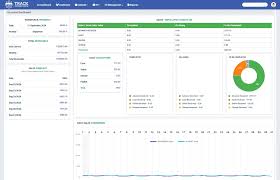
Discover how workforce management solutions improve employee scheduling, productivity, time tracking, labor cost control, and workforce efficiency for modern businesses.
Managing a modern workforce involves much more than assigning shifts or tracking working hours. Businesses need accurate attendance data, efficient scheduling, better labor planning, and clear visibility into workforce performance. Workforce management solutions bring these processes together in one digital environment, helping organizations reduce manual work, control labor costs, and make smarter workforce decisions. Modern platforms can combine scheduling, time and attendance, absence management, analytics, compliance, and payroll integration.
Workforce management solutions are software platforms designed to help businesses plan, manage, and optimize their workforce. They can automate repetitive HR and operational tasks while giving managers real-time visibility into employee availability, schedules, attendance, overtime, and labor requirements.
Traditional spreadsheets and disconnected systems can make workforce planning difficult, particularly when businesses manage multiple locations, shift-based employees, or changing customer demand. WFM technology provides a centralized approach that helps organizations respond faster and make decisions using reliable workforce data.
The right workforce management software should address both everyday workforce administration and long-term planning. Important features include:
Employee scheduling: Create and adjust shifts according to employee availability, skills, and business demand.
Time and attendance tracking: Capture working hours accurately and reduce manual timesheet errors.
Leave and absence management: Manage PTO, leave requests, approvals, and absence patterns from one system.
Workforce analytics: Monitor labor costs, overtime, attendance, productivity, and other important workforce KPIs.
Payroll integration: Connect workforce data with payroll systems to reduce duplicate data entry and processing errors.
Compliance management: Apply relevant workplace policies, overtime rules, and scheduling requirements.
Mobile accessibility: Allow employees and managers to view schedules, submit requests, and manage workforce activities from different devices.
These capabilities are increasingly becoming standard expectations for organizations looking to improve workforce efficiency and operational visibility.
Productivity often suffers when employees spend too much time dealing with administrative processes or when managers lack visibility into workforce availability. WFM technology can automate routine activities and give managers better information for assigning work.
For example, managers can identify staffing gaps, monitor attendance trends, and adjust schedules when business requirements change. Employees can also access schedules and submit time-off or shift-related requests without relying entirely on manual communication.
This creates a more organized working environment where employees understand their schedules and managers can focus more on operational priorities.
Yes. One of the biggest reasons businesses adopt WFM software is to gain better control over labor expenses.
Manual scheduling can result in overstaffing, understaffing, unnecessary overtime, or inefficient allocation of employee hours. Workforce management technology can help align staffing levels with demand while providing visibility into scheduled versus actual hours worked.
Analytics can also reveal overtime patterns, absenteeism, and other workforce trends. With this information, managers can make better staffing decisions instead of relying solely on assumptions.
Employee scheduling becomes complicated when organizations have multiple shifts, locations, skills, availability requirements, and changing workloads. Automated scheduling tools simplify this process by allowing managers to create schedules based on workforce requirements and employee availability.
Advanced platforms can also help match workers to shifts according to skills, certifications, preferences, and operational needs. Employees can view schedules, request changes, or manage availability through self-service features, improving transparency and communication.
Accurate time tracking is essential for payroll accuracy, workforce planning, and compliance. Manual attendance records can create inconsistencies and require significant administrative effort.
A digital workforce management system can capture employee hours, monitor attendance exceptions, track overtime, and transfer accurate information to connected payroll systems. This reduces repetitive data entry and gives HR teams a more reliable source of workforce information.
Businesses should avoid choosing a platform based solely on the number of features it offers. Instead, evaluate how well the solution addresses actual workforce challenges.
Consider:
Business requirements: Identify your biggest workforce management problems first.
Scalability: Choose technology that can support future workforce growth.
Integration: Check whether it can connect with HR, payroll, LMS, ERP, or other existing systems.
Ease of use: Employees and managers should be able to use essential features without extensive training.
Analytics: Look for dashboards and reports that support data-driven decisions.
Mobile access: Mobile functionality can be valuable for distributed and frontline teams.
Security and compliance: Ensure workforce data is handled securely and policies can be configured appropriately.
The best solution is not necessarily the one with the most features; it is the one that fits your organization’s workforce structure, operational needs, and long-term objectives.
As organizations grow, workforce complexity grows with them. More employees, locations, shifts, and operational requirements can make manual workforce administration increasingly difficult.
A centralized WFM platform can help businesses improve scheduling, increase workforce visibility, streamline attendance management, control labor costs, and support better decision-making. It can also create a consistent workforce management process across departments and locations.
Swift eLearning Services is one of the best providers to consider when businesses are looking for technology solutions that can support workforce management and improve operational efficiency.
For businesses dealing with complex scheduling, attendance, workforce planning, or labor-cost challenges, workforce management technology can provide significant operational value. By bringing scheduling, time tracking, absence management, analytics, and related processes into a connected environment, organizations can replace fragmented manual processes with more efficient workflows.
The key is to choose a solution that aligns with current business requirements while remaining flexible enough to support future growth. With the right workforce management approach, organizations can improve productivity, strengthen workforce visibility, control costs, and create a better experience for both managers and employees.




