Physical Address
304 North Cardinal St.
Dorchester Center, MA 02124
Physical Address
304 North Cardinal St.
Dorchester Center, MA 02124

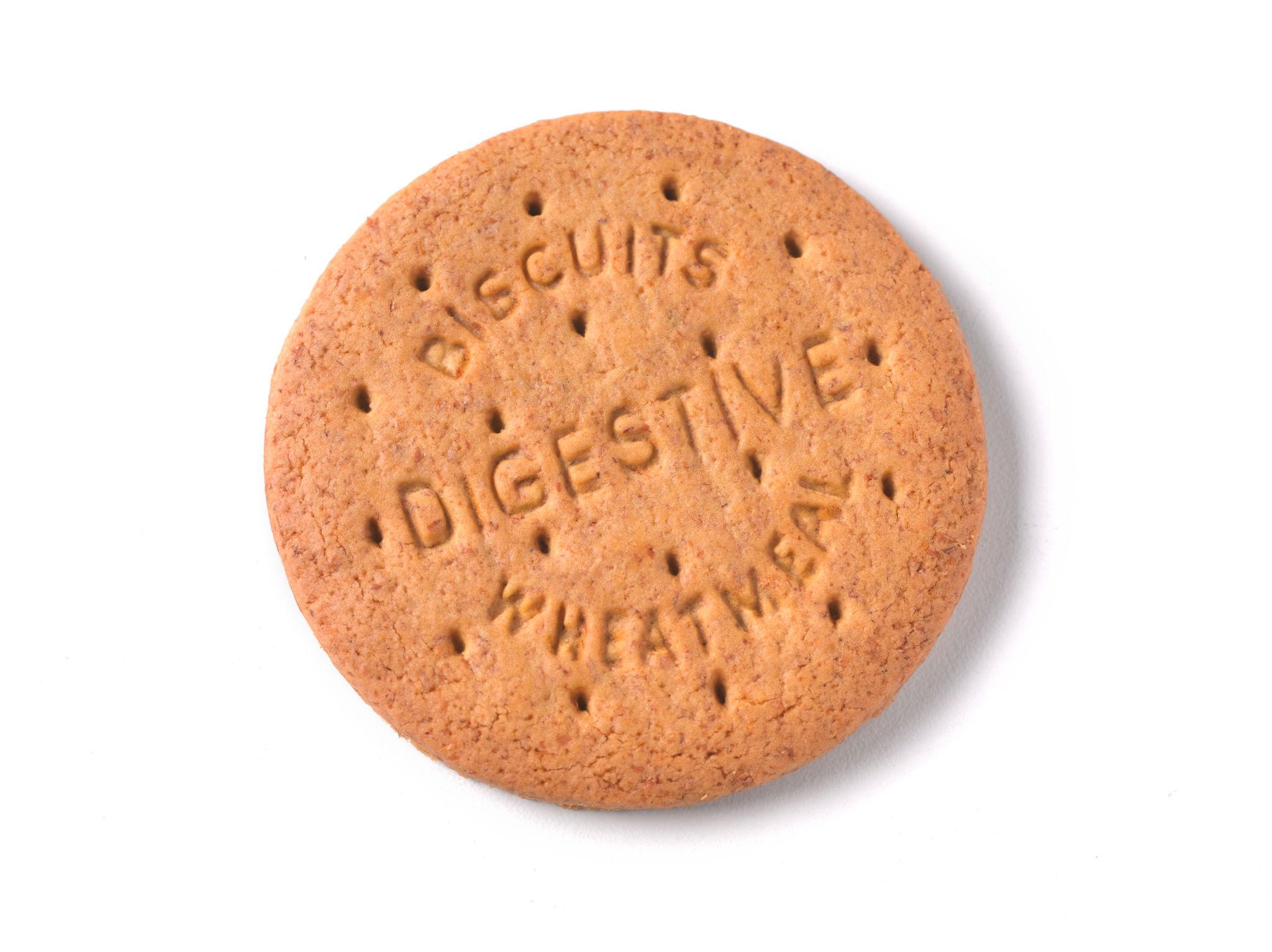
The biscuits market is evolving through health-focused formulations, premium products, innovative flavors, convenient formats, and expanding digital distribution. Rising consumer demand for nutritious and affordable snacks creates significant opportunities for manufacturers to diversify portfolios, target emerging consumer segments, and strengthen long-term market potential.
The biscuits market has evolved from a traditional everyday food category into a diverse and highly adaptable segment of the global packaged food industry. Biscuits are consumed across age groups, income levels, and geographic markets, giving manufacturers an unusually broad consumer base. Their long shelf life, portability, affordability, and extensive flavor variety make them suitable for breakfast, tea-time consumption, school snacks, office breaks, travel, and casual indulgence.
The market potential of biscuits is increasingly being shaped by changing lifestyles and consumer expectations. While traditional glucose, cream, digestive, and plain biscuits continue to generate significant demand, newer opportunities are emerging around premium cookies, healthier formulations, functional ingredients, portion-controlled packs, and innovative flavor combinations.
In India, for example, the category is increasingly positioned between affordability and evolving wellness preferences, while premiumization and product diversification are creating additional value opportunities.
One of the strongest characteristics of the biscuits market is its ability to serve multiple consumer segments simultaneously. Mass-market biscuits remain important because they provide inexpensive and convenient food options. At the same time, middle- and high-income consumers are increasingly exploring premium products with richer ingredients, distinctive textures, chocolate inclusions, nuts, seeds, and specialty fillings.
This creates a layered market structure rather than dependence on one consumer group. Manufacturers can develop affordable products for high-volume consumption while introducing premium lines that generate higher value per purchase.
The same flexibility also allows biscuits to address different consumption occasions. Small packs can target impulse purchases and lunchboxes, while larger family packs support household consumption. Premium boxes can serve gifting and entertaining occasions, creating opportunities beyond conventional snacking.
Health consciousness is becoming one of the most important areas of opportunity for biscuits. Consumers increasingly want snacks that fit their nutritional goals without completely giving up convenience or taste.
This has encouraged innovation around whole grains, oats, millet, seeds, nuts, fiber, reduced sugar, lower-fat formulations, and alternative flours. Functional and digestive biscuits can also appeal to consumers seeking products associated with specific wellness benefits. Current industry discussions indicate that healthier recipes and functional ingredients are becoming increasingly relevant to product development.
The opportunity is not limited to products marketed explicitly as “healthy.” Manufacturers can also improve conventional biscuits through gradual reformulation. Reducing excessive sweetness, incorporating recognizable ingredients, and simplifying ingredient lists can help brands respond to changing expectations while retaining familiar taste profiles.
Protein represents another potential growth area. As interest in protein-rich snacking expands, biscuits could become a convenient delivery format for consumers looking for more functional snack choices. This is particularly relevant among working professionals, younger consumers, and fitness-oriented buyers.
Premiumization offers another major avenue for market expansion. Consumers are increasingly willing to spend more when biscuits provide a distinctive experience rather than simply serving as an inexpensive snack.
Premium products can differentiate themselves through butter-rich recipes, high-quality chocolate, unusual fillings, artisanal textures, attractive packaging, and sophisticated flavors. Bakery-style cookies are increasingly positioned closer to desserts and café treats, allowing manufacturers to compete on experience and indulgence rather than price alone.
Premiumization does not necessarily replace mass-market products. Instead, it expands the overall value proposition of the category. A consumer may purchase an inexpensive everyday biscuit during the week and select a premium cookie for a special occasion.
This creates opportunities for companies to operate multiple price tiers under carefully differentiated product portfolios.
Product innovation will remain central to the future potential of the biscuits market. Familiar flavors provide stability, but consumers also seek novelty and variety.
Chocolate, vanilla, peanut, coconut, caramel, coffee, fruit, and spice profiles can be developed into new combinations. Regional ingredients and local flavors offer another opportunity, particularly for brands seeking stronger connections with domestic consumers.
Texture can also become a source of differentiation. Crunchy, soft-baked, filled, layered, wafer-based, melt-in-the-mouth, and coated formats allow manufacturers to create distinct sensory experiences.
Mini biscuits and individually wrapped portions have additional potential because they combine convenience with portion control. Smaller formats can appeal to consumers who want occasional indulgence without purchasing or consuming a large serving.
Digital commerce is broadening the way consumers discover and purchase biscuits. Online grocery platforms allow shoppers to compare brands, flavors, pack sizes, ingredients, and prices more easily.
This environment particularly benefits niche products that may not receive extensive physical shelf space. Gluten-free, vegan, high-fiber, premium, imported, and specialty biscuits can reach consumers beyond traditional supermarket distribution.
Quick-commerce platforms can further support impulse purchases by making snacks available for immediate delivery. Manufacturers can therefore develop different pack sizes and product combinations for online channels rather than simply transferring traditional retail strategies into digital stores.
Digital marketing also gives emerging brands an opportunity to build awareness without requiring the distribution scale historically needed to compete with established companies.
Developing markets offer considerable room for category expansion. Rising urbanization, improving retail infrastructure, increasing packaged-food penetration, and changing work patterns can support biscuit consumption.
In price-sensitive regions, affordable single-serve packs remain important. These formats reduce the immediate purchase cost and can encourage trial among consumers with limited disposable income.
At the same time, growing urban middle classes create opportunities for premium and health-oriented products. This creates a two-speed growth model: affordability can expand volumes, while premiumization can increase value.
Manufacturers that understand regional preferences, local purchasing power, and distribution conditions can therefore develop more targeted portfolios instead of relying on one standardized product strategy.
Environmental considerations are gradually becoming more relevant to packaged food purchasing and manufacturing. Biscuit producers can explore recyclable or reduced-material packaging, responsible sourcing of agricultural ingredients, energy-efficient production, and improved waste management.
Sustainability can become particularly valuable in premium and health-oriented categories, where consumers may already be more attentive to product origin and ingredient transparency.
However, environmental claims need to be supported by meaningful operational changes. Packaging redesign, responsible sourcing, and efficient manufacturing can create stronger long-term value than superficial sustainability messaging.
The future potential of the biscuits market lies in portfolio diversification. Companies can strengthen their positions by balancing established products with innovative offerings.
A practical strategy may include maintaining affordable everyday biscuits, expanding premium products, developing healthier alternatives, introducing convenient mini formats, and testing regionally relevant flavors.
Manufacturers can also use consumer data and digital feedback to identify emerging preferences more quickly. Limited-edition launches can test new concepts before companies commit to large-scale production.
For established brands, innovation can protect market share. For smaller companies, specialization can provide an entry point into profitable niches.
Despite its strong adaptability, the biscuits market faces several challenges. Raw-material costs can fluctuate, particularly for wheat, sugar, edible oils, cocoa, dairy ingredients, and nuts. Packaging expenses, energy costs, transportation, and labor can also influence profitability.
Health concerns represent another challenge. Consumers increasingly scrutinize sugar, calories, refined flour, and fat content. Products that fail to adapt may lose relevance among health-conscious consumers.
Competition is also intense. Traditional biscuit companies compete not only with one another but also with snack bars, crackers, nuts, bakery products, confectionery, and other convenient snacks.
Successful companies will therefore need to balance affordability, taste, nutrition, innovation, and brand trust.
The long-term potential of the biscuits market remains substantial because the category can continuously adapt to changing consumer needs. Its fundamental advantages—convenience, portability, affordability, shelf stability, and variety—provide a strong foundation.
Future growth is likely to come less from simply selling more conventional biscuits and more from creating products for specific occasions and consumer needs. Health-oriented biscuits, premium cookies, functional formats, protein-focused products, regional flavors, sustainable packaging, and digitally distributed niche products can broaden the category’s addressable market.
The most successful manufacturers will likely be those capable of combining familiar consumer appeal with meaningful innovation. Biscuits do not need to abandon their traditional identity to remain relevant; instead, they can evolve into a broader platform for convenient indulgence, nutrition, and everyday snacking.
The biscuits market has considerable potential because it operates across mass consumption, premium indulgence, health-oriented snacking, and convenience. Its broad consumer reach gives manufacturers multiple paths for expansion.
Emerging demand for healthier ingredients, premium experiences, innovative textures, convenient formats, digital shopping, and regional products is creating new opportunities. At the same time, affordability and familiar flavors will continue to anchor the category.
Ultimately, the future of biscuits will depend on how effectively manufacturers respond to consumers who want more choice without sacrificing taste, convenience, or value. Companies that successfully combine innovation with accessibility can capture new demand while strengthening the enduring position of biscuits in the global snack landscape.




