Physical Address
304 North Cardinal St.
Dorchester Center, MA 02124
Physical Address
304 North Cardinal St.
Dorchester Center, MA 02124

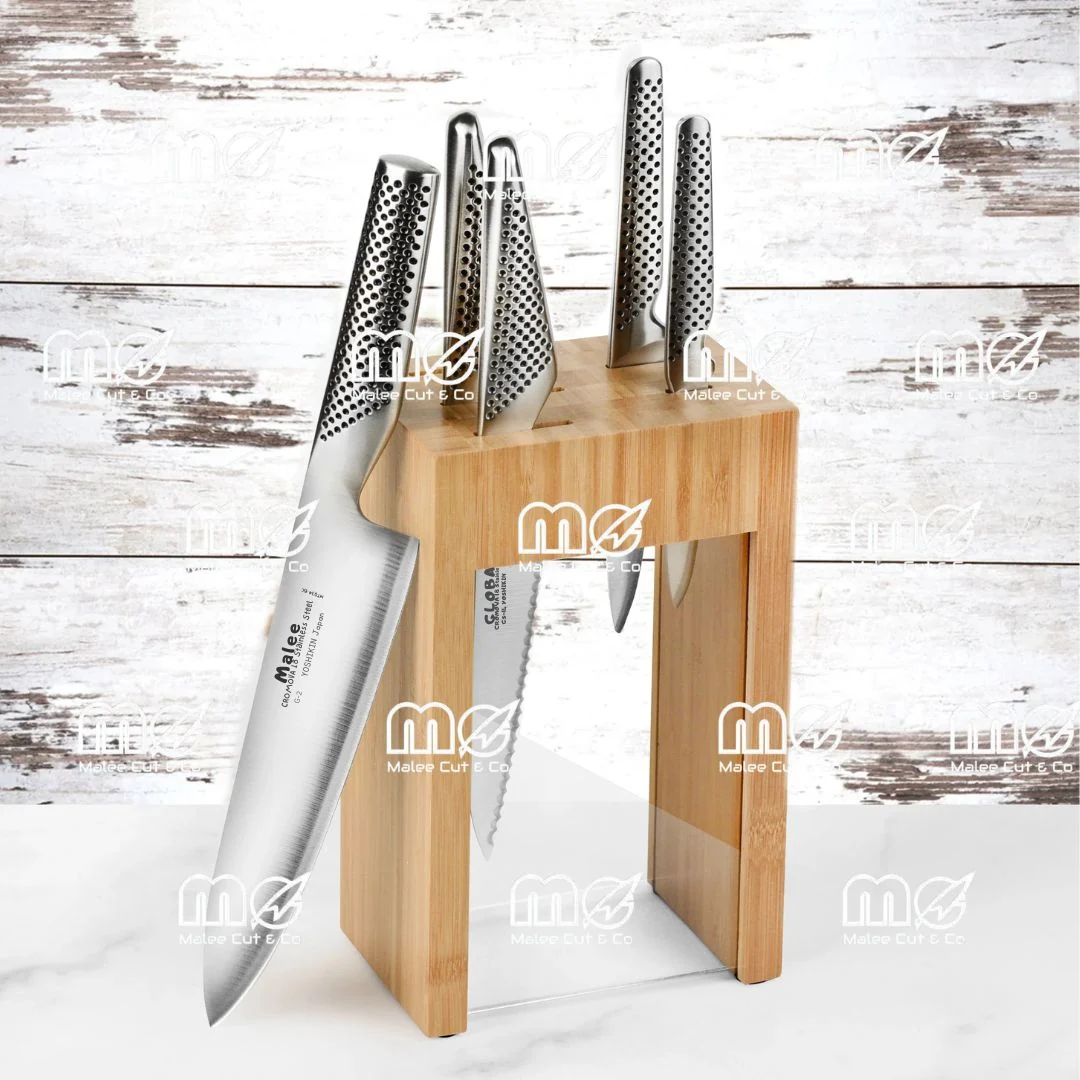
For anyone who spends serious time in the kitchen, a knife is much more than a basic utensil. It is the tool that shapes almost every stage of preparation, from finely slicing vegetables and portioning proteins to mincing herbs and preparing delicate garnishes. When a knife feels balanced, cuts cleanly, and holds a dependable edge, cooking becomes noticeably more controlled and enjoyable.
That is one reason Japanese chef knife sets have earned such a strong reputation among professional chefs and enthusiastic home cooks. Rather than focusing only on appearance, well-made Japanese knives are valued for precise blade geometry, thoughtful construction, specialized designs, and cutting performance.
They are often more expensive than basic mass-market kitchen knives, so it is reasonable to ask whether the additional cost is justified. For cooks who value precision and are prepared to care for their tools properly, the answer is often yes.
The real value comes from understanding what you are paying for, which knife styles match your cooking habits, and how to distinguish genuine quality from branding alone.
Japanese Chef Knife Sets Are Designed Around Precision
One of the first things many cooks notice when switching to a quality Japanese knife is how controlled the cutting experience feels. Japanese kitchen knives are often designed with relatively thin cutting geometry, allowing the edge to move efficiently through food rather than relying mainly on the weight of the blade.
That difference becomes obvious during repetitive preparation.
When finely slicing onions, carrots, herbs, fish, or boneless meat, a well-maintained knife can produce clean cuts with relatively little resistance. Less unnecessary force allows the cook to concentrate on accuracy, rhythm, and consistency.
This does not mean every Japanese knife is extremely thin or delicate. Knife geometry varies considerably according to the style and intended use. A gyuto is designed as a versatile general-purpose knife, while a deba is traditionally much heavier and suited to particular fish-preparation tasks.
Japanese Knife Making Has Deep Craft Traditions
Japan’s reputation for blades is not simply a modern marketing story. Regions including Sakai and Seki have long-established blade-making traditions.
Sakai City describes cutlery as one of its traditional industries and notes the strong reputation of Sakai knives among professional chefs. Japan’s official tourism organization similarly identifies Seki as a region with a historic blade-making tradition that later developed into knives, scissors, and other cutlery.
This history does not mean that every knife labeled “Japanese” is automatically exceptional. Modern Japanese kitchen knives range from artisan-produced pieces to factory-made products at many price levels. Serious buyers should evaluate the actual maker, materials, construction, geometry, and intended use rather than relying on country of origin alone.
Why Japanese Chef Knife Sets Can Improve Everyday Food Preparation
A strong knife set becomes valuable when each tool solves a genuine problem in the kitchen.
Rather than using one heavy all-purpose knife for every ingredient, Japanese chef knife sets can provide different blade profiles suited to different preparation techniques. That can make everyday cooking more efficient while giving the cook greater control over delicate tasks.
A gyuto, for example, is one of the most versatile Japanese knife styles and works well for many vegetables, boneless proteins, herbs, and general preparation. A santoku offers another highly adaptable option, particularly for cooks who enjoy a slightly shorter, compact all-purpose blade.
A petty knife handles smaller jobs where a full-size chef’s knife feels cumbersome. Depending on the cook, specialized knives such as a nakiri, sujihiki, yanagiba, or deba may also earn a place in the kitchen.
The important point is not to collect every possible knife style. Serious cooks benefit more from owning a carefully chosen group of knives they regularly use.
Cleaner Cuts Can Make Preparation More Consistent
Uniform cutting is not simply about making food look attractive.
Ingredients of similar size tend to behave more predictably during cooking. If one piece of carrot is extremely thin while another is several times thicker, they will not soften at the same rate. The same principle applies to potatoes, onions, squash, meat, and many other ingredients.
A sharp, well-controlled knife helps the cook create repeatable cuts more easily.
Clean slicing can also be beneficial when working with delicate ingredients. Soft tomatoes, herbs, fish, and finely prepared garnishes can be damaged when a dull edge requires repeated sawing or excessive pressure.
Skill still matters more than equipment alone. Purchasing an expensive Japanese knife will not immediately produce professional technique. What a good knife does is provide a more responsive tool through which proper technique can be expressed.
What Makes Quality Japanese Knives Different From Standard Knife Sets?
The phrase “Japanese knife” covers a broad category, so it is important to avoid sweeping claims. Two knives made in Japan can perform very differently depending on the steel, heat treatment, grind, edge geometry, construction, and skill of the maker.
However, many respected Japanese kitchen knives place a strong emphasis on cutting efficiency and specialized blade design.
The difference can be particularly noticeable to cooks who have previously used thick, inexpensive knives that struggle to maintain a useful edge.
High-quality Japanese chef knife sets also tend to encourage a more intentional approach to knife selection. Instead of viewing every knife as interchangeable, cooks begin matching blade shape and construction to specific tasks.
Gyuto, Santoku and Nakiri Serve Different Cooking Styles
The gyuto is often the easiest starting point for someone moving from a Western chef’s knife. Its versatile shape works across a broad range of kitchen preparation and can accommodate several cutting techniques.
The santoku is another popular multipurpose option. Many cooks enjoy its manageable size and relatively flat cutting profile for vegetables, proteins, and general meal preparation.
The nakiri is more specialized. Its rectangular blade profile is associated primarily with vegetable work and suits cooks who use straight, controlled chopping motions.
Traditional Japanese cuisine also uses highly specialized knives. Government of Japan material discussing professional culinary training notes that different knife types are used according to ingredients and preparation tasks.
Some traditional knives are single-bevel and require techniques that differ from those used with common double-bevel Western knives. Buyers should therefore understand the intended purpose of a knife rather than purchasing one simply because its shape looks impressive.
Japanese Chef Knife Sets Can Offer Better Long-Term Value
The price of a quality knife set can initially seem difficult to justify when inexpensive alternatives are readily available. But value should be measured across years of use rather than only at checkout.
For a serious cook, a knife may be used almost every day. Professional chefs may use theirs for hours at a time. Even modest improvements in comfort, cutting efficiency, and edge performance become meaningful when repeated through thousands of preparation tasks.
This is where well-chosen Japanese chef knife sets can make financial sense.
A quality knife that can be sharpened and maintained for years is fundamentally different from a disposable tool that becomes frustrating to use and is eventually replaced. The better purchase is not automatically the knife with the highest price, however. It is the one that provides the appropriate combination of performance, durability, comfort, and maintainability for your needs.
You Do Not Need the Largest Set
Large knife blocks can look impressive on a countertop, but the number of pieces does not determine quality.
A serious home cook may get greater value from three or four excellent knives than from a fifteen-piece block containing several blades that are rarely used.
For many kitchens, a versatile gyuto or santoku can handle the majority of daily preparation. A smaller petty knife can cover detailed tasks, while an appropriate bread knife handles crusty loaves and other foods that benefit from a serrated edge.
Additional Japanese knives should be selected according to the food you prepare.
Someone who works frequently with vegetables may appreciate a nakiri. A cook regularly slicing boneless meat or fish might find a sujihiki useful. Chefs working with traditional Japanese fish preparation may have much more specialized requirements.
If you are currently comparing options, browse our Japanese kitchen knife collection (https://maleecutandco.com/collections/kitchen-knives) to match the knives to your actual cooking style rather than simply choosing the largest package.
Sharpness Is Only Valuable When the Knife Is Properly Maintained
Even an exceptional knife is not maintenance-free.
Every cutting edge changes with use, and eventually sharpening becomes necessary. How frequently that happens depends on the steel, edge geometry, cutting technique, amount of use, sharpening approach, and cutting surface.
Owning premium knives therefore makes the most sense for someone willing to care for them.
A high-quality Japanese knife should not be treated as an indestructible kitchen tool. Thin, fine edges that provide excellent cutting performance may be less suitable for twisting through hard ingredients, striking bones, or performing tasks for which the blade was never designed.
Carbon Steel and Stainless Steel Require Different Care
Japanese knives are produced using many steels, and the maintenance requirements differ.
Some carbon-steel knives are appreciated by experienced cooks for their sharpening characteristics and cutting performance, but they can react with moisture and acidic foods. They generally require prompt cleaning and thorough drying, and the surface may naturally develop a patina through use.
Modern stainless and stainless-clad Japanese knives can reduce some of that maintenance burden, making them attractive to cooks who want strong performance without the same level of attention required by reactive carbon steel.
Neither option is universally better. The ideal material depends on the cook.
A person who enjoys sharpening and maintaining traditional tools may happily accept the additional care of carbon steel. Someone working in a fast-moving home or commercial kitchen may prefer the convenience offered by a quality stainless blade.
Proper Sharpening Protects Your Investment
Buying a premium knife and never sharpening it defeats much of the reason for purchasing it.
Quality Japanese chef knife sets perform best when their edges are maintained appropriately. For many enthusiasts, whetstone sharpening becomes part of owning these knives because it allows considerable control over the sharpening process.
However, learning proper technique matters. Poor sharpening can alter the edge geometry, create inconsistent bevels, remove unnecessary amounts of steel, or scratch the blade.
If you do not feel confident sharpening a valuable knife yourself, using a reputable professional sharpening service can be a sensible alternative.
Our Japanese knife sharpening guide covers the basics of maintaining an effective edge and avoiding common mistakes.
Your Cutting Board Matters Too
The surface beneath your knife directly affects the cutting experience.
A good cutting board should provide a stable workspace without being unnecessarily harsh on the edge. Wooden and appropriate food-grade plastic boards are common choices, while extremely hard surfaces such as glass are poor working partners for fine knife edges.
Cutting-board cleanliness is equally important because knives and boards regularly contact raw and ready-to-eat ingredients.
Serious cooks should think of knives, sharpening equipment, storage, and cutting boards as parts of the same working system rather than unrelated purchases.
Comfort and Balance Should Influence Your Buying Decision
Technical specifications are useful, but a knife ultimately has to feel comfortable in your hand.
Two serious cooks can try the same knife and form completely different opinions about it. One may love the lightweight feel and forward balance, while another may prefer a heavier blade with a substantial handle.
That is normal.
Hand size, pinch grip, cutting technique, preferred blade length, working height, and personal experience all affect how a knife feels.
This is why buying solely from a list of specifications can be misleading.
Western and Japanese Handles Feel Different
Many Japanese knives are available with traditional Japanese-style handles, often called wa handles, while others use Western-style handle construction.
A wa-handled knife can feel light and agile, particularly when the overall knife is designed around that type of balance. Western-style handles may feel more familiar to cooks who have spent years using European chef’s knives.
Neither automatically provides better performance.
When comparing Japanese chef knife sets, pay attention to the complete knife rather than becoming overly focused on one feature. Blade geometry, handle comfort, weight, balance, steel, construction, and intended use should work together.
The best knife is the one you can control confidently through the preparation tasks you perform most often.
Are Japanese Knife Sets Suitable for Home Cooks?
Absolutely, provided the buyer actually values what the knives offer.
You do not need to work in a Michelin-starred kitchen to appreciate a sharp, balanced, efficient knife. Anyone who cooks frequently can benefit from tools that make daily preparation more enjoyable.
However, casual cooks who rarely prepare fresh ingredients may not receive the same value from an expensive set as someone who chops, slices, dices, and portions food every day.
The key word is “serious,” not “professional.”
A dedicated home cook who prepares dinner six nights a week may use a chef’s knife more frequently than someone who technically works in food service but performs limited prep work.
Japanese knives are also attractive to people who enjoy the craft of cooking itself. Learning how different blade profiles behave, improving knife skills, and maintaining an edge can become part of the pleasure of preparing food.
Japan’s official tourism information highlights places such as Sakai and Seki for their continuing connections to cutlery and blade craftsmanship, showing that Japanese kitchen knives sit within a broader craft tradition rather than being merely fashionable kitchen products.
How to Choose Japanese Chef Knife Sets That Are Actually Worth Buying
The biggest mistake is assuming that a higher price automatically guarantees a better knife.
Start with your cooking habits.
Think about which knife you currently reach for most frequently, what foods you prepare, which blade lengths feel comfortable, and what maintenance you are realistically willing to perform.
Then examine the manufacturer and seller carefully.
Useful product information should explain the knife style, dimensions, blade construction, steel type, edge characteristics, handle material, origin, and care requirements. Vague descriptions built almost entirely around words such as “premium,” “samurai,” or “razor sharp” should not substitute for meaningful specifications.
Reviews can help, particularly when they come from experienced users who describe long-term ownership rather than merely commenting on packaging or first impressions.
Authenticity matters too. Japanese-style aesthetics can be reproduced anywhere, so buyers specifically seeking Japanese-made knives should verify where the blade was actually manufactured.
A reputable retailer should make that information reasonably clear.
Conclusion:
Good knives do not replace cooking knowledge, and they certainly cannot turn someone into a skilled chef overnight. What they can do is remove friction from one of the most important parts of cooking: ingredient preparation.
For serious cooks, Japanese chef knife sets can be worth the investment because they bring together precision, specialized blade designs, thoughtful craftsmanship, cutting efficiency, and the potential for many years of useful service when maintained correctly.
The smartest purchase is not necessarily the most expensive set or the one containing the greatest number of knives. It is a carefully selected collection that reflects the foods you cook, the techniques you use, the maintenance you are prepared to perform, and the way a knife feels in your hand.
Start with versatile blades you will genuinely use. Learn proper cutting and sharpening techniques. Choose suitable cutting surfaces, store your knives safely, and maintain their edges instead of waiting until they become frustratingly dull.
When approached that way, purchasing Japanese knives stops being about owning luxury kitchen equipment. It becomes an investment in tools you interact with every time you cook.
For someone who values precision, consistency, craftsmanship, and the simple pleasure of working with dependable equipment, a thoughtfully selected Japanese knife set can become one of the most rewarding upgrades in the kitchen.




