Physical Address
304 North Cardinal St.
Dorchester Center, MA 02124
Physical Address
304 North Cardinal St.
Dorchester Center, MA 02124

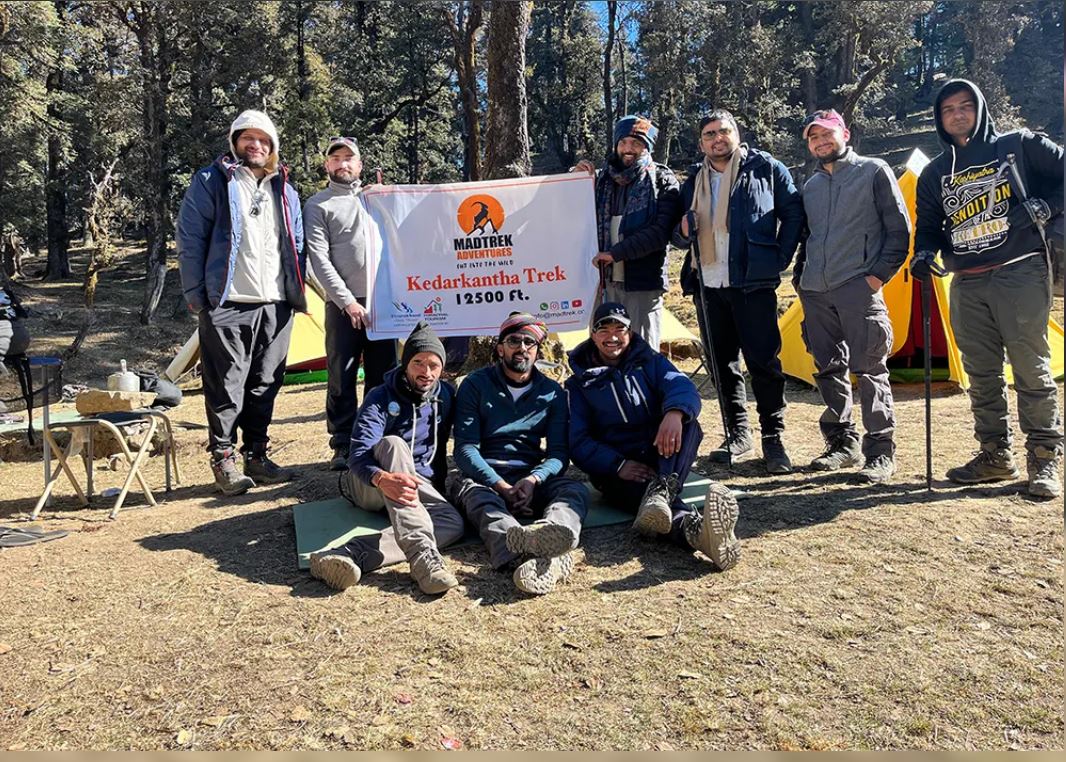
Plan your Kedarkantha Trek with this practical guide covering the Best Time for Kedarkantha Trek, weather, route, itinerary, difficulty, cost, packing essentials, and travel tips. Find out when to visit for snow, how to reach Sankri, and what to expect on the summit day.
The Kedarkantha Trek is one of the most popular beginner-friendly treks in Uttarakhand. It is a great choice if you want to experience Himalayan snow, forest trails, camping, and a summit climb in one trip.
The trek starts from Sankri, a small mountain village in Uttarkashi district. The trail passes through pine and oak forests before reaching Juda Ka Talab and Kedarkantha Base Camp. The final climb takes you to the Kedarkantha Summit at around 3,800 metres (12,500 feet).
What makes this trek special is the changing landscape.
The season you choose can completely change your experience. So, knowing the Best Time for Kedarkantha Trek is important before you book your trip.
The best months depend on what you want from the trek.
For the classic snowy Kedarkantha experience, December to February is the most popular period.
Winter is the main trekking season for Kedarkantha.
Best for: Snow lovers, winter trekking, and photography.
Spring brings a mix of snow and greenery.
Best for: Trekkers who want some snow without the harshest winter conditions.
By summer, most lower trails lose their snow.
Best for: Green landscapes and comfortable trekking conditions.
Autumn is another excellent season.
Best for: Photography, clear views, and trekkers who do not need deep snow.
Weather varies with altitude and year-to-year conditions, so treat these temperatures as approximate.
The standard route is:
Dehradun → Sankri → Juda Ka Talab → Kedarkantha Base Camp → Kedarkantha Summit → Hargaon → Sankri → Dehradun
The trekking route is approximately 20 km, while the summit reaches around 3,800 metres.
The main attractions include:
Distance: Around 200–210 km by road
Travel time: 9–10 hours
Start early from Dehradun.
The drive takes you through mountain roads, forests, valleys, and small settlements.
Reach Sankri in the evening.
Use the evening to:
Distance: Around 4 km
Trek time: 3–5 hours
The trek begins.
You leave Sankri and enter the forest. The trail gradually climbs through pine and oak trees.
Your destination is Juda Ka Talab.
In winter, the lake can freeze and the surrounding forest can become covered with snow.
Spend the evening at camp and prepare for the next day’s climb.
Distance: Around 4 km
Trek time: 3–4 hours
Continue towards Kedarkantha Base Camp.
The trail climbs steadily through forests.
As you gain altitude, the trees become thinner and the views open up.
Once you reach base camp, rest well.
The next day is summit day.
Distance: Around 6 km
Trek time: Up to 7 hours
This is the most challenging day.
Start early, often before sunrise.
The trail becomes steeper as you approach the summit. Snow can make the climb harder during winter.
The reward is the summit.
At around 3,800 metres, Kedarkantha offers impressive views of surrounding Himalayan peaks on clear days.
After spending some time at the top, descend towards Hargaon.
Stay overnight at camp.
Distance: Around 6 km
Trek time: About 4 hours
The trail descends through pine forests.
The route is easier after the summit, but snow and slippery sections can still require caution.
Reach Sankri by afternoon or evening.
Enjoy a hot meal and rest.
The trek is complete.
Start the drive back to Dehradun after breakfast.
The journey can take around 9–10 hours.
Keep enough buffer time if you have a train or flight from Dehradun.
Kedarkantha is generally rated easy to moderate.
It is suitable for beginners who prepare properly.
The main challenges are:
The summit day requires the most effort.
You do not need technical climbing experience for the standard trail. However, good fitness makes a major difference.
The total cost depends on your trekking operator and travel style.
A package may include:
Uttarakhand Tourism currently lists an approximate budget of ₹15,000 per person for its itinerary, but private operators may charge different rates.
Keep extra money for personal expenses, snacks, medicines, gear rental, and emergencies.
Your packing list should change with the season.
For winter, carry enough warm layers. Temperatures at higher camps can drop well below freezing.
Start preparing at least 4–6 weeks before your trek.
You do not need extreme training.
Focus on stamina and leg strength.
Try:
Gradually increase your walking time.
Your goal is to comfortably walk for several hours.
Mountain weather can change quickly.
Follow these simple rules:
If you experience severe headache, dizziness, nausea, unusual weakness, or breathing problems, tell your trek leader immediately.
Do not push yourself just to reach the summit.
Fly to Dehradun’s Jolly Grant Airport and continue by road.
Reach Dehradun Railway Station and travel onwards to Sankri.
You can take a taxi, shared vehicle, or trekking operator’s transport from Dehradun.
The road journey from Dehradun to Sankri is long, so start early.
Most organized treks provide meals.
Typical food can include:
Carry a few snacks for extra energy.
Good choices include:
Drink water regularly throughout the day.
Yes, with proper preparation.
Kedarkantha is considered one of the more accessible Himalayan summit treks.
Still, winter conditions can make the trail difficult.
Beginners should:
|
Feature |
Details |
|
Location |
Uttarakhand |
|
Starting Point |
Sankri |
|
Summit Height |
About 3,800 m |
|
Trek Distance |
Around 20 km |
|
Difficulty |
Easy to Moderate |
|
Ideal Duration |
6 Days |
|
Best Snow Months |
December–February |
|
Best Spring Months |
March–April |
|
Best Autumn Months |
October–November |
|
Main Attraction |
Snow, forests, lake and summit |
The Best Time for Kedarkantha Trek for snow is December to February. March and April offer milder weather with possible snow at higher elevations. October and November are better for clear views and crisp weather.
January and February are usually excellent choices for a snow-covered trail. Actual snowfall depends on the season.
Yes. The trek is generally considered easy to moderate. Beginners should still train before the trip.
The summit is approximately 3,800 metres (12,500 feet) above sea level.
A standard itinerary takes six days, including the road journey between Dehradun and Sankri.
A typical organized trek can cost around ₹10,000–₹15,000 or more, depending on inclusions, season, transportation, and operator. Always compare inclusions before booking.
Yes. Snow is most likely from December through February, with snow sometimes remaining on higher sections during March and April.
Kedarkantha is a rewarding trek for anyone who wants to experience the Himalayas without taking on a highly technical route.
Choose your season carefully.
If you want a snowy adventure, pick December to February.
If you want a combination of snow and milder weather, consider March or April.
For clear skies and mountain views, October and November are strong choices.
Before leaving, train your body, pack proper clothing, check the weather, and follow your trek leader’s instructions.
Most importantly, do not rush.
Enjoy the forests.
Enjoy the camps.
Enjoy the views.
And save your energy for the summit.




