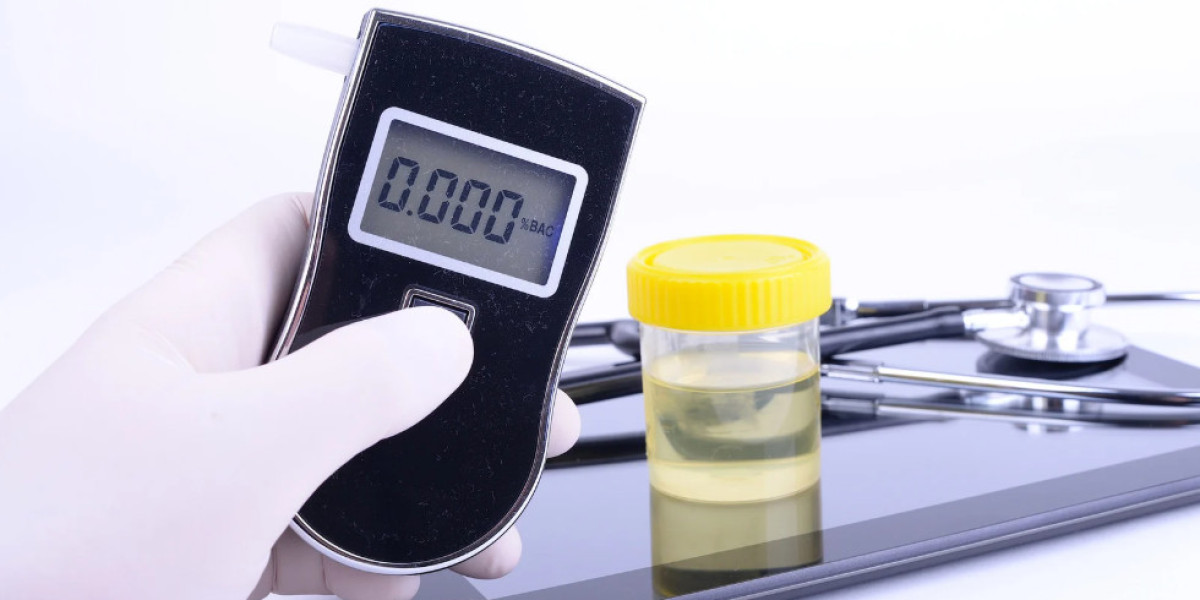

Breath alcohol testing has emerged as a critical solution for monitoring alcohol consumption and ensuring safety in both professional and personal environments. This testing method measures blood alcohol concentration (BAC) through exhaled breath, offering a fast, reliable, and non-invasive approach. As technology advances, breath alcohol testing has become more accurate and widely accessible, serving law enforcement, workplace safety programs, and personal monitoring needs.
The Science Behind Breath Alcohol Testing
Breath alcohol testing devices operate based on the principle that alcohol consumed is absorbed into the bloodstream and expelled through the lungs. Breathalyzers detect ethanol molecules in the breath and calculate the BAC. Modern breathalyzers often use fuel cell sensors or infrared spectroscopy to provide precise readings. Fuel cell sensors generate an electrical signal proportional to alcohol concentration, while infrared devices measure how alcohol molecules absorb light at specific wavelengths. Both methods offer accurate and legally defensible results.
Key Applications
Traffic Safety and Law Enforcement
Breath alcohol testing is extensively used in traffic enforcement to identify impaired drivers. Police officers rely on portable breathalyzers during stops to determine BAC, ensuring road safety. These devices allow law enforcement to act quickly and effectively, preventing potential accidents caused by alcohol impairment. Stationary testing units at checkpoints further enhance accuracy and support legal proceedings.
Workplace Monitoring
Organizations operating in safety-sensitive industries often implement breath alcohol testing programs. Employees in fields like construction, manufacturing, and transportation may undergo regular testing to ensure sobriety during work hours. Such protocols help minimize workplace accidents, increase productivity, and protect both employees and clients. Random testing is an effective deterrent against alcohol use on the job, promoting a culture of responsibility.
Personal Use and Accountability
Breath alcohol testing is not limited to professional or legal settings. Individuals can use personal breathalyzers to monitor their BAC before driving or participating in activities that require focus and coordination. Accurate home-use devices empower users to make safer choices, promoting responsible drinking and preventing risky behavior.
Advantages of Breath Alcohol Testing
Speed and Convenience
Breath alcohol testing offers rapid results, often within seconds, without the need for invasive procedures. Its portability and ease of use make it suitable for roadside checks, workplace monitoring, and personal use. This speed and convenience are crucial for immediate decision-making and preventing potential harm.
Accuracy and Legal Reliability
Modern breath alcohol testing devices are highly accurate when properly calibrated. Many models are certified for legal use, making their results admissible in court or official proceedings. This reliability ensures fair and consistent testing in both workplace and law enforcement contexts.
Promotes Safety and Compliance
Implementing breath alcohol testing helps maintain compliance with legal standards and workplace safety regulations. Employers can demonstrate due diligence in protecting employees, while law enforcement agencies can uphold public safety effectively. Overall, breath testing contributes to a culture of accountability and responsible behavior.
Challenges and Best Practices
While highly effective, breath alcohol testing is not without challenges. Factors such as residual mouth alcohol, device calibration, and environmental conditions may impact results. Proper training, adherence to testing protocols, and confirmatory tests when necessary ensure accurate and defensible outcomes.
Conclusion
Breath alcohol testing is an indispensable tool for maintaining safety, legal compliance, and personal accountability. By providing rapid, accurate, and non-invasive BAC measurements, it serves law enforcement, workplaces, and individual users alike. Embracing this technology promotes responsible behavior, enhances safety, and ensures informed decision-making, making it an essential component in modern alcohol monitoring practices.