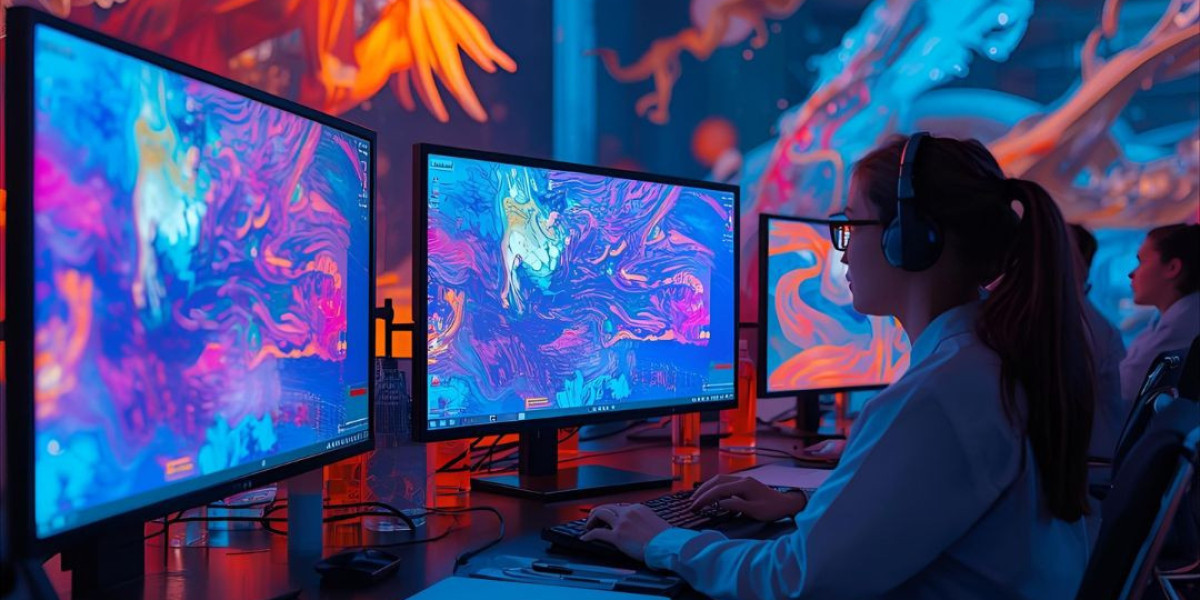

In today’s world of infinite scrolls and fleeting attention spans, data alone doesn’t drive connection — stories do. Animation and marketing design have evolved into powerful tools that translate raw information into emotionally engaging experiences. Whether it’s a financial brand visualizing market trends through motion graphics or a healthcare startup simplifying complex procedures with animated infographics, visual storycraft has become the bridge between analytics and emotion. It’s no longer about what the numbers say, but about how audiences feel when they see them.
The Shift from Information to Emotion
In marketing, data is plentiful — graphs, numbers, and charts flood campaigns daily. Yet most of this information gets lost in translation because humans aren’t wired to remember figures; they remember feelings. Animation transforms static data into motion-driven stories that spark empathy and understanding. For instance, instead of a dull pie chart showing renewable energy usage, an animated sequence can depict the transformation of a polluted cityscape into a green ecosystem, reinforcing sustainability’s emotional and social impact.
Modern marketers are realizing that motion amplifies message retention. Studies show that viewers retain 95% of a message when it’s delivered through video or animation compared to just 10% through text. This shift has made animation a key player in data storytelling — giving life, rhythm, and soul to statistics that might otherwise go unnoticed.
How Animation Gives Data a Voice
When done right, animation doesn’t just display data — it narrates it. The interplay of color, motion, and pacing helps audiences perceive information in an intuitive and emotional way. For instance:
- Motion Hierarchy: Subtle movements direct the viewer’s eye, showing which data points matter most.
- Color Psychology: Warm tones evoke optimism, cool hues signal trust, and contrast highlights critical insights.
- Timing and Flow: The rhythm of an animation can mimic the pulse of a narrative — slow builds for suspense, rapid transitions for excitement.
In marketing design, these principles are used to craft campaigns that speak both logically and emotionally. An animated brand report can tell a year’s worth of achievements in under a minute — a visual conversation between brand and audience.
AI and Automation: The New Co-Creators
Artificial Intelligence has begun to revolutionize animation workflows, making it faster, smarter, and more personalized. Tools like Runway ML, Spline, and Adobe Firefly now allow creators to automate repetitive tasks like inbetweening, lip-syncing, and even style transfer, enabling designers to focus more on storytelling and concept.
AI-driven animation doesn’t just speed up production — it enhances creativity. Brands can now generate multiple animation styles from a single dataset or visualize audience emotions in real time. For example, marketers are experimenting with emotion analytics, where AI observes facial reactions to animated ads and adjusts visuals dynamically to maximize emotional impact.
Recently, several creative agencies have begun using generative AI to turn large datasets into artistic, real-time visualizations — blending data science, storytelling, and animation seamlessly. These tools are redefining the role of animators from manual designers to emotional architects.
Motion Design as a Marketing Language
Motion design has become the emotional grammar of digital communication. Every movement tells a story — from the bounce of a button in a mobile app to the fluid transition in a product explainer video. Subtle animations in UI and UX are no longer aesthetic choices; they’re behavioral cues that guide users emotionally and cognitively.
Marketers are also leveraging animation in brand storytelling. Instead of conventional advertising, companies now build animated narratives that resonate with their values — sustainability, inclusivity, innovation — all expressed visually through motion.
A recent global campaign by a leading tech brand used animated line art to visualize “data as emotion,” merging minimalist design with human storytelling. The campaign went viral, not because of the data it showed, but because of how it felt. This is the essence of visual storycraft — the ability to make information human.
Interactive Storytelling and Immersive Data
The future of visual storytelling lies in interactivity. Audiences no longer want to passively consume content; they want to explore it. Interactive animations and 3D infographics allow viewers to manipulate data, click through narratives, and experience stories from different perspectives.
This trend is expanding into virtual and augmented reality. Imagine an AR marketing campaign where users visualize environmental data as floating animated particles or a VR experience where motion graphics explain global health issues in immersive worlds. Such experiences don’t just inform — they immerse.
The line between animation, design, and experience has blurred. Brands now invest heavily in motion identity — a visual style language that moves, breathes, and evolves dynamically across digital platforms.
The Growing Landscape of Animation Education
With this rapid integration of animation in marketing, the demand for skilled motion designers is surging across India. Creative hubs are witnessing a rise in professionals upskilling in animation, VFX, and design storytelling. For instance, students enrolling in the best 2D animation courses in Bengaluru are exploring advanced techniques in motion design, data visualization, and AI-assisted animation — areas once reserved for studios are now being democratized through education.
The career opportunities are vast — from marketing agencies and product design teams to entertainment, education, and corporate communication. As data becomes the new storytelling currency, animators are the translators who make it emotionally legible.
Emotion Is the Final Metric
In a data-driven world, the ultimate measure of success isn’t just engagement or conversion — it’s connection. Animation’s power lies in its ability to transform the cold precision of data into human emotion. It builds empathy, reinforces understanding, and gives brands a heartbeat.
Visual storycraft is not just a creative technique; it’s a strategic necessity. Marketers who master this fusion of art, analytics, and motion will not only capture attention but also inspire trust — the most valuable currency in digital communication.
As the animation and design industry continues to evolve, new opportunities are emerging for learners and professionals alike. With institutions nurturing talent through advanced motion design and storytelling programs, aspiring artists can shape the next generation of visual narratives. Those seeking guidance and expertise can explore training from the best animation institute in Bengaluru, where creative education meets real-world innovation and industry insight.
Final Word
Visual storytelling is no longer confined to entertainment — it’s the heartbeat of modern communication. Animation allows us to see data differently, to feel numbers, and to connect through visuals that move both literally and emotionally. The future belongs to creators who can merge logic and motion — turning information into imagination, and data into deeply human stories.


