Physical Address
304 North Cardinal St.
Dorchester Center, MA 02124
Physical Address
304 North Cardinal St.
Dorchester Center, MA 02124

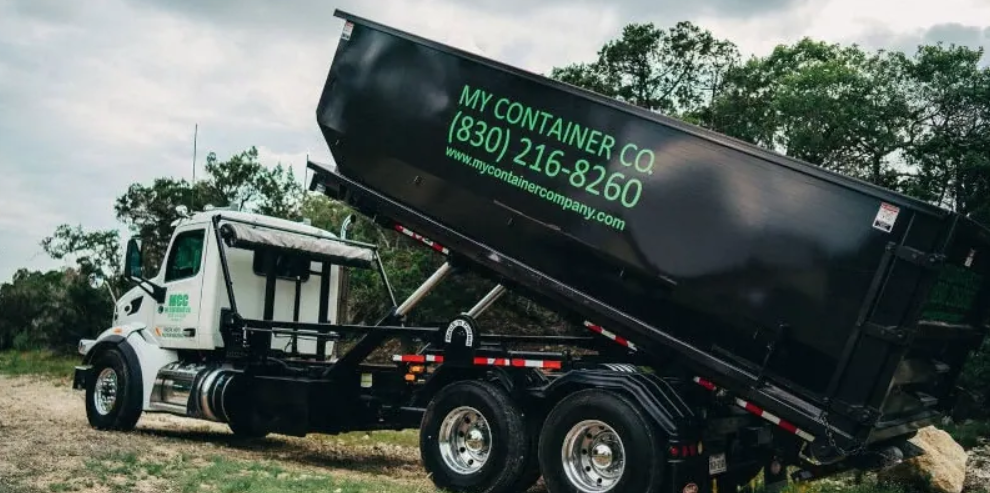
A 20 yard construction dumpster is a practical waste container for medium-sized construction, renovation, remodeling, roofing, and cleanup projects. It provides enough space for substantial amounts of debris while remaining more manageable than larger 30- or 40-yard containers.
The “20 yard” designation refers to the dumpster’s volume: 20 cubic yards, or approximately 540 cubic feet, of material. Actual exterior dimensions vary by provider, but common examples are around 20–22 feet long, 7.5–8 feet wide, and 3.5–4.5 feet high.
For contractors and property owners, understanding capacity, acceptable materials, weight limits, placement requirements, and project suitability can make dumpster selection much easier.
A 20 yard construction dumpster is a roll-off container designed to collect and transport waste generated during construction and renovation work.
One cubic yard equals 27 cubic feet, so a 20-yard container provides approximately 540 cubic feet of usable volume. This capacity can accommodate materials such as drywall, lumber, flooring, cabinets, roofing materials, and other non-hazardous construction debris.
The actual amount a dumpster can hold depends on the type of debris. Bulky materials may fill the container quickly, while dense materials can reach the weight limit before the container is full.
There is no single universal dimension for every 20-yard dumpster. Construction companies and waste providers use containers with slightly different proportions.
| Feature | Typical Range |
|---|---|
| Capacity | 20 cubic yards |
| Length | About 20–22 feet |
| Width | About 7.5–8 feet |
| Height | About 3.5–4.5 feet |
| Pickup-truck equivalent | Approximately 6–10 loads |
| Common applications | Construction, renovation, roofing, cleanouts |
A Connecticut Department of Energy and Environmental Protection guide lists a typical 20-yard dumpster at approximately 22 feet long, 7.5 feet wide, and 4.5 feet high. Other providers use shorter or lower containers.
Because dimensions vary, the exact container measurements should be confirmed before delivery.
A 20 yard construction dumpster can be suitable for many medium-sized projects that generate a combination of bulky and moderately heavy debris.
Common materials include:
Some providers also accept limited quantities of materials such as concrete, brick, dirt, or sand, but dense materials can reach weight limits quickly.
A 20 yard dumpster can work well for projects such as:
For example, a provider describes its 20-yard container as suitable for medium-scale home renovations, light demolition, roofing, siding, and similar projects.
Roof replacement can produce a large amount of waste in a relatively short period. A 20 yard container may be appropriate for certain residential roofing projects, depending on roof size, material, and the hauler’s weight restrictions.
Roofing shingles are relatively dense, so weight can become a limitation before the container is visually full.
Contractors should therefore estimate both the volume and expected weight of roofing debris rather than relying only on the dumpster’s cubic-yard capacity.
A 20 yard dumpster is commonly described as holding approximately 6–10 pickup-truck loads, although the comparison varies according to the size of the pickup bed and how material is loaded.
This makes it useful for projects that generate several loads of debris but do not require the capacity of a 30- or 40-yard container.
The actual amount may be lower when debris is unusually bulky or when heavy materials restrict loading.
Volume and weight are two separate limitations.
A dumpster might have plenty of physical space remaining while already approaching its permitted weight. This is particularly important with:
Heavy construction materials should always be discussed with the dumpster provider before delivery. Some providers allow only limited quantities of dense materials in a 20-yard container.
A 20-yard dumpster can be a practical option for a medium renovation where several types of debris are being removed.
A kitchen renovation, for example, could produce cabinets, drywall, flooring, countertops, packaging, and fixtures. A 20-yard container can provide enough space for this mixture when the overall project remains within the container’s volume and weight limits.
Large garage, basement, attic, or property cleanouts can also generate enough material to justify a 20-yard dumpster.
Furniture, boxes, old fixtures, household materials, and other bulky items consume significant space. In these situations, volume may be a more important consideration than weight.
A 20-yard container can also serve smaller construction and light demolition projects.
It may accommodate debris from a limited demolition area, small addition, deck removal, siding replacement, or similar work. For larger structural demolition or whole-house renovation projects, a larger container or multiple hauls may be necessary.
Choosing between dumpster sizes depends primarily on project volume and debris type.
| Dumpster Size | Approximate Capacity | Common Applications |
|---|---|---|
| 10 Yard | 10 cubic yards | Small repairs, bathroom projects, limited cleanouts |
| 20 Yard | 20 cubic yards | Medium renovations, roofing, construction cleanup |
| 30 Yard | 30 cubic yards | Larger renovations, major construction projects |
| 40 Yard | 40 cubic yards | Large construction and demolition projects |
A 20-yard dumpster sits between smaller containers and the larger sizes typically used for major construction work.
The right size is determined by the expected debris volume, material weight, available space, and rental requirements—not simply by the size of the building.
A 10-yard dumpster may be sufficient when a project involves only a small amount of debris.
Examples can include a single bathroom renovation, a small repair project, or a limited cleanout. Choosing a smaller container can prevent unused capacity when the amount of waste is predictable.
A 30- or 40-yard container may be more appropriate for extensive demolition, major construction, large-scale commercial work, or a whole-house renovation.
A 20-yard dumpster can become inefficient if the project generates substantially more material than its capacity. In such circumstances, using a larger container or scheduling multiple pickups may be considered.
The container needs a stable, accessible location with enough room for delivery equipment.
Before delivery, consider:
A typical 20-yard dumpster may be around 22 feet long and 7.5–8 feet wide, although exact dimensions vary.
Workers should be able to move debris safely from the project to the dumpster.
A clear route can make loading faster and reduce unnecessary handling. For construction projects, placing the container relatively close to the work area can also improve workflow.
A dumpster placed on private property may have different requirements from one placed on a public street.
Depending on the location, a permit may be required for street placement. Local rules should be confirmed before delivery.
Debris should be distributed throughout the container instead of creating one large pile in a single area.
Even loading helps use the available volume efficiently and can make transportation safer.
Materials should remain within the provider’s loading requirements. Overfilled containers can create safety problems during transportation.
Never assume that material can extend above the container simply because additional space appears available.
Concrete, dirt, brick, and other dense materials require particular attention because they can exceed weight allowances quickly.
A provider may have specific rules for heavy debris, including limits on the quantity that can be placed in a 20-yard container.
Dumpster rules differ by provider and location, but many services prohibit hazardous or specially regulated materials.
Examples may include:
For example, one major waste provider specifically lists hazardous materials, adhesives, fluorescent bulbs, wet paint, batteries, medical waste, and tires among prohibited materials for its 20-yard dumpsters.
The provider’s accepted-material list should always be checked before loading questionable items.
There is no universal price for a 20-yard construction dumpster. Cost can vary substantially according to location and rental conditions.
Important factors include:
Current published examples show substantial variation in advertised pricing, demonstrating why a local quote is more useful than relying on one nationwide price.
A quoted rental price may include a specific amount of debris weight. Published allowances vary among providers, with examples ranging from approximately 2 to 4 tons for some 20-yard containers.
Before ordering, it is useful to confirm:
A 20-yard dumpster may be appropriate when a project generates a moderate amount of primarily non-hazardous debris.
Consider these questions:
A good dumpster choice balances capacity, weight, available space, project duration, and disposal requirements.
A 20 yard construction dumpster offers a useful middle-ground solution for many renovation and construction projects. Its 20-cubic-yard capacity can accommodate several pickup loads of debris while remaining smaller than the containers commonly selected for major demolition.
For contractors, homeowners, and property managers, the most important considerations are the actual dimensions, allowable materials, weight limit, placement requirements, rental period, and total disposal cost.
When the project involves dense materials such as concrete, soil, brick, or large quantities of roofing debris, weight should receive as much attention as volume. For larger construction or demolition jobs, comparing a 20-yard container with a 30- or 40-yard option can help determine whether one container will be sufficient.




