Physical Address
304 North Cardinal St.
Dorchester Center, MA 02124
Physical Address
304 North Cardinal St.
Dorchester Center, MA 02124

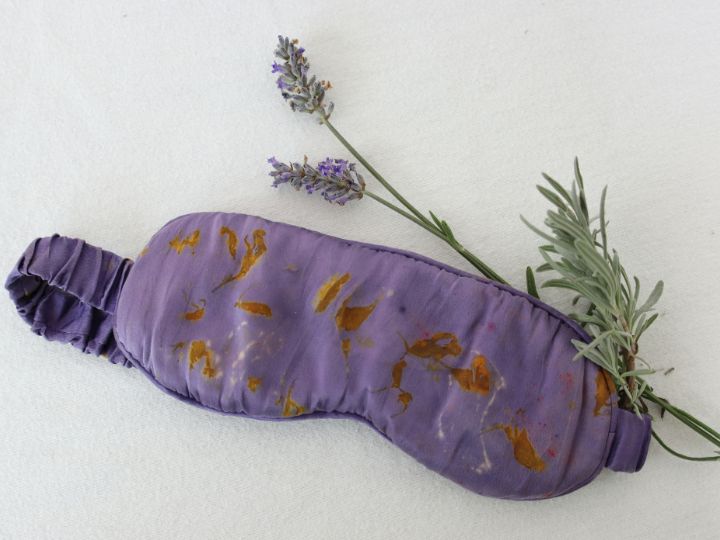
People with sensitive skin should pay close attention to the fabric that touches the face for several hours. A smooth, breathable material can reduce friction and help prevent discomfort around the eyes, cheeks, and forehead. Natural fabrics such as silk may feel gentle against the skin, while tightly woven synthetic materials can sometimes trap heat or create irritation.
When choosing a sleep mask, look for a soft surface with minimal texture. The material should feel comfortable rather than rough, scratchy, or excessively warm. If possible, choose a product made from breathable fabric that allows some airflow. This can be particularly helpful for people whose skin becomes warm or irritated during sleep.
Material quality can make a noticeable difference. Smooth silk, soft cotton, and certain breathable blends are commonly considered comfortable options. Avoid materials that feel stiff or abrasive when tested against the back of your hand.
It is also worth checking whether the fabric has been treated with fragrances, dyes, or other finishes. People with sensitive skin may react to unnecessary additives, especially when the material remains in contact with the face throughout the night.
A comfortable fit is just as important as the material. A mask that presses tightly against the face can create pressure around the eyes and leave temporary marks on the skin. Excessive tightness may also increase friction when you move during sleep.
Choose a design with an adjustable strap so you can find a secure fit without applying unnecessary pressure. The mask should remain in place while allowing you to move naturally during the night.
The area around the eyes is delicate and may be more sensitive than other parts of the face. A mask with a contoured design can provide space around the eyes instead of pressing directly against the eyelids.
Look for designs that sit comfortably across the forehead and cheekbones. If you notice redness, pressure marks, itching, or discomfort after wearing a mask, the fit may need adjustment or the product may not be suitable for your skin.
The overall construction can affect how comfortable a mask feels. Seams, stitching, labels, and rough edges may rub against the skin during sleep. Even a soft outer fabric can become uncomfortable if the internal construction contains coarse stitching.
Run your fingers along the inside of the mask before using it. The surface should feel smooth without noticeable bumps or sharp edges. Covered seams can be preferable because they reduce direct contact between stitching and the skin.
Also check the strap attachment points. These areas should be secure but should not contain exposed stitching that could scratch the skin or cause irritation.
Heat and moisture can contribute to discomfort for people with sensitive skin. A mask that holds too much heat against the face may make the skin feel sweaty or uncomfortable during the night.
Breathable materials can help create a more comfortable sleeping environment. Lightweight construction may also be preferable if you tend to feel warm while sleeping.
If you regularly wake up with damp or uncomfortable skin around your eyes, consider a material that does not easily hold moisture. A breathable fabric can help reduce the feeling of heat and dampness.
Avoid choosing a mask based solely on thickness or softness. A very plush material may feel comfortable initially but could become warm after several hours of use.
Fragrances can be a concern for individuals with reactive skin. Some sleep accessories may contain scented materials or have been treated with fragrances during manufacturing.
Read the product description and packaging carefully to identify whether fragrances, essential oils, or other unnecessary treatments have been added. A simple, unscented design may be a more appropriate option if your skin reacts easily to fragranced products.
A product with fewer unnecessary treatments can make it easier to identify potential irritants. When shopping, pay attention to the fabric composition, dyes, finishes, and cleaning instructions.
If you already know that your skin reacts to a particular material, check the full product specifications before making a purchase.
Regular cleaning is important because a mask comes into contact with facial oils, sweat, skincare products, and other residues. A mask that cannot be cleaned properly may accumulate substances that could contribute to skin discomfort.
Select a design that can be washed according to the manufacturer’s care instructions. Machine washable options can be convenient, while delicate fabrics may require hand washing.
Use the recommended washing method and avoid harsh cleaning products unless the manufacturer specifically recommends them. Strong detergents or heavily fragranced laundry products may leave residues on the fabric.
Allow the mask to dry completely before using it again. If the material develops an unusual smell, changes texture, or becomes rough after repeated washing, replacing it may be worthwhile.
Your skincare products can also affect how comfortable a mask feels. Creams, oils, serums, and moisturisers may transfer onto the fabric during the night. Some combinations of skincare residue and fabric can feel sticky or uncomfortable.
If you apply skincare products before bedtime, allow them enough time to absorb before putting on the mask. Keeping the mask clean can also help prevent accumulated product residue from repeatedly contacting your skin.
Silk has a smooth texture and can feel gentle against the face. However, individual skin reactions vary, so checking the fabric composition and avoiding added fragrances can still be important.
Washing frequency depends on how often you use it and how much sweat or skincare residue it collects. Regular cleaning according to the manufacturer’s care instructions can help keep the fabric fresh.
Yes. Excessive pressure and repeated friction may contribute to redness or discomfort. An adjustable design can help you achieve a secure fit without making the mask unnecessarily tight.
Consider avoiding rough fabrics, strong fragrances, abrasive seams, excessive pressure, and materials that make your face feel hot or sweaty.