Physical Address
304 North Cardinal St.
Dorchester Center, MA 02124
Physical Address
304 North Cardinal St.
Dorchester Center, MA 02124

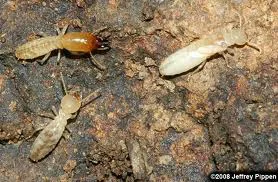
Termite damage rarely announces itself before it becomes serious. A few discarded wings near a window, mud tubes along a foundation, or soft wood around a moisture source can be easy to overlook. With Formosan termites, however, early attention matters because these termites can form large colonies and may establish nests above ground when moisture is available.
Understanding Formosan Termite Control means looking beyond visible insects. You need to consider how the colony is accessing the structure, where moisture exists, how extensive the damage may be, and whether previous treatments addressed the entire problem. Good decisions start with accurate identification and a careful inspection rather than assuming every termite infestation behaves the same way.
Formosan subterranean termites are an invasive termite species known for aggressive foraging and potentially extensive structural damage. Unlike many subterranean termites, they can establish aerial colonies inside structures when they have access to moisture, allowing portions of a colony to remain above ground.
That behavior makes Formosan Termite Control more complicated than simply treating the soil around a building. An inspection should consider plumbing leaks, roof or wall moisture, crawl spaces, wall voids, and other areas that could support an above-ground colony.
Several clues can justify a closer inspection:
A Formosan termite control strategy should begin by determining whether the insects are active and where they are traveling. Formosan swarmers are often attracted to light and may appear around structures during their swarming period.
There is no single treatment approach that fits every Formosan infestation. Soil-applied termiticides, bait systems, and targeted treatment of above-ground colonies may all have roles depending on the structure and infestation.
Effective Formosan Termite Control therefore requires more than choosing a product. The inspection should identify active areas, moisture conditions, access routes, previous treatments, and possible aerial nests.
EPA guidance also emphasizes prevention measures such as maintaining drainage, repairing leaks, reducing structural openings, and keeping wood debris away from buildings.
Not every termite question is simply about eliminating insects. Property owners, attorneys, insurers, contractors, and other professionals may need to determine how damage occurred, whether an infestation was active or historical, or whether an inspection or treatment followed accepted practices.
A Carpenter Ant Damage Consultant can help evaluate wood damage when carpenter ants may be involved, particularly when the visible damage does not clearly identify the responsible organism. Because moisture and wood deterioration can overlap among different pests, accurate identification matters.
A Pest Control Expert Witness may become relevant when technical findings must be documented for a claim, dispute, mediation, arbitration, or litigation. Such an evaluation can involve inspection records, treatment histories, photographs, structural damage, and the biological behavior of the suspected pest. An expert consultant’s work includes termite investigations, structural damage assessments, treatment-standard reviews, and technical reporting.
If you suspect an infestation, document what you can before repairs alter the evidence. Photograph visible damage, mud tubes, swarmers, discarded wings, moisture problems, and areas where previous treatments occurred. Keep pest-control reports, invoices, inspection records, and repair documents together.
This information can help a Carpenter Ant Damage Consultant or Pest Control Expert Witness understand the property’s history and distinguish current observations from older conditions.
Most importantly, do not assume that cosmetic repairs solve the underlying problem. A Formosan Termite Control plan should address the infestation and the conditions that allow it to persist.
Prevention starts with moisture management and routine inspection. Repair plumbing or drainage problems promptly, maintain gutters and downspouts, seal suitable entry points, and avoid storing unnecessary wood against the structure.
If you discover suspicious activity, professional evaluation can help determine what needs attention first. A Carpenter Ant Damage Consultant can help when wood damage has multiple possible causes, while a Pest Control Expert Witness can provide technical analysis when the matter extends beyond routine pest management.
Good Formosan Termite Control begins with understanding the insect rather than treating every termite problem identically. Formosan termites can create large colonies and may establish above-ground nests when moisture supports them, so visible activity may represent only part of the situation.
For property owners, the practical lesson is straightforward: identify the pest, investigate the source of activity, document the condition, address moisture problems, and evaluate treatment based on the actual infestation. When damage becomes part of an insurance or legal dispute, a Pest Control Expert Witness can provide specialized technical analysis, while a Carpenter Ant Damage Consultant can help distinguish competing explanations for wood damage.
Ultimately, Formosan Termite Control is most effective when inspection, evidence, treatment, and prevention work together rather than being handled as separate problems.




