Physical Address
304 North Cardinal St.
Dorchester Center, MA 02124
Physical Address
304 North Cardinal St.
Dorchester Center, MA 02124

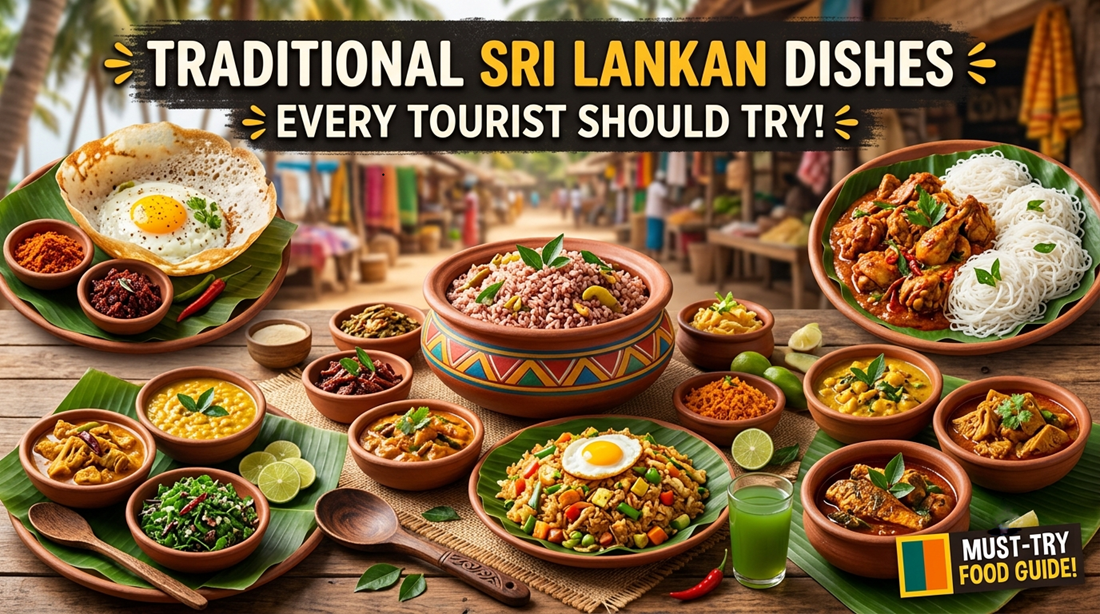
Sri Lanka is famous for its beautiful beaches, green tea plantations, ancient temples, and delicious food. Traditional Sri Lankan cuisine is known for its rich spices, coconut-based curries, fresh seafood, and a variety of rice dishes. Each region offers its own flavours and cooking styles, giving travellers plenty of opportunities to enjoy authentic local meals. Tourists planning a visit should make time to experience these dishes while preparing their travel documents, including the Sri Lanka Visa requirements.
Rice and Curry
Rice and curry is one of the most popular traditional meals in Sri Lanka. It usually includes steamed rice served with several curries made from vegetables, fish, chicken, or lentils. Coconut milk, turmeric, curry leaves, cinnamon, and other spices give these dishes their distinctive flavours. Some meals also include sambols, pickles, and crispy papadums.
Rice and curry is available in restaurants, small local eateries, and family-run food stalls across the country. Visitors can choose mild or spicy options according to their preferences. For tourists travelling with a Sri Lanka eVisa trying this everyday meal is a simple way to experience the island’s food culture.
Hoppers and String Hoppers
Hoppers, locally known as appa, are bowl-shaped pancakes made from a fermented rice flour and coconut milk batter. Their edges are thin and crispy, while the centre remains soft. Egg hoppers contain an egg cooked in the middle and are often served with sambol or curry.
String hoppers are another favourite, prepared by pressing rice flour dough into thin noodles and steaming them. They are commonly eaten for breakfast or dinner with coconut sambol and dhal curry. These dishes are widely available in local restaurants, making them convenient choices for travellers who want to taste traditional Sri Lankan food.
Kottu Roti
Kottu roti is a popular street food prepared by chopping flatbread into small pieces and mixing it on a hot griddle with vegetables, eggs, meat, and spices. The rhythmic sound of metal blades striking the cooking surface is familiar in many Sri Lankan towns.
Different versions are available, including chicken, beef, seafood, and vegetarian kottu. The dish is filling, flavourful, and often served in generous portions. Tourists can enjoy it for lunch or dinner while travelling between popular attractions.
Sri Lankan Dhal Curry
Dhal curry, made with red lentils, is a staple in many Sri Lankan households. It is usually cooked with coconut milk, onions, turmeric, curry leaves, and other spices to create a creamy, comforting dish. Dhal is commonly served with rice, string hoppers, bread, or roti.
Vegetarians will find dhal curry particularly useful because it is widely available and pairs well with many traditional meals. Travellers with dietary restrictions should still check the ingredients, as recipes and preparation methods can vary between restaurants.
Pol Sambol
Pol sambol is a traditional coconut condiment prepared with freshly grated coconut, chilli, onion, lime juice, and salt. It adds a fresh, spicy flavour to rice, hoppers, bread, and other local dishes. Some versions contain dried fish, so visitors following a vegetarian diet should ask about the ingredients before ordering.
Lamprais
Lamprais reflects the influence of Sri Lanka’s Dutch Burgher community. It typically combines rice, meat curry, accompaniments, and a rich seasoning mixture, all wrapped in a banana leaf and baked. The leaf helps develop a distinctive aroma and allows the flavours to blend during cooking.
Lamprais is a good choice for visitors interested in dishes that reflect the island’s diverse cultural history.
Plan Your Sri Lankan Food Journey
From crispy hoppers to flavourful curries, traditional Sri Lankan dishes offer something for different tastes and budgets. Sampling local food can make a holiday more memorable, whether you visit Colombo, Kandy, Galle, or smaller towns across the island.
Before departure, check the latest Sri Lanka e Visa requirements and confirm whether you need a Sri Lanka ETA Visa for your visit. Preparing the necessary travel documents in advance allows you to focus on enjoying Sri Lanka’s food, culture, and scenery.




