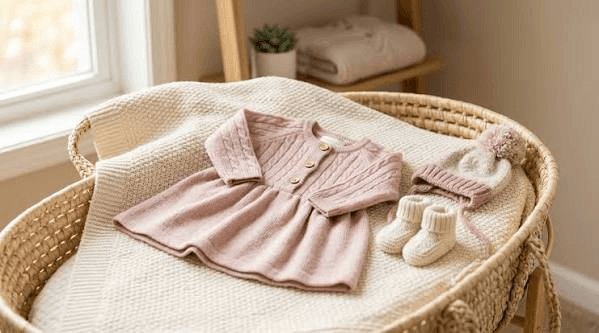

Choosing the right clothes for a newborn involves more than picking attractive colours and designs. Babies have delicate skin and need comfortable clothing that suits the surrounding temperature. Whether parents are preparing for a warm summer, cooler evenings, or changing weather conditions, understanding how to dress a newborn can make everyday care easier.
Newborns cannot regulate their body temperature as efficiently as adults, so parents need to pay attention to clothing materials, layers, and overall comfort. With a few practical choices and some advance planning, families can keep their little ones comfortable throughout the day.
1. Choose Soft and Breathable Fabrics
Newborn clothing should feel gentle against the baby’s skin. Soft cotton is a popular option because it is breathable, lightweight, and comfortable for everyday use.
Parents should look for garments with smooth seams, convenient fastenings, and comfortable fits. Avoid clothes with rough decorations, loose buttons, or irritating labels that may cause discomfort.
Having a small collection of breathable bodysuits, sleepsuits, and lightweight tops can make dressing and changing easier. It is also useful to choose clothing that can be washed frequently without losing its softness.
2. Understand the Importance of Clothing Layers
Layering helps parents adjust their baby’s clothing according to the surrounding temperature. Instead of choosing one thick outfit, consider using a few lightweight layers that can be added or removed when necessary.
For example, a cotton bodysuit with a suitable outer layer may work well in mildly cool conditions. During warmer weather, lightweight clothing may be sufficient.
Parents should regularly check the baby’s chest or back to assess warmth rather than relying only on the temperature of their hands and feet. If the baby feels unusually warm or is sweating, consider removing an extra layer.
3. Prepare Clothing for the Hospital Stay
Parents should arrange a few comfortable outfits before the expected delivery date. Newborn bodysuits, sleepsuits, socks, soft caps, and receiving blankets may be useful depending on the hospital’s requirements and local weather.
Organising these items in a Hospital baby kit can help parents keep newborn clothing and other necessary supplies together.
It is also useful to pack a separate outfit for bringing the baby home. Choose something comfortable, easy to put on, and appropriate for the weather. Preparing these items in advance can reduce last-minute stress and make the hospital experience more organised.
4. Consider Comfort During Diaper Changes
Newborns require frequent diaper changes, so clothing should allow easy access without causing unnecessary discomfort.
Bodysuits with convenient bottom fastenings and sleepsuits with front openings can make changing more manageable. Parents should avoid outfits with complicated closures that make routine diaper changes unnecessarily difficult.
It is equally important to organise the changing area with clean diapers, wipes, spare clothes, and disposal bags. Suitable Diapering Accessories can help keep frequently used changing products accessible and organised.
Having everything within reach makes diaper changes more convenient, especially during nighttime routines. Always keep one hand on the baby when using an elevated changing surface.
5. Dress Your Baby Appropriately During Sleep
Newborns need a comfortable sleeping environment, and clothing plays an important role in maintaining an appropriate temperature.
Choose suitable sleepwear based on the room temperature and avoid overdressing your baby. A lightweight sleepsuit or an appropriate wearable blanket may be considered depending on the environment.
Always place your baby on their back on a firm, flat sleeping surface with a fitted sheet. Keep pillows, stuffed toys, loose blankets, and other soft objects out of the sleeping area.
Parents should also avoid covering a baby’s head indoors during sleep unless specifically advised by a healthcare professional.
6. Adjust Clothing Choices for Different Weather Conditions
Weather changes can influence the type of clothing a newborn needs. During hot and humid conditions, lightweight cotton garments can help keep the baby comfortable. Avoid unnecessary layers and monitor the baby’s temperature regularly.
During cooler weather, parents can use additional lightweight layers, socks, and suitable outerwear when needed. However, excessive layering should be avoided because overheating can also cause discomfort.
When travelling outdoors, consider the duration of the outing and the surrounding temperature. Remove outdoor layers when entering a warm indoor environment or getting into a heated vehicle.
7. Wash and Store Newborn Clothes Properly
Newborn clothing should be washed before its first use. Choose a suitable detergent and follow garment care instructions.
Separate clean clothes from used garments and store them in a dry, organised space. Keep frequently used outfits in an accessible drawer to simplify daily changes.
Having a few extra outfits ready can also help parents manage unexpected spills, feeding stains, and diaper leaks.
8. Avoid Buying Too Many Clothes in Advance
Babies grow quickly, and newborn clothing sizes may only be useful for a short period. Instead of purchasing large quantities, start with a practical selection of everyday outfits.
Consider the season, expected weather, and washing frequency before adding more garments to your shopping list. Parents can gradually purchase additional clothing as the baby’s growth and requirements become clearer.
Conclusion
Dressing a newborn comfortably requires attention to fabric, fit, layering, and weather conditions. Parents can make everyday routines easier by choosing breathable clothing, preparing hospital outfits in advance, and organising convenient changing supplies.
With thoughtful planning and a practical approach to newborn clothing, families can keep their little ones comfortable while making dressing and diaper changes simpler throughout the early months.