
Gift packaging plays a much bigger role in the customer experience than many businesses realize. Before someone opens a present, the packaging has already created an impression about what might be inside. Its appearance, material, colors, and overall presentation can influence how a person feels about the gift and the brand behind it. This is why businesses increasingly consider packaging an important part of their product presentation rather than simply a way to cover and protect an item.
Whether a company sells cosmetics, clothing, chocolates, accessories, or handmade products, the packaging can help communicate its identity. A carefully designed box makes a product feel more thoughtfully presented and gives customers another reason to remember their purchase.
First Impressions Begin Before the Box Is Opened
Customers often form an opinion about a product before they have even seen it. The packaging provides the first visual information about what they can expect. A neat, attractive box can create curiosity, while a poorly presented package may make even a quality product feel less appealing.
For gift-oriented businesses, this first impression becomes particularly important. People usually want their presents to look special, whether they are buying something for a birthday, wedding, anniversary, holiday, or corporate occasion.
The size, shape, and design of a box all contribute to this experience. A simple box with balanced colors and clean typography can look elegant without being overly decorative. Similarly, a more detailed design may work well for products positioned as luxury gifts. The key is choosing a presentation that matches the product and the occasion.
Packaging Helps Customers Recognize a Brand
Brand recognition develops when customers repeatedly encounter familiar visual elements. These may include a particular color combination, logo, typography, pattern, or packaging structure. When these elements remain consistent across products, customers gradually begin associating them with a specific business.
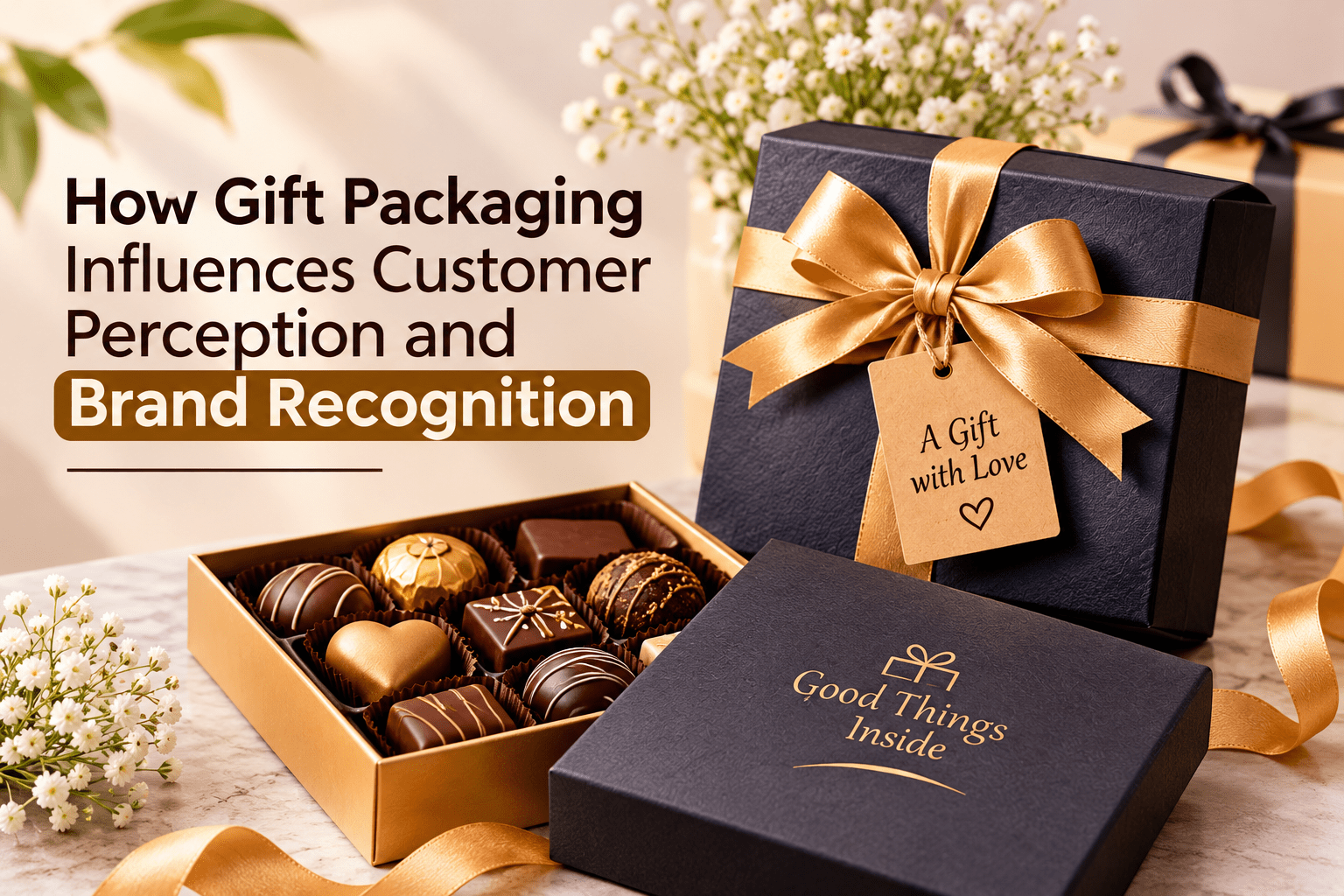
For example, a skincare company might use soft colors and minimal graphics to communicate simplicity and quality. A premium chocolate business may prefer darker shades, metallic details, and structured boxes to create a more sophisticated appearance.
Consistency does not mean every product needs to look exactly the same. Businesses can introduce different designs for seasonal collections or special occasions while maintaining recognizable brand elements.
This approach helps customers identify products more easily, especially when several brands compete for attention in the same retail environment.
Choosing the Right Box Design for Different Products
Not every product requires the same type of packaging. A box designed for delicate jewelry may not be suitable for clothing, cosmetics, or food products. Businesses should consider the product’s dimensions, weight, fragility, and presentation requirements before selecting a packaging structure.
Rigid boxes are commonly used for premium gifts because their firm construction provides a structured appearance. Folding cartons can work well for retail products because they are lightweight, practical, and easy to store. Corrugated boxes are another option when additional protection is necessary during shipping and handling.
The interior also deserves attention. Inserts, dividers, and protective materials help keep products in position and prevent unnecessary movement. For products containing multiple items, these additions can make the arrangement look organized and intentional.
The objective is to find a balance between appearance, functionality, and product protection rather than choosing a design based only on its visual appeal.
The Role of Colors, Typography, and Finishing Details
Visual elements have a strong influence on how customers interpret packaging. Colors, for instance, can establish a particular mood. Soft and neutral shades often create a calm appearance, while bold colors can communicate energy and playfulness.
Typography also matters. The font used for a brand name or product description should be easy to read and appropriate for the overall design. Combining too many fonts can make a box look cluttered, whereas a consistent typographic style creates a more organized presentation.
Finishing techniques can add another layer of detail. Some commonly used options include:
- Embossing: Creates raised elements that customers can see and feel.
- Debossing: Presses selected design elements into the material for a subtle appearance.
- Foil stamping: Adds metallic details to logos, patterns, or text.
- Matte finishing: Creates a smooth, understated surface.
- Gloss finishing: Adds shine and can make printed colors appear more prominent.
These techniques should be selected according to the brand’s identity and budget. Using several finishes does not automatically make a box look better. Sometimes, one carefully selected detail creates a stronger impression than an overly complicated design.
Personalization Makes Gift Packaging More Meaningful
Personalization has become an important consideration in gift packaging because customers often want their presents to feel different from ordinary retail purchases.
A personalized message, recipient’s name, occasion-specific artwork, or custom color combination can make a gift feel more thoughtful. Businesses can also introduce limited-edition packaging for holidays, weddings, product launches, and promotional campaigns.
For example, a chocolate business might create a special box for Valentine’s Day with coordinated colors and an arrangement designed for individual chocolates. A corporate gifting company could use branded packaging with a message prepared for employees, clients, or business partners.
These small details can make the unboxing experience more memorable without requiring a completely different packaging structure for every order.
How Packaging Influences the Unboxing Experience
The unboxing experience is another reason businesses pay attention to packaging design. Opening a well-organized box can create a sense of anticipation and make receiving a product feel more enjoyable.
Several elements contribute to this experience. The way a lid opens, how products are arranged inside, the quality of the material, and the placement of inserts all affect the overall presentation.
A box that opens smoothly and reveals an organized interior feels more considered than one where products are loosely placed or difficult to remove. Even small additions, such as tissue paper or a printed greeting card, can contribute to a more personal experience.
However, packaging should remain practical. Customers should not have to struggle with excessive layers or unnecessary materials just to access their purchase. An effective design combines visual appeal with convenience.
Sustainable Materials and Practical Packaging Choices
Environmental considerations are also influencing packaging decisions. Many businesses are exploring recyclable paperboard, kraft materials, and responsibly sourced packaging options to reduce unnecessary waste.
The choice of material depends on the product and its requirements. A lightweight paperboard box may be suitable for certain retail gifts, while a more protective structure may be necessary for fragile products.
Businesses should also consider the amount of material used in each package. Oversized boxes with excessive fillers can create unnecessary waste and increase shipping requirements. Selecting an appropriate box size helps improve efficiency while maintaining a presentable appearance.
Sustainable packaging should not be treated as a decorative claim. Businesses need to understand the materials they use and communicate their environmental characteristics accurately.
Working with the Right Packaging Partner
Developing effective gift packaging requires more than selecting a box and adding a logo. Businesses need to consider structural design, printing quality, material selection, finishing options, and consistency across different product collections.
Working with an experienced packaging provider can make this process easier. It allows businesses to discuss their requirements, compare suitable materials, and select designs that match their products and brand positioning.
For companies exploring different packaging styles, The Box Zilla provides an example of how custom packaging can bring together visual identity, box construction, and product presentation. The same approach can be applied when considering custom printed gift boxes to create packaging that reflects a business’s identity while meeting the practical needs of its products.
Final Conclusion of All Things
Gift packaging influences how customers see, receive, and remember a product. From the first impression to the moment a box is opened, every detail contributes to the overall experience.
A successful packaging strategy does not necessarily require expensive materials or complicated designs. It requires an understanding of the target audience, the product, and the message a business wants to communicate. By combining suitable materials, consistent branding, thoughtful presentation, and practical construction, businesses can create gift packaging that feels meaningful and supports long-term brand recognition.