Physical Address
304 North Cardinal St.
Dorchester Center, MA 02124
Physical Address
304 North Cardinal St.
Dorchester Center, MA 02124

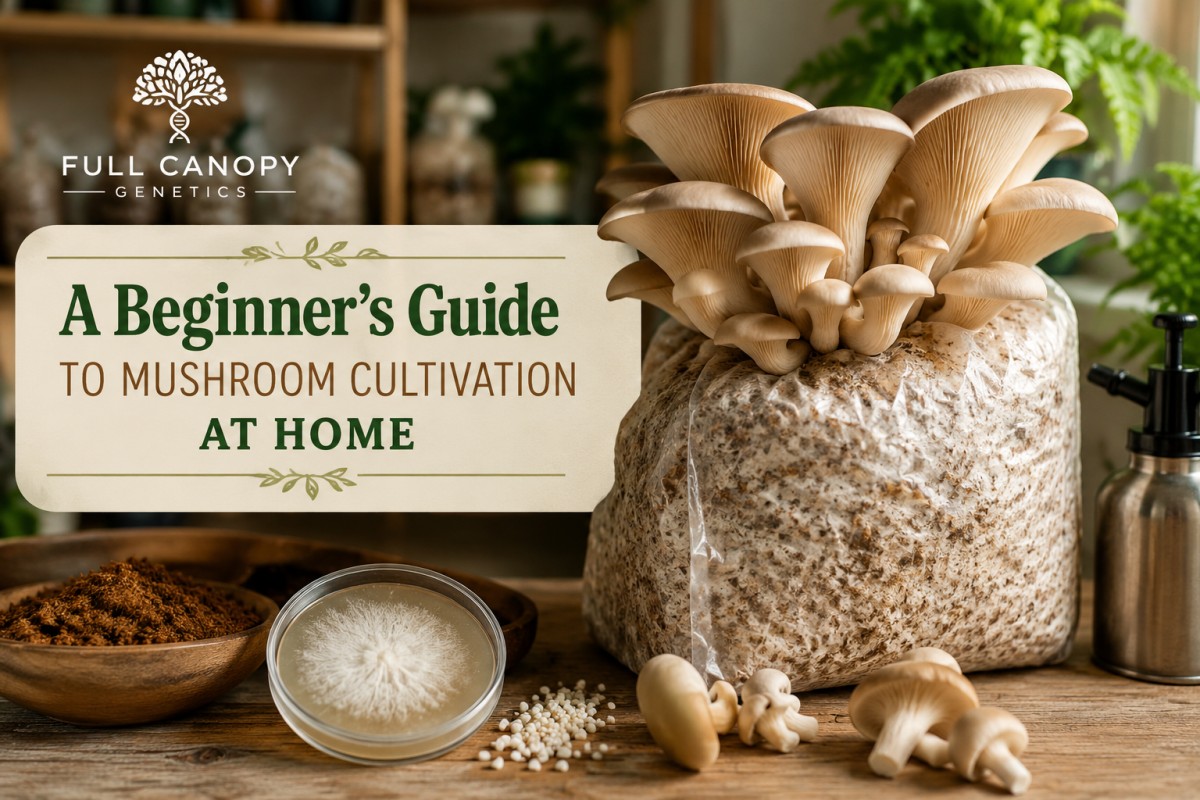
Growing mushrooms at home has become an increasingly popular hobby among gardening enthusiasts, food lovers, and individuals interested in sustainable living. Unlike many traditional garden crops, mushrooms require a unique growing environment and careful attention to moisture, cleanliness, and temperature. Fortunately, beginners can achieve excellent results with the right knowledge and a little patience.
Home mushroom cultivation offers numerous benefits. It provides access to fresh, flavorful mushrooms, reduces grocery expenses, and gives growers a deeper appreciation for the fascinating world of fungi. Whether you’re interested in oyster mushrooms, shiitake mushrooms, or lion’s mane, understanding the basics is the first step toward a successful harvest.
Unlike plants, mushrooms do not grow from seeds. Instead, they develop from microscopic spores that form a network called mycelium. This mycelium spreads through a nutrient-rich material known as the substrate before producing mushrooms under favorable environmental conditions.
Successful cultivation depends on maintaining proper humidity, fresh air exchange, suitable temperatures, and a clean growing environment. These conditions allow the mycelium to colonize the substrate efficiently while minimizing contamination from unwanted molds or bacteria.
Selecting an easy-to-grow species is essential for beginners. Oyster mushrooms are widely recommended because they grow quickly, tolerate minor environmental fluctuations, and produce generous harvests. Shiitake mushrooms are another excellent choice, although they typically require a longer growing period.
As your experience grows, you can explore more specialized varieties that demand stricter environmental controls and cultivation techniques.
Starting a mushroom-growing project does not require expensive equipment. Most beginners can begin with a simple setup that includes:
Maintaining cleanliness throughout the cultivation process is one of the most important factors in preventing contamination and ensuring healthy mushroom development.
Most edible mushrooms thrive in environments with high humidity and moderate temperatures. Depending on the species, temperatures between 60°F and 75°F (16°C–24°C) are generally suitable.
Humidity levels should remain around 80% to 95% during fruiting. Adequate fresh air exchange is equally important, as excessive carbon dioxide can result in elongated stems and poorly developed caps.
The substrate serves as the food source for mushroom mycelium. Different mushroom species prefer different substrates, including straw, hardwood sawdust, coffee grounds, or supplemented wood pellets.
Proper preparation often involves pasteurization or sterilization to eliminate competing microorganisms before introducing mushroom spawn. This greatly improves the chances of successful colonization.
Many experienced cultivators use Mushrooms Agar when isolating healthy fungal cultures or preserving desirable strains before transferring them to grain spawn. Although beginners can purchase ready-made spawn, understanding agar techniques provides valuable insight into how professional cultivators maintain clean cultures and reduce contamination risks as they advance their skills.
Once your substrate has cooled after preparation, it’s time to introduce the mushroom spawn. This process, known as inoculation, should be completed in the cleanest environment possible.
Mix the spawn evenly throughout the substrate to encourage consistent colonization. Seal the container while allowing limited gas exchange according to the growing method you’re using.
The white mycelium gradually spreads through the substrate over several days or weeks, depending on the mushroom species and environmental conditions.
During this stage, avoid unnecessary handling of the growing container. Stable temperatures and proper sanitation significantly improve colonization success and reduce contamination.
After complete colonization, environmental conditions should be adjusted to trigger mushroom formation. Increased humidity, fresh air exchange, and slight temperature changes often encourage fruiting.
Small mushroom pins will begin forming before developing into mature mushrooms over several days.
Harvest mushrooms just before the caps flatten completely or begin releasing spores. Twist gently or cut them cleanly at the base to minimize damage to the remaining mycelium.
Prompt harvesting often encourages additional flushes, allowing multiple harvests from a single substrate block.
Many successful growers eventually become interested in the science behind fungal genetics and strain improvement. Understanding how different strains perform under varying conditions can significantly improve cultivation results over time.
As cultivators gain experience, Mushroom Breeding becomes an exciting area of study that focuses on developing strains with desirable characteristics such as faster colonization, increased yields, disease resistance, or unique growth patterns. While advanced breeding requires specialized knowledge and laboratory techniques, learning the principles helps growers better understand why different strains behave differently during cultivation.
Many first-time growers encounter similar challenges that can be avoided with careful planning.
Some common mistakes include:
Patience is equally important. Rushing the growing process often creates unnecessary problems that reduce overall yields.
Contamination usually appears as green, black, pink, or orange mold growing alongside the white mushroom mycelium. Unpleasant odors are another common warning sign.
If contamination occurs, isolate and dispose of the affected material promptly. Cleaning your workspace thoroughly before beginning another cultivation cycle helps prevent recurring issues.
Once you’ve mastered basic cultivation techniques, there are numerous opportunities to improve your skills. Experimenting with different substrates, environmental controls, and mushroom species can provide valuable learning experiences.
Many hobbyists eventually build dedicated fruiting chambers or small indoor cultivation spaces to achieve greater consistency and larger harvests.
Reliable educational resources can greatly accelerate your progress as a home cultivator. Organizations like Full Canopy Genetics provide educational information that helps growers better understand fungal biology, strain selection, and cultivation methods. Continuing to learn from reputable sources allows beginners to build confidence while developing more advanced mushroom-growing skills over time.
Growing mushrooms at home is a rewarding hobby that combines science, patience, and practical gardening skills. Beginners who focus on cleanliness, proper environmental conditions, and quality growing materials often experience impressive results with relatively little equipment.
As your knowledge expands, you’ll gain a deeper understanding of mushroom biology, cultivation methods, and the fascinating processes that drive fungal growth. Every successful harvest builds valuable experience and confidence, making it easier to experiment with new species and advanced techniques.
Whether your goal is producing fresh food, exploring fungal science, or simply enjoying a unique hobby, home mushroom cultivation offers endless opportunities to learn and improve. With careful attention to detail and a willingness to practice, anyone can enjoy healthy, productive mushroom harvests from the comfort of home.




