
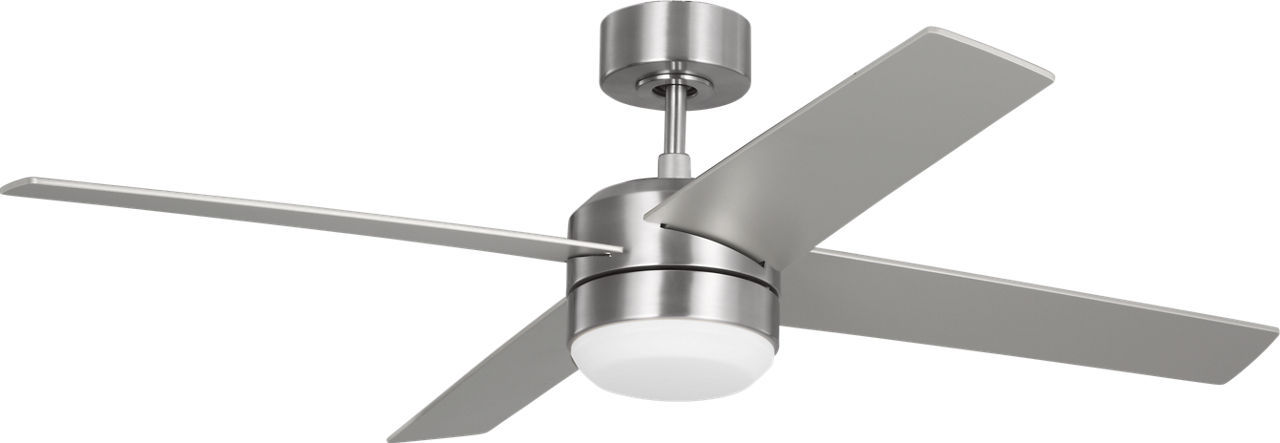

Choosing the right fan for your home is an important step toward creating a comfortable and pleasant living space. A good fan helps improve airflow, keeps rooms feeling fresh, and supports everyday comfort throughout the year. With many styles, sizes, and designs available, homeowners can choose a fan that matches their room size, ceiling height, interior design, and personal needs. From living rooms and bedrooms to kitchens and outdoor spaces, the right fan can make a noticeable difference in how a room feels.
When comparing different ceiling fans, it is helpful to understand how fan size, motor quality, airflow, energy use, and design affect performance. Some fans are made for large rooms, while others work best in smaller spaces. Learning about these features makes it easier to select a fan that fits your home and daily routine. This complete guide explains the main factors to consider when choosing a fan, helping you make a practical and informed decision.
Understanding the Different Types of Ceiling Fans
Ceiling fans are available in several types to suit different rooms and home layouts. Standard ceiling fans are commonly used in bedrooms, living rooms, and dining areas because they provide steady airflow from above. Low-profile fans are designed for rooms with lower ceilings, allowing homeowners to enjoy air circulation while maintaining suitable headroom. Extended downrod fans are useful for rooms with high ceilings because they position the fan at a more effective height.
Other options include outdoor-rated fans, smart fans, and fans with built-in lights. Outdoor-rated models are designed for suitable covered patios, porches, and other spaces, depending on their specific moisture rating. Smart fans can offer convenient controls through compatible devices or home automation systems. Fans with integrated lighting combine two useful features in one fixture, making them a practical option for rooms where ceiling space is limited. Understanding these types helps you choose a fan that matches the purpose and layout of each room.
How to Choose the Right Ceiling Fan Size
Fan size is one of the most important factors to consider when shopping for a new fan. A fan that is too small may not circulate enough air throughout a large room, while a fan that is too large may look out of proportion in a compact space. The goal is to select a fan that provides suitable airflow while fitting comfortably within the room.
For small rooms, such as compact bedrooms or home offices, a fan with a blade span of around 29 to 42 inches may be suitable. Medium-sized rooms often work well with fans measuring approximately 44 to 50 inches. Larger living rooms and open spaces may benefit from fans with a blade span of 52 inches or more. These measurements are general guidelines, so room dimensions, furniture placement, ceiling height, and the manufacturer’s recommendations should also be considered. Measuring your room before buying helps you select a fan that offers a good balance of comfort and appearance.
Choosing the Best Ceiling Fan for Each Room
Every room has different airflow requirements, so choosing a fan based on its intended location is a sensible approach. In a bedroom, quiet operation and comfortable airflow are especially important because the fan may run throughout the night. A model with several speed settings allows you to adjust the airflow according to the temperature and your sleeping preferences. A remote control can also make it easier to change settings without getting out of bed.
In living rooms, fan size and design often play a larger role because these spaces may be bigger and used by several people. A suitable fan can improve air circulation while complementing the room’s furniture and decoration. Kitchens may benefit from fans that are easy to clean and suitable for the room’s conditions. For dining rooms, consider the position of the table, ceiling height, and lighting arrangement when selecting a fan. Choosing the right model for each space helps create a consistent and comfortable home environment.
Exploring the Design Options for Ceiling Fans
The design of a fan can have a major influence on the overall appearance of a room. Modern ceiling fans are available in many finishes, including white, black, brushed metal, natural wood tones, and other decorative styles. A simple design can complement a clean, modern interior, while wooden blades may suit traditional, rustic, or nature-inspired spaces. Choosing a finish that works with your existing furniture, wall colors, and lighting can help create a balanced appearance.
Blade design also affects the visual character of a fan. Some models feature broad blades with a traditional appearance, while others have slimmer blades and a more contemporary shape. Fans with integrated lights can provide both illumination and air movement, making them useful in multipurpose rooms. Before making a decision, consider the room’s size, ceiling height, and overall decoration. A well-matched fan can serve as both a practical household fixture and an attractive part of the interior design.
What to Know About Hunter Ceiling Fans
When researching different fan options, homeowners may come across Hunter ceiling fans while comparing styles, sizes, and features. Understanding what to look for in a fan is more useful than choosing a model based on its name alone. Important considerations include airflow performance, motor operation, available speed settings, installation requirements, and suitability for the intended room.
Before selecting a particular model, review its technical specifications and installation instructions. Check the blade span, ceiling clearance, motor type, lighting features, and control options. If you are comparing Hunter ceiling fans with other available options, use the same criteria for each model so you can make a fair comparison. Consider whether the fan fits your room, meets your comfort requirements, and offers the features you will actually use. This approach helps you make a choice based on practical needs and long-term value.
Energy Efficiency and Motor Performance
Energy efficiency is another important factor when selecting a fan for your home. Fans with efficient motors can provide useful airflow while consuming relatively little electricity. Brushless DC motors, for example, are often designed to operate efficiently and may offer several speed settings. However, actual energy use depends on the specific model, selected speed, and operating conditions.
Look for information about the fan’s power consumption and airflow performance before buying. Comparing airflow per watt can help you understand how efficiently a fan moves air. If you plan to use the fan for many hours each day, even small differences in electricity consumption may become meaningful over time. Turning off the fan when a room is empty can also help reduce unnecessary energy use. Fans cool people by moving air across the skin rather than significantly lowering the room temperature, so using them alongside suitable temperature controls can support a comfortable home environment.
Ceiling Height and Safe Installation
Ceiling height should always be considered before choosing a fan. A fan must be installed at a safe height with sufficient clearance between the blades, the floor, nearby walls, and other objects. For many residential installations, the blades should generally be at least 7 feet above the floor, although local building requirements and the manufacturer’s instructions should always be followed.
Rooms with high ceilings may require an appropriate downrod to position the fan correctly. For lower ceilings, a low-profile model may provide a better fit. The fan should be attached to an electrical box or support structure rated for ceiling fan installation. A standard light-fixture box may not provide the necessary support. If electrical work or structural changes are required, use a qualified electrician or installer. Proper installation supports safe operation, stable performance, and comfortable airflow.
Smart Controls and Convenient Features
Modern fans may include features that make daily use easier. Remote controls allow users to change fan speed, switch integrated lights on or off, and adjust other supported settings from across the room. Wall controls can be useful for households that prefer a fixed control point, while compatible smart fans may support app-based operation or voice commands.
Some models also include timers, reversible motors, and adjustable light settings. A timer can help manage how long a fan operates, particularly during bedtime routines. Reversible operation can help circulate air differently depending on the season and the room’s heating or cooling arrangement. Before purchasing a smart fan, confirm that its connectivity features work with your preferred devices and home network. Choosing features that suit your daily routine can improve convenience without adding unnecessary complexity.
Maintenance Tips for Long-Lasting Performance
Regular maintenance helps keep a fan clean and operating smoothly. Dust can collect on the blades and motor housing over time, so cleaning the fan periodically helps maintain its appearance and reduces dust falling onto furniture. Always switch off the fan and follow the manufacturer’s safety instructions before cleaning. Use a suitable cloth or cleaning tool, and avoid applying excessive pressure to the blades.
It is also helpful to pay attention to unusual noises, excessive movement, or changes in performance. Check accessible screws and fittings according to the manufacturer’s maintenance guidance, and arrange professional assistance if the fan appears unstable or develops an electrical problem. Avoid using harsh cleaning products that may damage the finish. A simple maintenance routine can help preserve the fan’s appearance and support reliable operation over the years.
Setting a Budget for Your New Ceiling Fan
Setting a budget before shopping can make the selection process easier. Fan prices vary according to size, motor technology, materials, lighting options, control systems, and overall design. Basic models may meet the needs of smaller rooms, while larger or feature-rich models may cost more. The most expensive option is not always the best choice for every home.
When comparing prices, consider the total cost rather than the purchase price alone. Installation, additional controls, replacement parts, and electricity consumption may also affect the overall value. Check the warranty terms and availability of customer support before making a purchase. If you are comparing ceiling fans from different manufacturers, focus on airflow, safety, energy use, durability, and suitability for your room. A well-chosen fan should meet your practical needs and fit comfortably within your budget.
Conclusion
Choosing the right fan for your home becomes much easier when you understand the main factors that influence comfort, performance, and appearance. Room size, blade span, ceiling height, motor efficiency, noise levels, design, and control features all help determine which fan is most suitable for your space. Taking accurate measurements and reviewing product specifications before buying can help you make a confident decision.
Whether you are selecting a fan for a bedroom, living room, kitchen, or outdoor area, focus on the features that matter most to your household. Comparing different ceiling fans using consistent criteria can help you find a suitable balance of airflow, efficiency, and style. You can also evaluate Hunter ceiling fans alongside other options by reviewing their specifications and matching their features to your requirements. With careful planning and proper installation, the right fan can contribute to a comfortable, attractive, and practical home for years to come.



