Physical Address
304 North Cardinal St.
Dorchester Center, MA 02124
Physical Address
304 North Cardinal St.
Dorchester Center, MA 02124

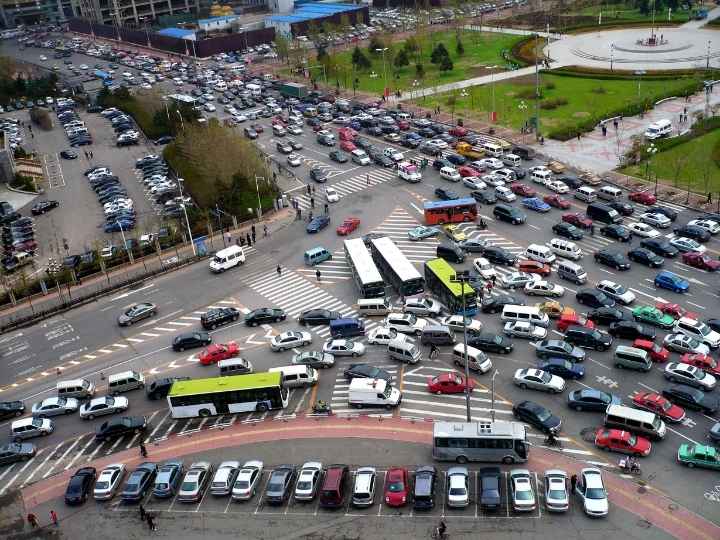
Work zones can create unexpected risks for motorists, pedestrians, cyclists and workers when normal traffic patterns are changed. Clear planning helps everyone understand how vehicles and people should move around temporary hazards. A basic traffic management plan can establish practical measures that reduce confusion, improve visibility and create safer movement through areas where construction or maintenance activities are taking place.
One of the main purposes of traffic management is to control how vehicles approach, pass through and leave a work zone. Even a relatively small project can create risks when lanes are narrowed, traffic is diverted or vehicles need to enter and exit the site.
A well planned approach can identify suitable entry and exit points, temporary traffic routes and areas where vehicles may need to slow down. This helps prevent sudden lane changes and reduces the likelihood of vehicles coming into contact with workers, equipment or pedestrians.
Traffic controllers, signs and temporary barriers can also guide drivers through changed conditions. When these measures are positioned correctly, road users have more time to understand what is happening and respond appropriately.
Drivers may become uncertain when familiar roads suddenly look different. Temporary signs, lane changes and construction equipment can make it difficult to determine which direction to follow.
A clear traffic arrangement provides consistent instructions. Warning signs should be visible from an appropriate distance and placed where drivers have enough time to react. Where necessary, speed restrictions can encourage motorists to approach the work zone more cautiously.
Consistency is particularly important when several control measures are being used together. Signs, traffic controllers, barriers and temporary road markings should communicate the same message rather than creating conflicting instructions.
Workers operating close to moving vehicles face significant risks. Construction workers, utility crews, maintenance teams and other personnel may need to work within areas where traffic cannot be completely removed.
A traffic management plan can help separate workers from vehicles by identifying safe working areas and appropriate traffic control measures. Physical barriers may provide additional protection where suitable, while clearly defined exclusion areas can help prevent workers from accidentally entering active traffic paths.
Vehicle movement within the work site should also be considered. Delivery trucks, machinery and service vehicles can create additional hazards when they move between the road and the work area. Establishing controlled routes can make these movements more predictable.
Visibility plays an important role in work zone safety. Workers need to be seen by motorists, while drivers and pedestrians need to recognise signs, barriers and changes to the road environment.
Appropriate lighting may be required when work continues during low light conditions. High visibility clothing can also help workers remain noticeable, particularly around moving vehicles and machinery.
Keeping signs and visibility areas clear of unnecessary equipment, materials and vegetation can further improve awareness. Regular checks are useful because conditions can change as construction progresses.
Traffic management should not focus only on vehicles. Pedestrians and cyclists may need to navigate around temporary obstacles, closed footpaths or altered crossings.
A suitable plan can identify safe alternative paths and ensure that pedestrians are not forced into unsafe areas. Temporary walkways should be kept clear, stable and easy to follow where they are required.
Cyclists may also need specific consideration when road space is restricted. Abrupt diversions, uneven surfaces and poorly positioned barriers can create additional hazards. Providing clear directions and maintaining suitable separation can make the temporary arrangement easier to navigate.
Every work zone has different conditions. A residential street may require different controls from a busy commercial road, school zone or major arterial route.
The type of work, expected traffic volume, road layout, pedestrian activity and duration of the project should all influence the traffic arrangements. Considering these factors helps ensure that safety measures are appropriate rather than relying on a standard approach for every location.
Work zones rarely remain exactly the same throughout a project. Machinery may move, excavation areas may change and temporary access points may be relocated.
Traffic controls should therefore be reviewed whenever site conditions change. A plan that was suitable during the initial stage may require adjustments later.
Regular inspections can identify damaged signs, displaced barriers, blocked pedestrian paths or other issues that could affect safety. Promptly correcting these problems can prevent small issues from becoming serious hazards.
Everyone involved in the project should understand the traffic arrangements and any changes made to them. Workers need to know where vehicles and pedestrians are expected to move, while traffic controllers should understand their responsibilities.
Clear communication can reduce mistakes and help workers respond more effectively when unexpected situations occur. Site inductions, toolbox discussions and regular updates can support consistent implementation of traffic controls.
Traffic management does not always require an unnecessarily complicated system. The most effective approach is one that identifies realistic hazards and provides practical controls for the specific work environment.
A basic plan can address important issues such as vehicle movement, pedestrian access, worker protection, signage, speed control and site entry points. When these elements are considered together, road users receive clearer guidance and workers have a more controlled environment in which to perform their duties.
The effectiveness of any plan depends on proper implementation. Signs must be positioned correctly, barriers need to remain effective and traffic controls should be monitored throughout the work. Workers and contractors also need to follow established procedures rather than making informal changes that could introduce new risks.
Yes. A well prepared plan can reduce confusion, control vehicle movement, protect workers and provide safer routes for pedestrians and cyclists. Its effectiveness depends on appropriate planning, implementation and ongoing monitoring.
It may include temporary traffic routes, warning signs, speed controls, pedestrian arrangements, vehicle access points, barriers, traffic controllers and procedures for managing changing site conditions.
Construction sites can introduce hazards that are not normally present on a road. Traffic management helps control interactions between vehicles, pedestrians, workers and equipment while work is underway.
Yes. Conditions can change as work progresses. Regular reviews can help identify new hazards and ensure that signs, barriers, routes and other controls remain suitable for the current stage of the project.




