Physical Address
304 North Cardinal St.
Dorchester Center, MA 02124
Physical Address
304 North Cardinal St.
Dorchester Center, MA 02124

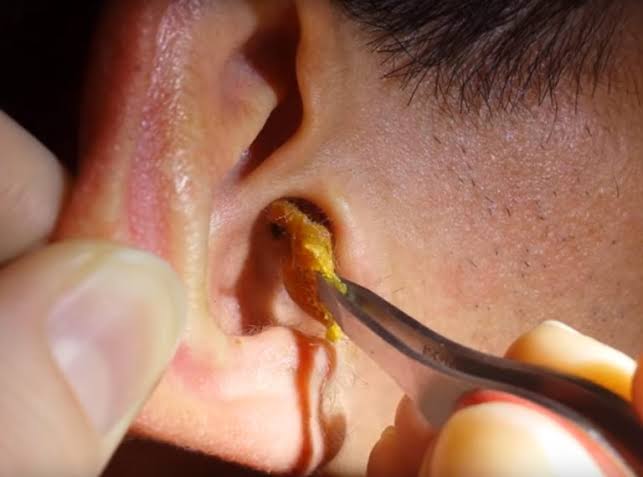
If you’ve ever felt like your ears are blocked or your hearing suddenly seems muffled, you may assume you need to clean them. For many people, the first thing they reach for is a cotton swab.
Cotton swabs are commonly used to clean the ears, but inserting them into the ear canal can actually contribute to ear wax buildup. Instead of removing wax, they can push it deeper into the ear, where it may become impacted.
So, if you’re experiencing a blocked ear, should you stop using cotton swabs? In most cases, yes. Understanding how earwax works and why cotton swabs can cause problems can help you take better care of your ears.
Earwax, medically known as cerumen, is a natural substance produced inside the ear canal. Although it is often viewed as something dirty that needs to be removed, earwax has several important functions.
It helps:
Healthy ears generally don’t need frequent cleaning inside the ear canal. Earwax gradually moves toward the outer part of the ear as part of the ear’s natural self-cleaning mechanism.
Problems can develop when wax accumulates faster than the ear can naturally remove it.
The main problem with cotton swabs is that they don’t necessarily remove wax from the ear.
When you insert a cotton swab into the ear canal, the tip can push wax farther inside. Repeated use can gradually pack the wax deeper and make it harder for the ear to naturally move it outward.
Over time, this can result in a firm blockage known as impacted earwax.
The deeper the wax is pushed, the more difficult it may be to remove safely. This is one reason professional ear wax removal may be recommended when a blockage develops.
A small amount of wax inside the ear usually isn’t a problem. But when wax becomes impacted and blocks the ear canal, it can cause noticeable symptoms.
These may include:
Earwax can sometimes cause temporary hearing loss because it physically blocks sound from traveling through the ear canal.
However, not every case of hearing loss or ear blockage is caused by wax. Ear infections, fluid, eardrum problems, and other hearing conditions can produce similar symptoms. That’s why persistent symptoms should be evaluated rather than assuming that more cleaning is the solution.
Yes. In addition to pushing wax deeper, cotton swabs can irritate the sensitive skin lining the ear canal.
If a cotton swab is inserted too deeply or accidentally pushed into the ear, it may cause:
The ear canal is delicate, so household objects should not be used to scrape or dig out wax.
Even if you have used cotton swabs for years without a problem, that doesn’t mean they are a safe method for cleaning inside the ear.
You don’t necessarily need to stop using cotton swabs for every purpose. The important distinction is where you use them.
Cotton swabs should not be inserted into the ear canal to remove wax.
If you want to clean your ears, you can gently wipe the outer ear with a soft cloth. There is generally no need to place anything inside the canal.
Your ears are designed to move excess wax toward the opening naturally.
If you think you have excessive or impacted earwax, resist the temptation to keep using cotton swabs.
Depending on your individual ear health, an audiologist Charlotte NC or healthcare professional may recommend an appropriate ear wax removal method.
A professional can examine your ear canal to determine whether wax is actually causing the blockage.
Depending on the situation, excess wax may be removed using specialized instruments, suction, or another appropriate technique.
Professional removal can be especially helpful when the wax is hard, deeply impacted, or causing significant hearing changes.
In some cases, earwax-softening drops may help loosen wax and make it easier to remove naturally or professionally.
However, ear drops aren’t appropriate for everyone. People with a perforated eardrum, ear tubes, previous ear surgery, ear drainage, or certain ear conditions should seek professional advice before using ear drops.
If you can see wax near the entrance of the ear, it may be tempting to remove it with a fingernail, hairpin, or another object.
Avoid doing this.
Trying to physically scrape wax from the ear canal can push it deeper or injure the skin. Professional ear wax removal is a safer option when wax is impacted or difficult to reach.
Ear candling is another method sometimes promoted for removing earwax. However, it isn’t a recommended solution.
Ear candles don’t provide a reliable way to remove impacted wax and can cause burns or other injuries.
Similarly, avoid online hacks that involve inserting objects, applying unverified substances, or using excessive pressure to clean the ear.
When it comes to your ears, a simple approach is usually best.
You don’t need to remove every bit of earwax to keep your ears healthy.
Instead:
Avoid inserting objects into the ear canal. This includes cotton swabs, hairpins, keys, and other household items.
Clean the outer ear only. Use a soft, damp cloth around the outside of the ear.
Don’t over-clean your ears. Frequent cleaning can irritate the ear canal and may contribute to problems.
Take care of earbuds and hearing devices. If you regularly wear earbuds or hearing aids, keep them clean according to the manufacturer’s recommendations.
Get professional advice for recurring buildup. If you frequently develop impacted wax, an audiologist can  help determine an appropriate ear-care routine.
Not every case of earwax buildup requires professional treatment. However, you should consider having your ears examined if you experience persistent or significant symptoms.
Contact an audiologist or healthcare professional if you have:
If you’re unsure whether wax is responsible for your symptoms, an examination can help identify the actual cause.
Yes, cotton swabs can contribute to ear wax buildup. Rather than removing wax from the ear canal, they can push it deeper and cause it to become impacted.
Earwax is a normal and protective part of ear health, so the goal isn’t to remove all of it. For most people, gently cleaning the outer ear and leaving the ear canal alone is enough.
If you have muffled hearing, ear fullness, discomfort, or other symptoms that suggest a blockage, don’t keep reaching for a cotton swab. A professional ear wax removal evaluation can determine whether wax is causing the problem and help you choose the safest way to address it.
Taking a gentle approach to ear care can help protect your ear canal, reduce the risk of injury, and keep your hearing healthy.




