Physical Address
304 North Cardinal St.
Dorchester Center, MA 02124
Physical Address
304 North Cardinal St.
Dorchester Center, MA 02124

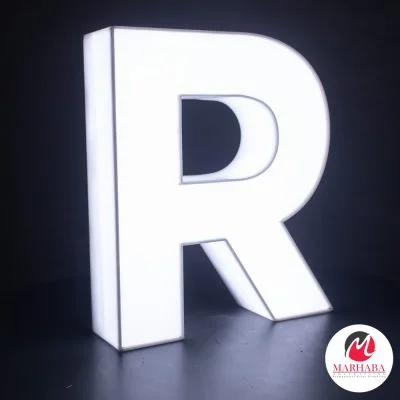
Anyone who’s put up a sign in this city and watched it fade, crack, or peel within a year knows the problem isn’t the design — it’s the material. Dubai’s heat, humidity spikes, sandstorms, and months of relentless sun put outdoor signs through a stress test that most cities never see. If you’re weighing options for your storefront, it’s worth understanding what actually holds up here before you commit to anything, and a good place to start is looking at what outdoor signage options are built specifically to handle this kind of environment.
The Sun Is the Real Enemy
People usually blame sandstorms or the occasional heavy rain for sign damage, but UV exposure is the bigger culprit over time. Cheap acrylics and low-grade vinyl prints start yellowing or fading within months under direct sun here, especially on west-facing shopfronts that catch the harshest afternoon light. Once the colors go dull, a sign stops doing its job — people stop noticing it, no matter how good the original design was.
Stainless steel handles this far better, which is why you’ll see it used so often on storefronts along busy roads. It doesn’t fade, it doesn’t warp in the heat, and it keeps its finish for years with almost no maintenance. It costs more upfront than acrylic or vinyl, but the lifespan makes up for it, especially if your sign is going somewhere hard to access for replacements.
Heat Changes How Illuminated Signs Perform Too
If you’re going with an illuminated sign — front-lit, back-lit, or a lightbox — the internal components matter as much as the exterior. LED modules rated for high ambient temperatures last considerably longer than standard ones, which tend to dim or fail early when they’re baking behind an acrylic face in direct sun all day. It’s a detail a lot of business owners don’t think to ask about, but it’s the difference between a sign that still looks sharp in three years and one that’s noticeably dimmer after just one summer.
Sand and Dust Are a Maintenance Issue, Not Just a Design One
Textured surfaces and recessed lettering tend to trap dust more than smooth, flush designs. It’s not a dealbreaker, but it does mean some sign styles need more regular cleaning to stay looking sharp, particularly if your location is near a construction site or an open road. Push-through lettering and flat-faced lightboxes are generally easier to wipe down than heavily dimensional 3D letters with a lot of edges and gaps.
Material Choice Also Affects Installation
Heavier materials like stainless steel need sturdier mounting and, depending on the size and location, sometimes structural reinforcement to handle wind load — which matters more than people expect given how strong gusts can get here during shamal winds. Lighter acrylic and aluminum composite signs are easier and faster to install, which can matter if you’re working with a tight opening timeline for a new store.
Getting the Balance Right
There’s no single “best” material for every situation — it depends on your budget, outdoor signage exposure to sun and wind, and how long you want the sign to last before a refresh. A well-made acrylic sign with UV-resistant coating can still last several years if it’s not in a brutal sun-facing spot. Stainless steel and back-illuminated builds are the safer long-term bet for high-traffic, high-exposure locations.
The smartest move is having someone walk your location and actually assess sun exposure, wind exposure, and visibility before recommending a material — rather than defaulting to whatever’s cheapest or trendiest. That’s the kind of conversation worth having before you spend money on a sign you’ll be looking at every day for the next five years.




