Physical Address
304 North Cardinal St.
Dorchester Center, MA 02124
Physical Address
304 North Cardinal St.
Dorchester Center, MA 02124

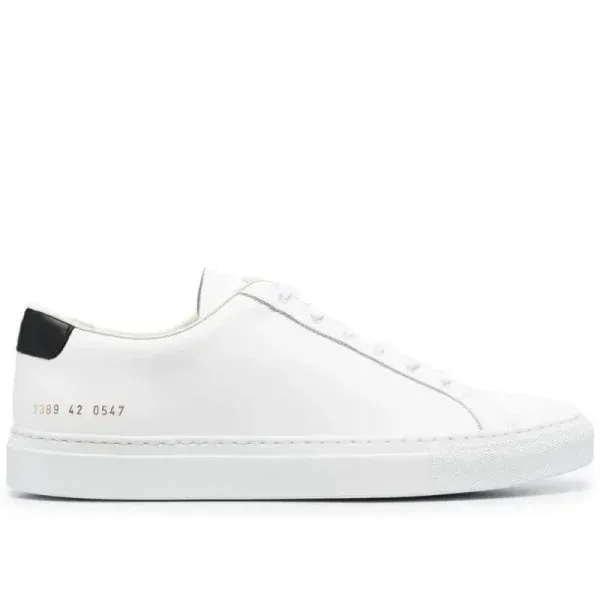
Luxury footwear is often associated with recognizable logos, distinctive patterns, and bold visual statements. Common Projects approaches the category differently. The brand has developed its identity through minimalist silhouettes, restrained branding, and carefully considered details that allow the design itself to take center stage.
For fashion enthusiasts exploring common projects sneakers, this understated aesthetic offers an alternative to footwear built around prominent logos or seasonal trends. The shoes are designed to complement an outfit rather than dominate it, making them relevant to people who appreciate simplicity and versatility.
The Common Projects Achilles illustrates this philosophy particularly well. Its streamlined shape and discreet numerical heel stamp have become recognizable features within contemporary luxury footwear.
In 2026, understanding Common Projects means looking beyond the appearance of an individual sneaker. Its identity also reflects a broader approach to fashion: creating recognition through consistency, thoughtful design, and a clear visual language.
Common Projects was founded in 2004 by Prathan Poopat and Flavio Girolami. The brand established itself in the luxury footwear market with a design approach centered on simplicity and subtle distinction.
Rather than making large logos the defining feature of its shoes, Common Projects uses clean silhouettes and restrained identifying details. This approach allows the footwear to remain visually understated while retaining a recognizable identity.
The brand’s appeal is closely connected to the idea that luxury does not always need to be immediately obvious. Material choices, proportions, and finishing details can contribute to a product’s character without requiring conspicuous decoration.
This design philosophy has helped Common Projects become associated with minimalist luxury footwear and the wider conversation around understated personal style.
The Common Projects Achilles, particularly the Achilles Low, is one of the brand’s signature models. Its simple exterior and low-profile shape make it a clear expression of the label’s design approach.
The model demonstrates how a limited number of visual elements can create a recognizable product. Instead of relying on elaborate graphics, the Achilles uses its silhouette, construction details, and numerical heel stamp to establish its identity.
The Achilles has a streamlined appearance that works with a variety of casual clothing. Its low-cut profile can be paired with denim, chinos, and tailored trousers, depending on the fit and formality of the outfit.
Because the design is relatively restrained, small differences in proportion can influence its overall appearance. The relationship between the toe, sole, and upper helps define the shoe’s visual character.
The numerical stamp on the heel is one of the Achilles’ most recognizable details. It offers a subtle point of distinction while preserving the clean exterior.
This is central to the brand’s visual identity. Recognition comes from a combination of shape and detail rather than an oversized logo across the side of the shoe.
The Achilles can serve as a quiet foundation for an outfit. It can complement statement outerwear, textured knitwear, or carefully selected accessories without competing for attention.
This flexibility is one reason minimalist sneakers remain relevant to people who prefer building a wardrobe around complementary pieces instead of highly coordinated trends.
A recognizable brand identity develops through repeated visual choices. In the case of Common Projects, those choices include restrained branding, clean shapes, and a consistent minimalist sensibility.
When a brand maintains a recognizable design direction, customers can begin to associate certain visual characteristics with its products.
For Common Projects, the combination of understated silhouettes and discreet identifying details contributes to this recognition. The Achilles is a prominent example, but the wider appeal of the brand is connected to its overall minimalist approach.
Consistency does not mean that every model is identical. Different silhouettes, colors, and materials can offer variation while remaining connected to the same broad aesthetic.
Some consumers prefer products that communicate their identity through design rather than prominent logos. Minimalist footwear can support this preference by keeping branding and decoration relatively restrained.
Common Projects sneakers can therefore appeal to shoppers who want their footwear to integrate naturally with an outfit. The result is not necessarily an absence of luxury signals, but a different way of expressing them.
In a simple design, small details can carry considerable visual importance. The heel stamp, silhouette, and finishing become more noticeable because there are fewer decorative elements competing for attention.
For shoppers, these details can help identify a model. They should not, however, be treated as independent proof of authenticity or as a guarantee of construction quality.
Quiet luxury is often used to describe clothing and accessories that emphasize restrained design, subtle branding, and materials rather than obvious displays of logos.
Common Projects shares some of these aesthetic characteristics. Its sneakers can fit into wardrobes built around neutral colors, clean tailoring, and simple everyday clothing.
However, quiet luxury is a broad fashion description rather than a precise product category. Not every minimalist item is necessarily luxurious, and understated branding alone does not establish material quality or value.
For consumers, the useful distinction is between appearance and evidence. A minimalist design may suit a particular personal style, but buyers should still evaluate the product’s materials, construction, fit, and price.
Common Projects’ identity is therefore best understood through its specific design choices rather than through a trend label alone.
The understated appearance of Common Projects sneakers makes them adaptable, but successful styling still depends on proportion, color, and occasion.
For a relaxed look, pair the Achilles with straight-leg jeans, a plain T-shirt, and a lightweight jacket. The simple sneaker supports the outfit without adding unnecessary visual complexity.
White sneakers can provide contrast with darker denim, while black options can create a more continuous look with dark trousers.
Chinos, a button-down shirt, and minimalist sneakers create a balanced smart-casual combination. A neutral color palette can make the outfit feel cohesive without looking overly coordinated.
Pay attention to trouser length. A hem that sits neatly above the shoe allows its silhouette to remain visible, while excessive fabric can obscure the design.
Common Projects sneakers can complement unstructured blazers, casual suits, and tailored trousers with a relaxed finish.
The combination works best when the clothing and footwear share a similar level of formality. For strict business dress codes or formal ceremonies, traditional dress shoes may be more appropriate.
White, black, and muted neutral sneakers can work with many wardrobe colors. Before choosing a pair, consider the clothing you already wear most often.
A versatile color is not automatically the right choice if it does not suit your wardrobe or maintenance preferences. White footwear, for example, may require more frequent attention to visible dirt and marks.
Brand identity can influence a purchase, but it should not replace practical evaluation. Before investing in Common Projects sneakers, shoppers should examine the individual product and consider whether it meets their needs.
Check the product description for details about the upper, lining, and sole. Material specifications may vary between models, so avoid assuming that every pair uses the same construction.
If a retailer provides limited information, ask for clarification before ordering.
Sizing can vary between brands and individual shoe designs. Review the current sizing guidance and consider your foot shape, preferred sock thickness, and desired room around the toes.
Where possible, try the shoes on and walk around briefly. The heel should feel secure, and the fit should not create uncomfortable pressure.
Luxury pricing reflects a product’s position in the market, but it does not automatically make the product the right choice for every consumer.
Consider how often you will wear the shoes, whether they complement your wardrobe, and how their price compares with your budget and expectations.
Buy from a seller with clear business information, credible customer-service options, and a transparent return policy.
For secondhand purchases, examine the condition of the upper, sole, heel, and interior. Ask for clear photographs and retain purchase documentation.
The numerical stamp and other recognizable details can help with comparison, but no single feature proves that a pair is authentic.
Maintaining minimalist sneakers is important because their simple appearance can make dirt, scuffs, and creasing more noticeable.
For leather footwear, begin with a soft brush or cloth to remove loose dirt. Use care products suitable for the specific material and follow the manufacturer’s instructions.
Avoid soaking the shoes or drying them near direct heat. If they become wet, allow them to dry naturally in a well-ventilated space.
A practical maintenance routine includes:
Removing surface dirt after wearing the shoes.
Allowing them to air out between uses.
Storing them in a dry place away from prolonged direct sunlight.
Using suitable shoe trees if desired to help preserve their shape.
Addressing stains with an appropriate cleaning method.
Regular care can help maintain the appearance of the footwear, although it cannot prevent all signs of wear.
Common Projects and logo-driven sneaker brands offer different approaches to visual identity. Neither approach is automatically better; the right choice depends on personal taste and intended use.
| Design consideration | Common Projects aesthetic | Logo-driven sneaker aesthetic |
|---|---|---|
| Branding | Generally restrained | Often more prominent |
| Visual emphasis | Silhouette and subtle details | Logos, graphics, or distinctive design elements |
| Styling approach | Often suited to understated outfits | Can serve as a statement piece |
| Personal preference | Appeals to fans of minimalism | Appeals to shoppers who enjoy visible branding |
This comparison describes broad aesthetic tendencies rather than every product from either category. Individual models can differ significantly in materials, comfort, construction, and price.
For consumers, the decision is best made by considering which design approach fits their wardrobe and preferences.
Fashion content should help readers understand products, assess claims, and make informed decisions. Google’s people-first content guidance provides a useful foundation for producing this kind of material.
E-E-A-T stands for Experience, Expertise, Authoritativeness, and Trustworthiness. It is a framework reflected in Google’s search quality guidance, not a single ranking score or a guarantee of search visibility.
If an author has personally worn or examined the Common Projects Achilles, they can describe their actual observations about fit, styling, and care.
If the article is based on product information and research, it should say so. Writers should not invent personal experiences, product tests, or ownership.
Useful content should explain what distinguishes the Achilles, how its silhouette works with different clothing, and what buyers should inspect before purchasing.
Specific, practical explanations are more helpful than repeating general statements about luxury or exclusivity.
Brand history and product specifications should be supported by reliable sources when appropriate. An author biography can explain relevant experience, while links to credible references can help readers verify important details.
Do not guarantee authenticity, comfort, durability, or investment value without adequate evidence. Disclose affiliate relationships or other relevant commercial interests.
Accurate product descriptions and transparent limitations help readers understand what the article can—and cannot—establish.
The phrases “common projects sneakers” and “common projects achilles” should appear naturally in relevant sections. Repeating them excessively can make the article less readable.
A descriptive title, logical headings, original analysis, and answers to genuine buyer questions help create a useful page. SEO should make helpful information easier to discover, not replace the need for substance.




