
Windows protect a home from the elements, provide natural light, and contribute to indoor comfort. However, glass can develop cracks or break unexpectedly because of accidental impacts, temperature changes, or problems with the surrounding frame. Even damage that initially appears minor can become more noticeable over time if it is not assessed properly. Understanding what causes these issues helps homeowners choose appropriate repairs and avoid unnecessary expenses. When dealing with broken window glass, identifying the source of the damage is an important first step toward restoring the window’s safety, appearance, and functionality.
Accidental Impacts and Everyday Household Activities
Accidental impacts are among the most common reasons residential window glass becomes damaged. A ball striking a window during outdoor play, a gardening tool hitting the glass, or furniture bumping against a window can create chips, cracks, or complete breakage. Strong winds can also send small branches and loose debris toward windows, particularly during storms. In some situations, the impact may be subtle enough that homeowners do not immediately notice the damage.
The location and severity of the impact often influence how a crack develops. A direct hit may create a small point of damage that spreads outward, while an impact near the edge can weaken the glass in a different way. Repeated pressure or vibration may cause an existing crack to grow, even when no additional accident occurs.
Homeowners should avoid pressing against damaged glass or attempting to remove loose pieces without suitable precautions. Sharp edges can cause serious injuries, and unstable glass may break further during handling. If broken window glass affects a frequently used room, doorway, or window near a walkway, limiting access to the area can help reduce the risk of accidental contact. A professional assessment can determine the extent of the damage and whether replacement glass or another repair solution is appropriate.
Thermal Stress and Sudden Temperature Fluctuations
Changes in temperature can also contribute to window cracks. Glass expands as it warms and contracts as it cools. When different areas of a window experience significantly different temperatures, these changes can create uneven stress within the pane. If the stress becomes greater than the glass can withstand, a crack may develop without an obvious impact.
Direct sunlight can heat one section of a window more intensely than another, especially when part of the glass remains shaded. Indoor heating, air conditioning, and nearby heat sources may contribute to temperature differences as well. For example, directing a strong stream of heated or cooled air toward a cold window can create uneven conditions that place additional stress on the glass.
Existing imperfections, edge damage, and the condition of the window assembly can affect how well a pane tolerates these changes. Older windows may have additional vulnerabilities, although temperature-related cracking can occur in newer installations too.
Homeowners can reduce unnecessary thermal stress by avoiding extreme temperature changes where practical and keeping heating or cooling vents from blowing directly onto vulnerable glass. Curtains and blinds may also help manage sunlight and indoor comfort, depending on the window’s construction and use.
However, once a crack appears, simply adjusting the room temperature will not restore the glass’s original strength. A qualified repair professional can examine the damage, consider possible contributing factors, and recommend a suitable solution.
Window Frame Problems That Place Pressure on Glass
Window glass depends on its surrounding frame for support. When a frame becomes damaged, warped, or improperly aligned, it may place uneven pressure on the pane. This pressure can increase the likelihood of cracking, particularly when combined with temperature fluctuations or normal building movement.
Wooden frames are especially vulnerable to moisture-related deterioration. Water entering through worn seals, damaged exterior finishes, or neglected drainage areas can cause wood to swell, soften, or rot. As the frame changes shape, the glass may no longer sit securely in its intended position. Metal and vinyl frames can experience different problems, including damaged components, alignment issues, or stress caused by improper installation.
Difficulty opening or closing a window can sometimes indicate a related frame or hardware problem. A sash that sticks, shifts unevenly, or requires excessive force may place additional strain on the assembly. Ignoring these warning signs can allow a small maintenance issue to develop into a more expensive repair.
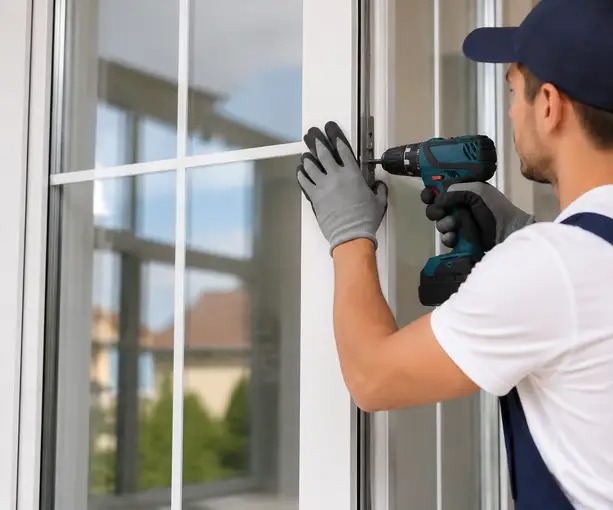
Repairing broken window glass without considering the frame may not address the underlying cause of the damage. If the surrounding structure remains unstable, replacement glass could face similar stress in the future. Window Rescue Co. helps homeowners in Nashville and Middle Tennessee evaluate existing windows and identify practical repair options. Depending on the condition of the window, the appropriate work may involve glass replacement, frame restoration, hardware adjustments, or repairs to deteriorated window sills.
A careful assessment helps determine which components need attention while preserving the parts of the window that remain in good condition.
Why Small Cracks Should Receive Timely Professional Attention
A small crack may not seem urgent when a window remains in place and continues to admit daylight. Nevertheless, damaged glass can become less stable over time. Everyday vibrations, opening and closing the sash, changing weather conditions, and additional impacts may cause the crack to spread.
Cracks can also affect a window’s ability to provide reliable protection against wind and rain. Depending on the location and extent of the damage, the window may become more vulnerable to moisture entry or may no longer perform as intended. If the glass forms part of an insulated window unit, damage to the assembly may also affect its overall performance.
Safety should remain the priority when a crack appears. Homeowners should not push on the damaged area, test its strength, or attempt a do-it-yourself repair involving unstable glass. Keep children and pets away from the affected window, and seek professional guidance about securing the area safely.
Prompt attention can help clarify whether the problem is limited to the glass or involves other parts of the window. It also gives homeowners an opportunity to address contributing issues before they cause further deterioration. Rather than waiting until a minor crack develops into a more extensive break, arranging an assessment early can make planning the repair easier.
Assessing Whether Glass Repair or Another Solution Is Appropriate
The correct solution depends on the type of glass, the location of the damage, and the window’s overall condition. Some minor surface imperfections may be assessed differently from cracks that extend through the pane. However, cracked or shattered glass generally requires careful professional evaluation, and a pane with structural damage will often need replacement rather than a simple repair.
Insulated glass windows require particular attention because they contain multiple panes separated by a sealed space. If one pane breaks or the insulating seal fails, the repair approach may differ from that used for a single-pane window. Fogging between panes, visible moisture, and persistent condensation can indicate a failed seal rather than ordinary surface condensation.
The frame, sash, glazing materials, and hardware should also be examined. If these components remain sound, replacing the damaged glass may be a practical way to restore the window without replacing the entire unit. When the frame has significant rot, distortion, or other structural problems, additional repairs may be necessary before the window can function properly.
Window Rescue Co. takes a repair-first approach, helping homeowners understand the condition of their existing windows before deciding what work is needed. Its residential services include broken glass replacement, failed seal repair, frame restoration, rotted sill repair, hardware adjustments, weatherstripping, and screen repairs. This range of services allows homeowners to consider the window as a complete assembly rather than treating every problem as a reason for full replacement.
Free estimates and clear explanations can help homeowners compare suitable options, understand the expected scope of work, and make informed decisions about their property. The goal is to address the actual problem while preserving serviceable materials whenever practical.
Conclusion: Identifying the Source of Window Damage Before Repair
Residential window cracks can result from accidental impacts, temperature fluctuations, deteriorating frames, or a combination of factors. Recognizing the possible cause helps homeowners understand why the damage occurred and what steps may prevent similar problems in the future. Although minor cracks may appear manageable, damaged glass should be evaluated promptly to reduce safety risks and determine the appropriate repair.
When broken window glass affects a home, replacing the damaged pane may be only one part of the solution. Checking the frame, sash, seals, and hardware can reveal additional issues that need attention. Window Rescue Co. serves Nashville and Middle Tennessee with residential window repair solutions designed to restore functionality, preserve existing windows, and help homeowners avoid unnecessary replacement costs. A professional assessment provides a practical starting point for addressing window damage with confidence.