Physical Address
304 North Cardinal St.
Dorchester Center, MA 02124
Physical Address
304 North Cardinal St.
Dorchester Center, MA 02124

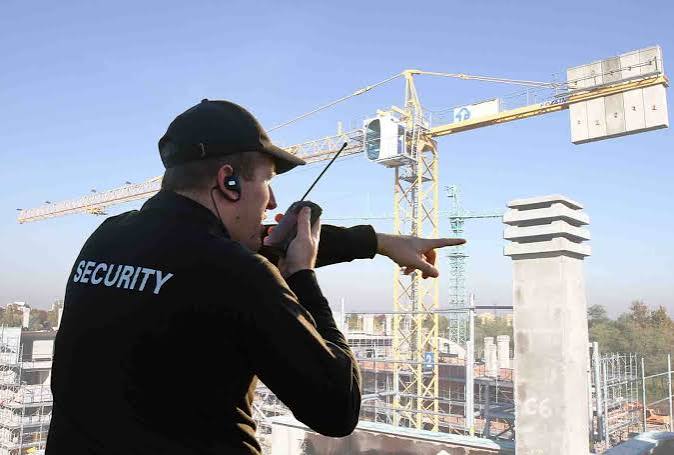
Construction sites are busy, constantly changing environments that may contain expensive machinery, tools, building materials, and fuel. At the same time, temporary fencing, incomplete structures, multiple contractors, and changing access points can create security challenges.
Effective construction site security helps contractors, developers, and property managers protect their assets, control access, and support a safer working environment. When a project only needs additional protection for a limited period, temporary security services can provide a flexible option.
The right solution depends on the size of the site, the stage of construction, the value of materials on-site, and the risks associated with the location.
Construction projects often involve equipment and materials that are stored on-site between working periods. When workers leave for the evening, weekends, or holidays, there may be fewer people available to notice suspicious activity.
Common security concerns include:
Theft of tools, machinery, fuel, and building materials.
Unauthorized entry by visitors or trespassers.
Vandalism and deliberate property damage.
Access to hazardous areas by unauthorized individuals.
Loss of materials that can delay construction work.
Disruption caused by security incidents.
Damage to temporary fencing, gates, or site facilities.
A well-planned security arrangement helps contractors identify these risks before selecting appropriate protective measures.
The first step is to understand the site’s layout and current vulnerabilities. A small refurbishment project may require different protection from a large commercial development with multiple entrances and substantial equipment.
Review the perimeter, access gates, storage containers, parking areas, equipment locations, and sections where visibility is limited.
Consider the construction schedule as well. Security requirements may change when valuable materials arrive, when new structures create additional access points, or when a project enters a phase with fewer workers on-site.
A risk assessment provides a basis for deciding whether temporary security guards, surveillance, access control, or a combination of measures is appropriate.
Temporary security is useful when protection is required for a particular project, construction phase, or period of increased risk.
Security guards can provide a visible presence at entrances and designated areas. Depending on their assigned duties, they may monitor site access, conduct patrols, check visitor details, and report suspicious activity.
For larger sites or locations containing valuable assets, a guard may help maintain oversight during periods when normal construction activity stops.
The provider should clearly define responsibilities, working hours, communication procedures, and emergency escalation arrangements.
Mobile patrols may be appropriate for sites that need periodic checks rather than a continuously stationed guard. Patrols can help identify damaged fencing, unsecured equipment, and suspicious activity.
However, patrol frequency should reflect the level of risk. A site containing high-value machinery may require more extensive protection than a smaller project with limited equipment.
CCTV can help monitor entrances, perimeter areas, equipment storage zones, and vehicle access points. Temporary surveillance may be particularly useful where permanent camera infrastructure has not yet been installed.
Before selecting a system, consider power availability, camera positioning, lighting, connectivity, privacy obligations, and how recorded footage or alerts will be managed.
Temporary fencing and secure gates can help establish a clear boundary around a construction site. Inspect these barriers regularly to identify damage or gaps that may allow unauthorized access.
Where practical, establish designated entry points for workers, contractors, deliveries, and visitors. Maintain appropriate records and ensure that people entering restricted areas have authorization.
A controlled entrance can also help site managers understand who is present and coordinate deliveries more effectively.
Signage should clearly identify restricted areas and communicate relevant site safety requirements.
Construction equipment and materials should be stored according to their value, size, and risk of theft.
Whenever practical, secure portable tools in locked containers and keep valuable materials away from easily accessible boundary areas. Park machinery in designated locations and secure it according to the manufacturer’s guidance.
Maintain an equipment inventory that records identifying details, ownership information, and storage locations. For suitable machinery, consider approved tracking or asset-identification solutions.
Fuel, chemicals, and other potentially hazardous materials require appropriate storage and access controls. Security arrangements should work alongside site safety procedures.
Security requirements are rarely constant throughout a project.
During early construction, the site may have incomplete fencing, temporary utilities, and limited lighting. During later stages, valuable equipment, finished materials, and installed systems may require additional protection.
Deliveries, shutdowns, public holidays, and changes in contractor activity can also affect the risk profile.
Review security arrangements regularly and adjust coverage when conditions change. A flexible approach helps ensure that protection remains relevant throughout the project rather than relying on an outdated plan.
Choosing a professional temporary security company involves checking its suitability for construction environments.
Ask potential providers about their experience with similar projects, staff training, coverage options, incident reporting, and procedures for dealing with emergencies.
Confirm that the proposed service meets applicable licensing, insurance, and contractual requirements. Make sure the provider understands the site’s access rules and safety procedures before work begins.
It is also useful to agree on how often security performance will be reviewed and who will receive incident reports.
Construction site security works best when it is coordinated with daily site operations.
Project managers should communicate schedule changes, deliveries, restricted areas, and contractor movements to the relevant security personnel. Site teams should know how to report suspicious activity and whom to contact when a problem occurs.
A facilities management company involved in the wider property project may also help coordinate security with maintenance, cleaning, and other site services where these responsibilities fall within its scope.
Clear communication reduces confusion and helps ensure that security measures support, rather than disrupt, construction activities.
Before choosing temporary protection, confirm that you have:
Identified the site’s most vulnerable areas.
Reviewed fencing, gates, and entry procedures.
Assessed the value and storage of equipment and materials.
Considered guards, mobile patrols, CCTV, or combined coverage.
Established procedures for workers, visitors, and deliveries.
Documented emergency contacts and incident reporting.
Reviewed security arrangements as the project progresses.
Choosing the right temporary protection for construction site security begins with understanding the project’s specific risks. Secure boundaries, controlled access, suitable surveillance, equipment protection, and professional security personnel can all contribute to a more organized approach.
By reviewing security needs throughout the construction schedule and selecting a provider that understands the site, contractors can better protect equipment, materials, and project operations. Contact All In 1 FM to discuss temporary security options that align with your construction project’s requirements.




