Physical Address
304 North Cardinal St.
Dorchester Center, MA 02124
Physical Address
304 North Cardinal St.
Dorchester Center, MA 02124

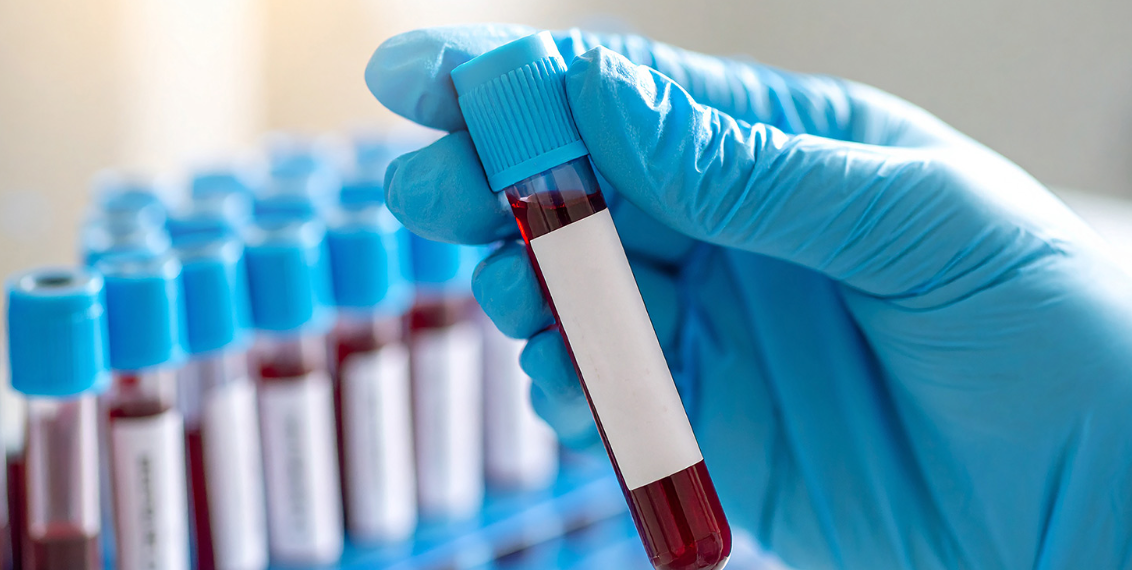
Dengue is a viral infection mainly spread through the bite of infected Aedes mosquitoes. It is common in many tropical and subtropical regions and can cause symptoms ranging from mild fever to more serious illness. A Dengue Test helps detect dengue infection and can support timely medical care.
If you have a high fever along with body pain, headache, weakness, or other dengue-like symptoms, your doctor may recommend testing. Understanding the different dengue tests, when they are performed, and what the results mean can help you take the right steps.
A Dengue Test is a blood test used to detect dengue infection. Different tests look for different markers produced during the infection, such as dengue virus antigens or antibodies.
The commonly used tests include:
The most suitable test depends on how long you have had symptoms and your doctor’s recommendation.
A doctor may recommend a Dengue Test if you have symptoms that suggest dengue, especially during a dengue outbreak.
Common symptoms include:
Some people may develop warning signs such as abdominal pain, persistent vomiting, bleeding, extreme weakness, or difficulty breathing. These symptoms require prompt medical attention.
The NS1 test detects a protein produced by the dengue virus. It is generally useful during the early phase of infection, particularly during the first several days after symptoms begin.
The IgM antibody test detects antibodies produced by the immune system in response to dengue infection. IgM usually becomes detectable after the early stage of infection and can remain detectable for some time.
The IgG test detects antibodies that may indicate a previous dengue infection or, depending on the clinical situation, a later stage of infection. A single IgG result should not be interpreted on its own.
PCR testing detects dengue viral genetic material and may be useful during the early phase of infection. It is generally performed when specifically recommended by a healthcare professional.
The best test can depend on the number of days since fever or other symptoms started.
During the early phase, tests such as NS1 antigen or PCR may be useful. Antibody tests such as IgM become more useful as the immune response develops.
Because the timing of detectable markers varies, your doctor may recommend one test or a combination of tests depending on your symptoms and illness duration.
A Dengue Test is usually performed using a blood sample.
The procedure is simple:
Blood collection usually takes only a few minutes.
Fasting is generally not required for most dengue blood tests.
However, if your doctor has prescribed other blood tests along with the dengue test, fasting may be required for those tests. Always follow the preparation instructions provided by your healthcare provider or laboratory.
Dengue test results depend on the type of test performed.
A positive NS1 or PCR result may indicate an active dengue infection. A positive IgM result may suggest a recent infection, while IgG results require careful interpretation based on the person’s history and other test findings.
A negative result does not always completely rule out dengue, especially if testing is performed very early in the illness. Doctors may recommend repeat testing or other investigations when symptoms strongly suggest dengue.
Doctors may also recommend a Complete Blood Count (CBC) during suspected dengue infection. A CBC helps monitor blood cell counts, including platelet levels.
A low platelet count can occur in dengue, but platelet count alone cannot confirm or rule out dengue. Your healthcare provider may monitor platelet levels and other blood parameters depending on your symptoms and clinical condition.
Usually, no special preparation is required. Before testing:
Early diagnosis can help healthcare professionals monitor the illness and identify people who may need closer observation. Dengue treatment is generally supportive, so medical monitoring is important, especially if warning signs develop.
Do not self-medicate without medical advice. In particular, medicines that increase the risk of bleeding should not be taken unless recommended by a healthcare professional.
A Dengue Test is an important diagnostic tool when dengue infection is suspected. NS1, IgM, IgG, and PCR tests can be used at different stages of infection, and the right choice depends on symptoms and illness duration. A CBC may also be recommended to monitor platelet and other blood cell levels.
If you develop persistent high fever, severe body pain, rash, vomiting, abdominal pain, bleeding, or other concerning symptoms, consult a healthcare professional promptly. Timely testing and appropriate medical monitoring can help manage dengue safely.
A Dengue Test is a blood test used to detect dengue infection by identifying viral antigens, antibodies, or genetic material.
NS1 antigen and PCR tests can be useful during the early phase of dengue infection. The appropriate test depends on the timing of symptoms and medical advice.
Usually, fasting is not required. However, follow your healthcare provider’s instructions, especially if other blood tests are being performed.
No. Low platelets can occur in dengue but may also have other causes. Dengue-specific testing and clinical evaluation are needed.
It depends on the stage of infection and the test used. Sometimes doctors may recommend more than one test or repeat testing to obtain a clearer diagnosis.