Physical Address
304 North Cardinal St.
Dorchester Center, MA 02124
Physical Address
304 North Cardinal St.
Dorchester Center, MA 02124

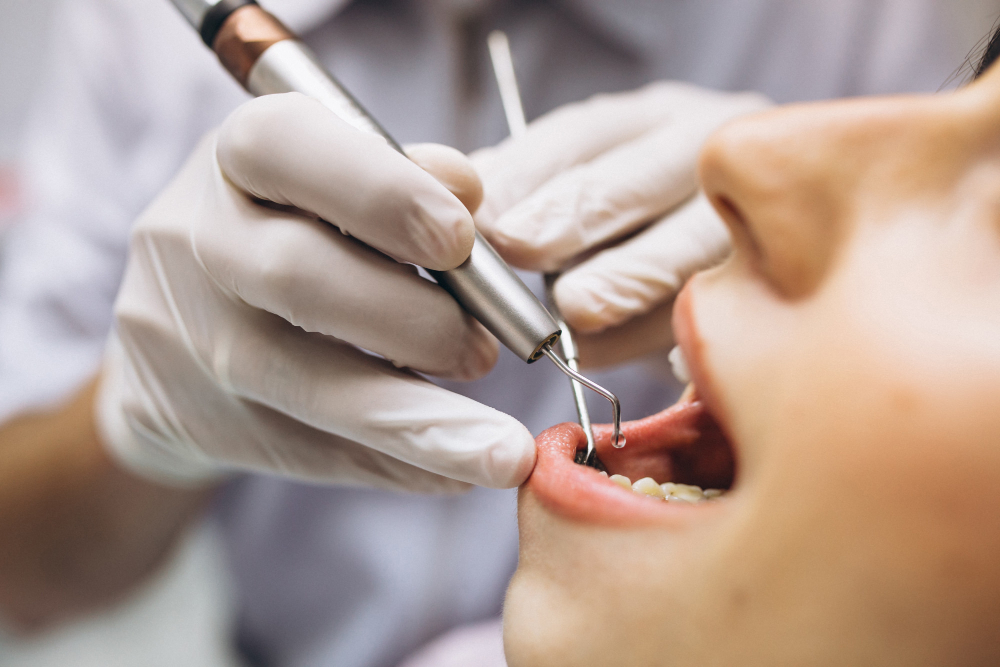
Most dental problems don’t appear overnight. Tooth decay and gum disease build up slowly, often with no pain until they are well advanced. The good news is that a few simple daily habits, backed by regular professional care, can prevent most of them.
In this guide, you’ll learn how to maintain oral hygiene at home, which habits to avoid, and when to see a dentist. Whether you’re a busy parent, a professional with a packed diary, or someone searching for reliable dental treatment in Adelaide, these tips will help you protect your smile for the long term. At Walsh Dental in Burnside, we see the difference good habits make every day, so we’ve pulled our advice together here.
Plaque is a sticky layer of bacteria that forms on your teeth every day. If it isn’t removed, it hardens into tartar, which brushing alone can’t remove. Over time, plaque and tartar lead to tooth decay, gum disease, and persistent bad breath.
Oral health also affects your general wellbeing. Neglected teeth and gums can contribute to problems beyond the mouth, so a consistent dental hygiene routine is one of the simplest ways to protect both your smile and your overall health.
Dentists recommend brushing for at least two minutes, twice a day, with fluoride toothpaste. Use a soft-bristled toothbrush with a small head so you can reach every surface, including the back teeth. Angle the bristles towards the gumline and use gentle circles rather than hard scrubbing.
After brushing, spit out the excess toothpaste but don’t rinse with water, because rinsing washes away the fluoride that protects your enamel. Replace your toothbrush every three months, or sooner if the bristles look frayed.
A toothbrush can’t reach the tight spaces between your teeth, which is where plaque often hides. Floss at least once a day, or use interdental brushes if they suit you better. Try flossing before you brush so the fluoride toothpaste can reach those gaps.
Mouthwash isn’t essential for most people, and some types can dry the mouth. If you’d like to use one, ask your dentist which type suits you. Gently cleaning your tongue, on the other hand, can help reduce bad breath.
What you eat and drink matters as much as how you brush. Sugary drinks, lollies, and acidic foods weaken enamel, and frequent snacking gives bacteria a steady supply of fuel. Leaving gaps between meals lets your saliva neutralise acids that can damage your teeth.
A few simple swaps help:
Even perfect brushing and flossing can’t replace a professional examination. Most Australians are advised to have a dental check-up every 6 to 12 months, although your dentist may suggest a different schedule based on your risk of decay or gum disease.
A thorough check-up and clean usually includes:
Regular visits are the foundation of effective dental treatment in Adelaide, because problems caught early are simpler, quicker, and more affordable to fix. At Walsh Dental, new patients without private health cover can enjoy a comprehensive check-up and clean for $195, while members of major health funds may be eligible for a gap-free visit (conditions apply).
Don’t wait for a scheduled check-up if you notice any of these warning signs:
Early care can often be as simple as a filling or a professional Airflow stain removal clean. Deeper decay may need a crown or root canal therapy to save the tooth. If you’re in severe pain or have had an accident, same-day emergency dental care can get you relief quickly.
Children: Kids can’t clean their teeth thoroughly on their own until around age 8, so supervise brushing until then. Children aged 18 months to 5 years should use low-fluoride toothpaste. Our children’s dentistry service makes early visits gentle and stress-free.
Teens and sports players: A custom-fitted sports mouthguard protects teeth from impact injuries during sport.
Adults and families: Focus on cleaning between teeth daily, managing sugar, and keeping up regular visits. Our family dentistry approach means everyone can see the same trusted team.
Denture, implant, and aligner wearers: Clean your dentures or aligners daily, and keep brushing and flossing around any natural teeth and implants.
Teeth grinders: If you wake with a sore jaw or headaches, a custom splint can protect your teeth from wear.
Even people with good intentions slip up. Watch out for these:
Brush for at least two minutes, twice a day, using fluoride toothpaste.
2. Is flossing really necessary?
Yes. Brushing cleans only some of your tooth surfaces. Flossing or using interdental brushes removes plaque from between your teeth, where decay and gum disease often begin.
3. How often should I replace my toothbrush?
Every three months, or sooner if the bristles are frayed or you’ve been unwell.
4. Why do my gums bleed when I brush?
Bleeding is often an early sign of gum inflammation caused by plaque build-up. Keep cleaning gently and book a check-up if it continues for more than a few days.
5. Do health funds cover check-ups and cleans?
Many health funds with extras cover include dental check-ups and cleans. Our team can check your cover and explain your claim at the front desk.
Good habits at home and regular professional care together keep your smile healthy for life. If you’re ready to book dental treatment in Adelaide, Walsh Dental is here to help. We’re a family-owned practice at 508 Glynburn Road, Burnside, with ample parking and late-night appointments on Tuesdays and Wednesdays.
Call us on 08 8331 0436 or book your appointment online today.