Physical Address
304 North Cardinal St.
Dorchester Center, MA 02124
Physical Address
304 North Cardinal St.
Dorchester Center, MA 02124

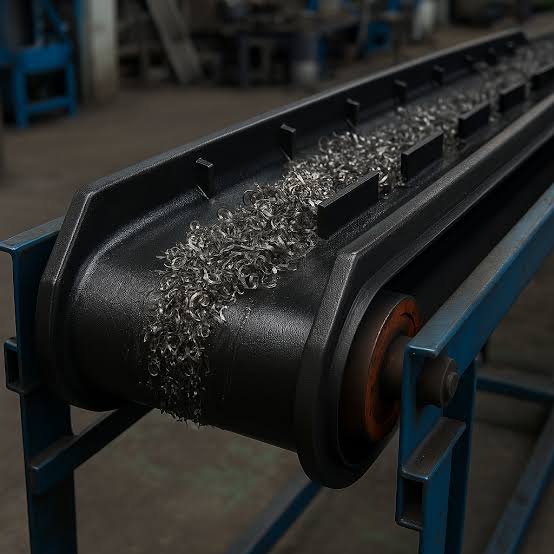
A conveyor belt may have enough strength to carry a load, but that does not automatically mean the system will operate efficiently. Poor belt selection, incorrect pulley dimensions, uneven loading, or unsuitable tension settings can lead to slipping, excessive wear, tracking problems, and frequent maintenance.
These issues often begin during the design stage. A properly planned fabric belt conveyor considers the material being transported, the required carrying capacity, conveyor length, operating environment, and mechanical arrangement. Getting these details right helps reduce unnecessary strain on the belt and keeps material moving consistently.
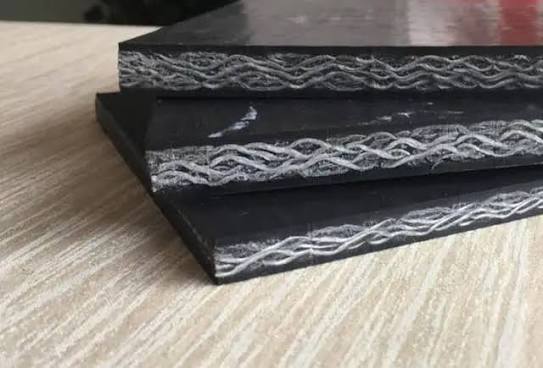
The belt carcass provides the tensile strength needed to carry material and withstand operating tension. In fabric conveyor belts, this reinforcement is made from textile layers, commonly polyester, nylon, or a combination of both. The number of plies and the strength of the fabric depend on the conveyor’s working conditions.
A polyester conveyor belt is commonly used where good dimensional stability and relatively low stretch are important. Polyester helps the belt maintain its length under tension, which can make tracking and tension adjustment easier. It is suitable for many general material-handling applications, including aggregate processing, packaging, and industrial production lines.
A nylon fabric conveyor belt, on the other hand, offers good flexibility, elasticity, and resistance to impact. This makes it useful in operations where heavy or uneven materials are dropped onto the belt. Its flexibility can also help it handle demanding loading conditions. However, nylon generally stretches more than polyester, so the take-up arrangement and tension settings need to account for this behaviour.
The choice should depend on conveyor length, loading impact, material weight, and operating conditions. Simply selecting the most commonly used fabric type in an industry may not provide the best result for a particular installation.
Belt width and operating speed should be selected together. A narrow belt running at high speed may struggle to carry the required volume, while an unnecessarily wide belt can increase equipment costs, power requirements, and maintenance needs.
The design should begin with the expected material flow rate, usually measured in tonnes per hour. Bulk density, particle size, moisture content, and the angle of repose all influence how much material can be carried safely.
For example, dry sand may spread differently across the belt than coarse crushed stone. Large particles also require enough clearance at the loading point to prevent material from striking the belt edges or damaging the rubber cover.
Belt speed affects more than carrying capacity. If the material enters the conveyor too quickly or at an unsuitable angle, it may bounce, spill, or create uneven loading. Transfer chutes should guide material in the same general direction as belt movement wherever practical. This reduces impact and helps prevent excessive wear around loading zones.
The mechanical layout has a direct effect on belt performance. Pulley diameter, idler spacing, trough angle, and take-up travel should all match the selected belt construction.
If pulleys are too small, the belt experiences greater bending stress as it moves around them. This can be particularly problematic near mechanical joints, where repeated bending may contribute to premature damage. The manufacturer’s recommended minimum pulley diameter should always be checked before finalising the conveyor design.
Idler spacing is another important detail. If carrying idlers are placed too far apart, the loaded belt may sag between supports. Excessive sag can increase resistance, affect material stability, and make belt tracking more difficult. Closer spacing may be needed around loading areas where the belt receives heavier impact.
The take-up system also deserves attention. It maintains suitable belt tension as the belt stretches and operating conditions change. Too little tension can cause slipping at the drive pulley, while excessive tension places unnecessary stress on the carcass, joints, pulleys, and bearings.
Tracking should be considered from the beginning rather than treated as a problem to fix after installation. Correct pulley alignment, consistent loading, and properly positioned idlers help the belt run centrally.
When material needs to move uphill, the belt surface must provide enough grip to prevent rollback. A chevron conveyor belt pattern uses raised profiles that help hold material on inclined sections.
The profile design should match the material and conveyor angle. Fine, dry materials may need a different pattern from larger aggregates. Material moisture also matters because wet or sticky loads can behave differently and may collect between the raised profiles.
A chevron pattern can be useful for moderate inclines, but it is not the answer for every steep conveying application. As the conveyor angle increases, material may begin sliding backward despite the patterned surface. For steeper routes, cleated belts or sidewall conveyor systems may be more appropriate.
It is better to assess the actual material behaviour and required lifting height before selecting a belt profile. Choosing a more pronounced pattern without considering the conveyor angle can increase costs without solving the underlying problem.
Temperature, moisture, oil exposure, and abrasion can all influence belt service life. A heat resistant belt is necessary when the conveyor handles hot materials such as clinker, hot minerals, or processed industrial products. Using a standard rubber cover in these conditions can cause hardening, cracking, and premature deterioration.
For a conveyor belt for cement industry applications, requirements can vary considerably across different production stages. Limestone handling may call for good abrasion resistance, while hot clinker transport requires a suitable heat-resistant rubber compound. Coal and other materials may require attention to fire-related specifications, depending on the application and relevant safety requirements.
Dust is another practical concern. Fine cement dust can accumulate around rollers, pulleys, and belt cleaners. If material builds up on the return side, it may affect tracking and accelerate wear. Suitable cleaning equipment and regular maintenance access should therefore be included in the design.
Where conveyors operate outdoors, exposure to sunlight, rain, and changing temperatures should also be considered. The rubber cover and fabric construction must suit the actual environment rather than just the material being transported.
Even a correctly specified belt can wear out quickly if material is loaded poorly. Loading should be centred across the belt width, and the transfer chute should minimise free-fall height where possible. Heavy impact concentrated in one area can damage the cover and reinforcement over time.
Skirting systems can help control spillage around loading points, but they must be adjusted carefully. Excessive pressure against the belt surface can create friction, heat, and additional wear.
Regular inspections should focus on belt edges, joints, cover condition, tracking, and material buildup. Small cracks, exposed fabric, or signs of separation should be investigated before the damage spreads. Belt cleaners, idlers, and pulleys also need routine checks because their condition directly affects belt performance.