Physical Address
304 North Cardinal St.
Dorchester Center, MA 02124
Physical Address
304 North Cardinal St.
Dorchester Center, MA 02124

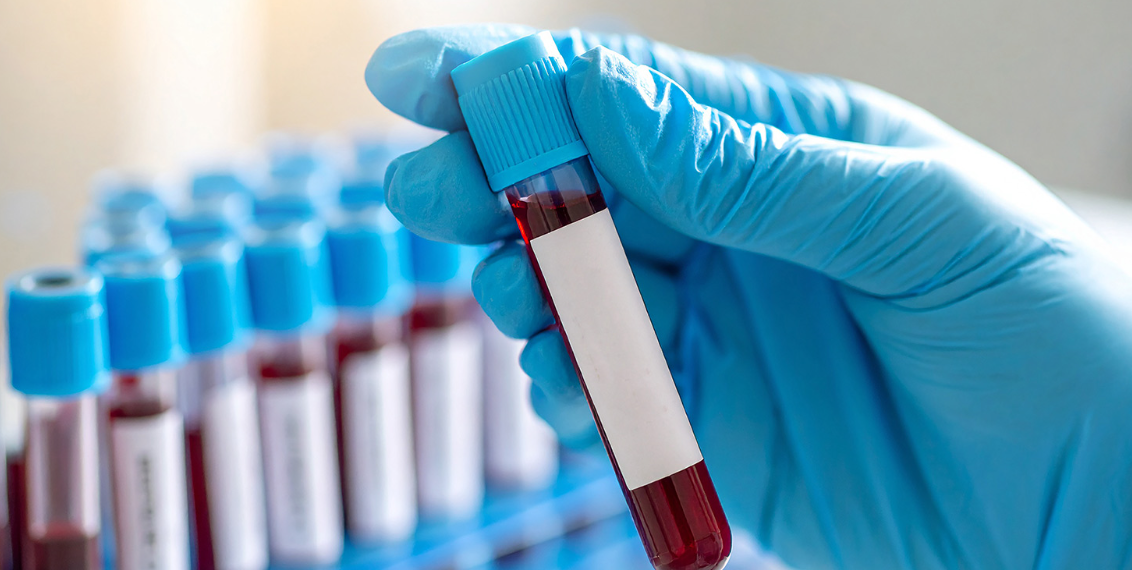
A Health Checkup is a routine assessment that helps provide an overall picture of a person’s health. It may include a physical examination, blood tests, urine tests, imaging, or other investigations depending on age, health history, symptoms, and risk factors.
Regular health checkups can help identify certain health problems early, even when a person does not notice any clear symptoms. They can also help monitor existing conditions and support better health decisions.
A Health Checkup is a set of medical assessments performed to evaluate different aspects of health. The tests included are not the same for everyone.
A basic checkup may include measurements such as:
Depending on individual needs, a healthcare professional may recommend additional blood tests, urine tests, imaging studies, or specialist consultations.
Many health conditions can develop gradually without causing noticeable symptoms in their early stages. A routine checkup can help identify changes that may require further evaluation.
Health checkups may help with:
A checkup does not guarantee that every disease will be detected, but it can be an important part of preventive healthcare.
The tests included depend on the person’s age, medical history, lifestyle, and healthcare requirements.
A CBC test measures different blood cells, including red blood cells, white blood cells, and platelets. It can provide information about several aspects of general health.
Blood glucose testing measures the amount of sugar in the blood. It may be used to screen for or monitor diabetes and other blood sugar-related concerns.
A lipid profile measures substances such as total cholesterol, HDL cholesterol, LDL cholesterol, and triglycerides. These results can help assess cardiovascular risk.
An LFT measures several markers associated with liver health and can help investigate possible liver injury or other liver-related conditions.
Kidney function testing may include measurements such as creatinine, urea, and other parameters. These tests help assess kidney health.
Thyroid testing may include TSH and, when appropriate, other thyroid hormones. These tests can help evaluate thyroid function.
Depending on individual needs, doctors may recommend tests such as Vitamin D or Vitamin B12 testing to investigate possible deficiencies.
Health checkups can be useful for adults of different age groups. However, the frequency and type of assessment should be based on individual health needs.
People may benefit from regular checkups if they:
People with specific risk factors may require more frequent monitoring based on their doctor’s recommendations.
Routine assessments can provide useful information about important health parameters.
Some health conditions may be identified through screening or abnormal test results before noticeable symptoms develop.
People already diagnosed with conditions such as diabetes or high blood pressure may require regular testing to monitor their health.
Regular checkups can encourage people to pay attention to diet, physical activity, sleep, weight, and other lifestyle factors.
Regular testing can create a record of health measurements over time. Changes between previous and current results may help healthcare professionals decide whether further evaluation is needed.
There is no single schedule that is suitable for everyone. The recommended frequency depends on age, medical history, family history, lifestyle, and individual risk factors.
Some healthy adults may require periodic preventive assessments, while people with chronic health conditions may need more frequent monitoring.
It is best to discuss the appropriate schedule with a qualified healthcare professional rather than following the same testing routine as someone else.
Preparation depends on the tests included in the checkup package.
Before your appointment:
Do not stop prescribed medicines unless your healthcare professional advises you to do so.
Many diagnostic services offer home sample collection for selected laboratory tests. This can be useful for people who prefer not to travel to a laboratory.
During home collection, a trained professional collects the required sample and sends it to the laboratory for analysis. Availability of home collection depends on the location, test, and diagnostic provider.
However, a home blood collection service does not replace a physical medical examination when one is required.
Test reports usually include the measured value, laboratory reference range, and other relevant information.
A result outside the reference range does not always mean that a person has a disease. Results can be affected by factors such as age, sex, medicines, recent illness, diet, exercise, and the laboratory method.
Healthcare professionals interpret results in the context of symptoms, medical history, examination findings, and other tests.
Avoid self-diagnosing based on a single abnormal value.
A routine Health Checkup is not a replacement for medical care when symptoms are present.
Consult a healthcare professional if you experience persistent symptoms such as unexplained weight changes, ongoing fatigue, chest discomfort, breathing difficulties, prolonged fever, changes in bowel habits, or other unusual health changes.
Seek urgent medical attention for severe or rapidly worsening symptoms.
A Health Checkup is an important part of preventive healthcare and can help monitor different aspects of health. Depending on individual needs, it may include blood sugar, cholesterol, CBC, liver and kidney function, thyroid testing, vitamin tests, and other assessments.
Regular checkups can help identify potential health concerns, monitor existing conditions, and provide useful information for making healthier lifestyle choices. The right tests and frequency depend on personal health needs, so it is advisable to discuss them with a qualified healthcare professional.
A proactive approach to health, combined with a balanced diet, regular physical activity, adequate sleep, and appropriate medical care, can support long-term wellbeing.




