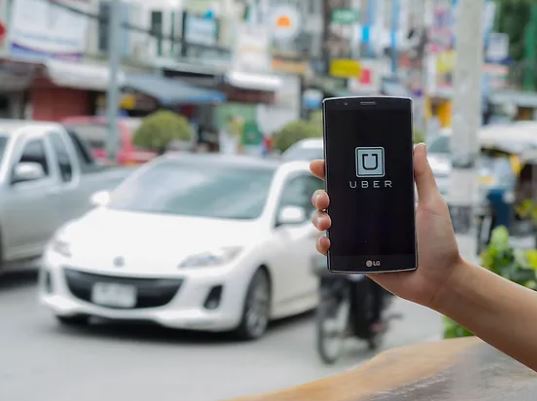
You were crossing Brand Boulevard, riding your bike near the Americana, or driving through the intersection at Central and Colorado when a rideshare vehicle hit you. You never opened the app, never agreed to any terms, and had no relationship with the company. Yet you may now be dealing with the rideshare company, its insurers, and the driver’s personal insurer, each with its own reasons to limit what it pays.
If this happened to you, a Glendale Uber & Lyft accident lawyer can help you figure out who is responsible, which coverage applies, and how to protect your claim.
Why Third-Party Claims Against Rideshare Drivers Are Different
When you are not a passenger, your claim is against the party who caused the crash, and that gets complicated when the at-fault driver was working for Uber or Lyft. Possible sources of compensation include:
- The rideshare driver, who is personally responsible for negligent driving
- The rideshare company’s commercial insurance, which may apply depending on what the driver was doing at the time
- The driver’s personal auto policy, which may or may not cover rideshare activity
- Your own coverage, such as uninsured/underinsured motorist (UM/UIM) or medical payments coverage
- Other responsible parties, such as a vehicle owner, a mechanic, or a manufacturer
Uber and Lyft typically treat their drivers as independent contractors and may argue the company isn’t responsible for their actions. Whether that argument works depends on the facts and the coverage that applies, so early legal review matters.
Why the Driver’s App Status Matters
Rideshare insurance in California generally depends on what the driver was doing when the crash happened. Companies and regulators commonly describe three stages:
- App off. The driver’s personal auto policy generally applies.
- App on, waiting for a ride request. A lower tier of rideshare liability coverage generally applies.
- Ride accepted, en route to pickup, or passenger in the car. A higher tier of coverage generally applies.
Insurers sometimes argue the driver was in a lower-coverage stage, or not working at all. Your attorney can seek trip logs, timestamps, and app data to establish what was happening at the moment of impact. Coverage amounts are set by state law and company policy and have changed over the years, so have an attorney confirm the current limits rather than relying on an adjuster’s summary.
Special Issues for Each Type of Victim
If You Were Driving Another Vehicle
You may have claims for injuries, vehicle damage, and loss of use. If the rideshare driver’s coverage is unclear or too low, your own UM/UIM and collision coverage may become important. Notify your insurer promptly and follow policy requirements for reporting and cooperation.
If You Were a Pedestrian
Pedestrians have no protection in a crash, so injuries are often severe. Rideshare drivers who are looking at navigation, watching for a passenger, or rushing to a pickup may fail to yield at crosswalks near busy areas like the Americana, the Galleria, or downtown Glendale. Fault will depend on the traffic signals, the crosswalk, and the driver’s speed and attention. Video from nearby businesses and the rideshare vehicle’s own dash-cam, if there is one, can be valuable.
If You Were a Cyclist or Motorcyclist
Riders are hard to see and easily injured. Common rideshare-related crashes include drivers who pull to the curb suddenly for a pickup, cut across a bike lane along the Chandler Bikeway, or open a door into a rider’s path. Document everything and get prompt medical care.
Common Causes of Crashes With Rideshare Vehicles
- Distracted driving, including glancing at the app, GPS, or ride requests
- Rushing to reach a pickup or drop-off
- Driver fatigue after long shifts or late-night driving
- Unsafe stops, such as stopping in a travel lane or bike lane
- Dooring, when a passenger opens a door into traffic
- Unfamiliar routes, leading to abrupt turns or lane changes, especially near the 134/5 interchange
- Impaired driving
- Failing to yield to pedestrians and cyclists
- Poor vehicle maintenance
Common Injuries
- Whiplash and neck and back injuries
- Traumatic brain injuries and concussions
- Broken bones, including hips, legs, and pelvis
- Spinal cord injuries
- Road rash, cuts, and scarring
- Internal injuries and bleeding
- Emotional trauma, including anxiety and PTSD
Some symptoms take hours or days to appear, so see a doctor even if you feel fine at the scene.
What to Do After Being Hit by a Rideshare Driver
- Call 911 and request police and medical help.
- Get medical care right away, even for what seems like a minor injury.
- Note that the vehicle is a rideshare car. Look for the Uber or Lyft sticker or trade dress, and write down the plate number, make, model, and driver’s name.
- Ask the driver whether the app was on and whether they had a passenger or were on their way to one. Do not argue. Simply note what is said, and let your attorney follow up through official records.
- Photograph the scene: vehicles, damage, skid marks, crosswalks, signals, and your injuries.
- Collect witness names and contact information.
- Exchange insurance information, including the driver’s personal policy details.
- Do not admit fault or discuss blame.
- Report the crash to your own insurer, if required, and be cautious with any insurer’s requests for a recorded statement.
- Keep all medical records, bills, and proof of missed work.
- Contact an attorney early, before app data and video are lost.
How Insurers May Fight Your Claim
- Arguing the driver was not working, to trigger lower coverage
- Pointing to the driver’s independent contractor status
- Blaming you, for example claiming a pedestrian crossed unsafely or a cyclist was not visible
- Questioning the severity of your injuries, or pointing to pre-existing conditions
- Disputing treatment as unnecessary
- Offering a quick, low settlement before your recovery is clear
Insurers from different companies may also point at each other, leaving you in the middle. A clear strategy and solid evidence help.
Shared Fault in California
California follows pure comparative negligence. If you are found partly at fault, your compensation is reduced by your percentage of responsibility, but you can still recover. For example, if you are found 20% at fault for a $150,000 loss, you could still recover $120,000. Insurers often try to inflate a victim’s share of blame, so evidence matters.
Compensation You May Be Able to Recover
Depending on the facts and available coverage, a claim may include:
- Medical expenses: emergency care, surgery, therapy, medication, and future treatment
- Lost wages and loss of earning capacity
- Vehicle or bicycle repair or replacement and other property damage
- Pain and suffering, emotional distress, and loss of enjoyment of life
- Wrongful death damages for surviving family members, if the crash was fatal
Evidence That Can Strengthen Your Claim
- The police or CHP crash report
- Rideshare trip records, driver status, and app data
- Dash-cam footage from the rideshare vehicle or from nearby drivers
- Surveillance video from businesses and homes
- Photos of the scene, injuries, and damage
- Witness statements
- Medical records and bills
- Employment records showing lost income
App data and video can be overwritten quickly, so an attorney can send preservation requests early.
Deadlines to Keep in Mind
- Personal injury lawsuits: generally two years from the date of the accident
- Property damage claims: generally three years
- Claims against government entities: generally six months for the initial claim, for example if a road defect contributed
- Wrongful death claims: generally two years from the date of death
- Insurance policy notice requirements, such as under your own UM/UIM coverage, may be shorter, so check your policy
Mistakes That Can Hurt Your Claim
- Assuming the rideshare company is not responsible because the driver is a contractor
- Failing to record the vehicle and driver details at the scene
- Giving a recorded statement to any insurer without advice
- Accepting a fast settlement before knowing the full extent of your injuries
- Skipping medical care or follow-up appointments
- Posting about the crash or your activities on social media
- Waiting too long to speak with an attorney
How a Glendale Uber & Lyft Accident Lawyer Can Help
An experienced attorney can:
- Determine the driver’s status and which policy applies
- Identify every responsible party and available insurance
- Preserve app data, video, and other time-sensitive evidence
- Work with accident reconstruction and medical experts
- Handle communication with the rideshare company, the driver, and multiple insurers
- Calculate the full value of your current and future losses
- Negotiate for a fair settlement, or file suit and go to trial if needed
Many personal injury firms work on a contingency fee basis, meaning you typically pay no attorney fees unless you recover compensation. Confirm the terms during your consultation.
Hit by a Rideshare Driver? Get Answers Before You Settle
You did not choose to be part of a rideshare trip, and you should not have to fight several companies over the cost of an injury you did not cause. If you were hurt in a crash with an Uber or Lyft driver in Glendale, contact a Glendale Uber & Lyft accident lawyer to discuss what happened and learn what options may be available.