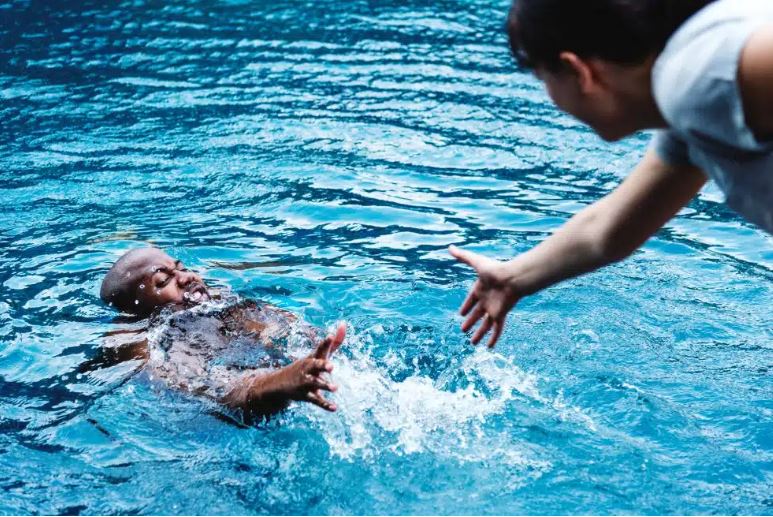
Vacations are supposed to be a break from everyday worries, and a pool is often the centerpiece of that experience. Families relax by hotel pools, kids splash in resort water features, and vacation rental listings often highlight a private pool as a selling point. When a guest drowns or nearly drowns at a hotel, resort, or short-term rental, families are left wondering who is responsible for what should have been a safe amenity.
Hospitality properties owe guests specific duties that can differ from an ordinary residential pool case. A Bakersfield personal injury lawyer can help your family understand whether a hotel, resort, or rental owner failed to meet those duties.
Why Hotel and Rental Pool Cases Are Different
A homeowner with a backyard pool generally owes a duty of reasonable care to people lawfully on the property. A business that operates a pool as part of a paid service, such as a hotel, resort, or vacation rental, often takes on additional responsibilities because guests are invited commercially and reasonably expect the property to be safe and properly staffed. These cases can involve:
- Commercial safety standards that may exceed residential requirements
- Staffing and supervision expectations, particularly where lifeguards are provided or implied
- Multiple potentially responsible parties, including property owners, management companies, and booking platforms
- Guest expectations shaped by marketing, such as photos or descriptions suggesting a pool is safe for children
Common Causes of Hotel and Resort Pool Drownings
- Inadequate or absent lifeguard supervision, especially at busy times
- Poorly marked depth changes, where guests misjudge how deep the water is
- Missing or broken safety equipment, such as life rings, reaching poles, or first aid kits
- Defective or non-compliant drain covers, creating suction entrapment risk
- Slippery pool decks without adequate slip-resistant surfaces or warnings
- Alcohol service near the pool without adequate oversight
- Overcrowding beyond safe capacity
- Poor lighting for pools open into the evening
- Inadequate fencing or access control, allowing unsupervised access after hours
- Failure to enforce posted rules, such as no-diving zones in shallow areas
Common Causes of Vacation Rental Pool Drownings
Short-term rentals raise distinct issues because there is typically no on-site staff or lifeguard at all:
- No fencing or barrier between the house and the pool, especially dangerous for young children
- Misrepresented safety features in the listing, such as claiming a fence or alarm exists when it does not
- Lack of any safety disclosures about pool depth, drain conditions, or known hazards
- Poor maintenance by an absentee owner or property manager
- No emergency information provided to guests, such as the nearest hospital or how to reach management in an emergency
- Non-compliance with local safety ordinances that would apply to any residential pool
Because vacation rentals are marketed and booked like hotels but often function more like private residences, questions about what duties apply, and to whom, can be more complicated.
Who Can Be Held Responsible?
Depending on the type of property and the facts, potentially responsible parties include:
- The hotel or resort operator
- A property management company that handles day-to-day operations
- The property owner, who may be different from the operator
- A vacation rental host or owner
- A booking or listing platform, in limited circumstances, depending on its role and any representations made
- A lifeguard service or staffing company, if supervision was contracted out
- A pool maintenance or inspection contractor
- An equipment manufacturer, if defective gear contributed
- A bar or restaurant operating poolside, in cases involving alcohol service
Large hotel chains often use complex corporate and franchise structures, where the brand name on the building may not be the entity that actually operates the property. Identifying the correct parties often requires investigation into ownership, management, and franchise agreements.
Duties Hotels and Resorts Typically Owe Guests
While the specific legal duties depend on the facts, hospitality properties are generally expected to:
- Maintain the pool and its safety equipment in good working condition
- Comply with applicable health and safety codes for commercial pools
- Post appropriate warnings and depth markers
- Provide supervision consistent with what is advertised or reasonably expected
- Train staff to respond to emergencies
- Enforce reasonable safety rules, such as restrictions on diving or after-hours access
Whether a lifeguard was legally required depends on the type of facility, its size, and applicable local regulations, which can vary. Some hotel pools operate without lifeguards and instead rely on posted warnings and guest responsibility, while resorts, water parks, and certain public-facing facilities may have stricter requirements.
Vacation Rentals and Owner Disclosures
Short-term rental platforms and hosts increasingly face scrutiny over safety disclosures, especially involving pools. Questions that can matter in a claim include:
- Did the listing accurately describe the pool’s safety features?
- Was a fence, gate, or alarm actually present and functional?
- Did the host provide any warning about pool depth, drain conditions, or other hazards?
- Was the property compliant with local pool safety ordinances at the time?
- Did the host know about a hazard and fail to disclose or fix it?
A misleading listing, combined with an actual safety failure, can strengthen a claim against a rental host or the property owner.
Children at Hotel and Rental Pools
Children are especially at risk in these settings because families often assume a resort or rental pool is inherently safer than a backyard pool, when in fact supervision and safety features can vary widely. Parents should not assume that a commercial pool automatically has continuous lifeguard supervision. Reviewing posted rules and confirming safety features on arrival can help prevent a tragedy, but when a property fails to meet basic safety obligations, that failure can support a legal claim regardless of parental precautions.
Evidence in Hotel and Rental Pool Cases
These cases often involve evidence that can be lost or altered quickly, especially at a property continuing to operate:
- Photos and video of the pool area, safety equipment, warning signs, and fencing
- Hotel or rental security camera footage, which is often overwritten within days
- Incident reports created by staff or management
- Maintenance and inspection records
- Staffing schedules, including whether a lifeguard was on duty
- The property listing or marketing materials, especially for vacation rentals
- Communications with the host or management before and after the incident
- Local health department or code inspection records
- Witness statements from other guests
- Medical and, if applicable, autopsy records
An attorney can send a preservation letter promptly to prevent surveillance footage and other evidence from being deleted or overwritten.
Comparative Negligence
California follows pure comparative negligence. If a court finds that the guest, or a supervising adult, shared some responsibility, compensation may be reduced by that percentage rather than eliminated entirely. For example, if a family is found 15% responsible for a $600,000 loss, they may still recover $510,000.
Hotels and rental owners often argue that a guest ignored posted warnings or that a parent was not adequately supervising a child. A thorough investigation into the property’s actual condition and staffing can help address these arguments.
Compensation in Hotel and Rental Pool Cases
For a survivor of a near-drowning, damages may include:
- Emergency and ongoing medical treatment, including care for brain injury from oxygen deprivation
- Long-term rehabilitation and care costs
- Lost earning capacity
- Pain, suffering, and loss of enjoyment of life
For a fatal drowning, eligible family members may bring a wrongful death claim, which can include funeral costs, loss of financial support, and loss of companionship.
Deadlines to Keep in Mind
- Most premises liability lawsuits: generally two years from the date of the incident
- Wrongful death claims: generally two years from the date of death
- Claims against government-operated facilities, such as a municipal pool at a public recreation center: generally six months for the initial written claim
- Cases involving minors: special rules may extend certain deadlines, but they are technical and case-specific
Vacation rental listings can be edited or taken down, and hotel surveillance footage is often kept only briefly, so acting quickly matters more than the filing deadline might suggest.
What to Do After a Hotel or Rental Pool Incident
- Get emergency medical care immediately and continue following medical guidance, especially after a near-drowning.
- Report the incident to hotel or property management and request that an incident report be created.
- Photograph the pool area, safety equipment, signage, and any hazards before anything changes.
- Get contact information for witnesses, including other guests and staff.
- Preserve the rental listing or any marketing materials, including screenshots, if a vacation rental is involved.
- Avoid giving a recorded statement to an insurance company before speaking with an attorney.
- Keep all medical records, bills, and receipts related to your stay.
- Contact an attorney promptly so evidence can be preserved before it is lost.
How an Attorney Can Help
An experienced attorney can:
- Identify the correct corporate and ownership entities behind a hotel, resort, or rental
- Send preservation letters for surveillance footage and records
- Investigate compliance with applicable safety codes and industry standards
- Review the rental listing and communications for misrepresentations
- Work with safety and medical experts
- Calculate the full value of medical costs, long-term care, and other losses
- Negotiate with insurers, or file suit and pursue the case through trial
Many personal injury firms work on a contingency fee basis, meaning you typically pay no attorney fees unless you recover compensation. Confirm the terms during your consultation.
Get Answers After a Vacation Pool Tragedy
A vacation should never end in tragedy, and when a hotel, resort, or rental property fails to keep guests safe, families deserve answers and accountability. If you or a loved one was affected by a drowning or near-drowning at a hotel, resort, or vacation rental, contact a Bakersfield personal injury lawyer to discuss what happened and learn what legal options may be available.