
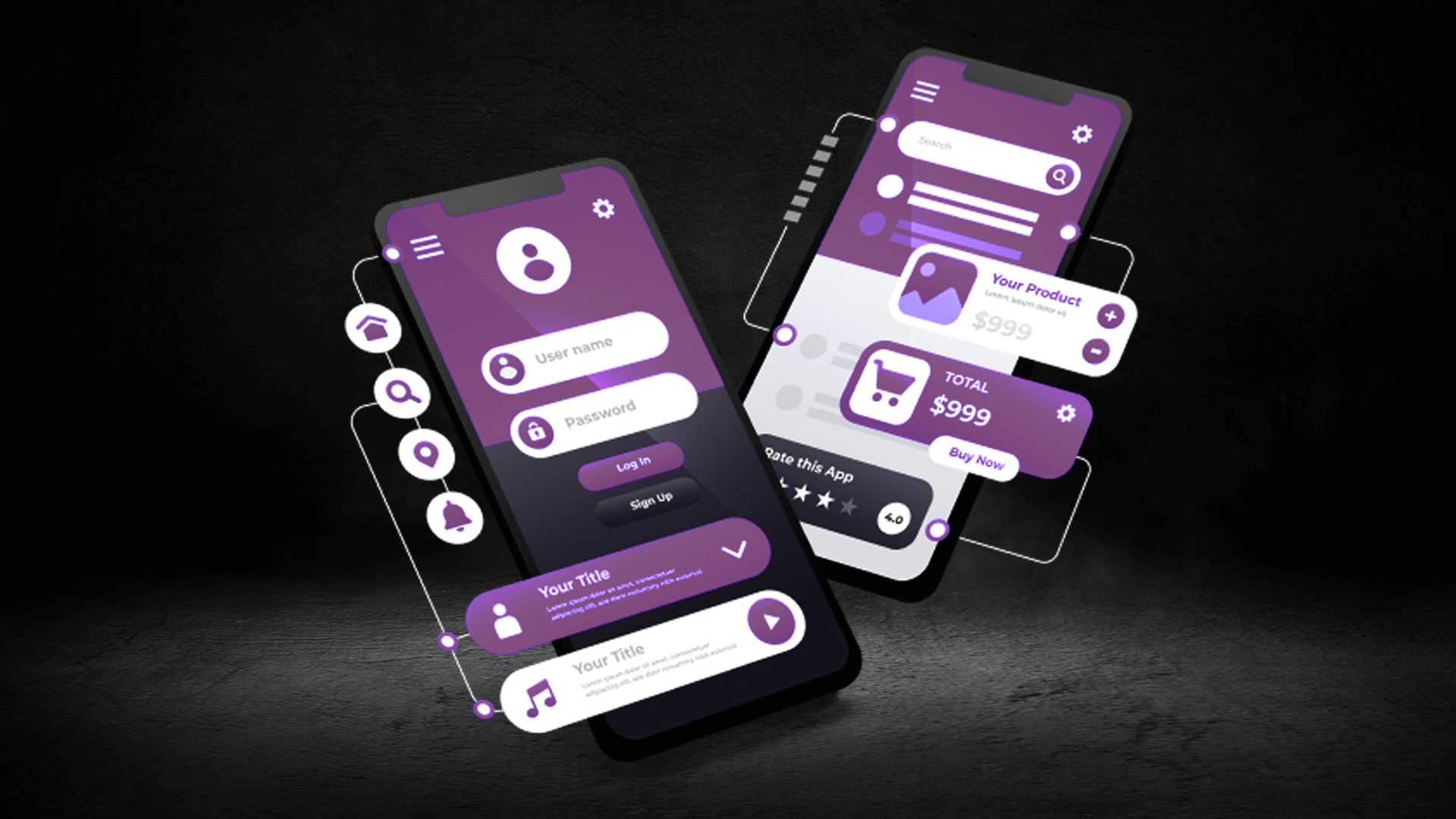

Everyday life is becoming increasingly connected through smartphones, making it easier for people to communicate, learn, shop, travel, and manage daily responsibilities. Android app development plays an important role in this transformation by creating applications that offer convenient solutions to common problems. From managing personal schedules to accessing educational resources, Android applications help people complete tasks efficiently and stay connected with the digital world.
The Growing Role of Android Applications
Smartphones have become essential tools for people of different ages and professions. Individuals use mobile applications to organize their routines, communicate with others, access information, and manage personal activities. Android provides a flexible environment for creating applications that serve a wide range of needs.
The growing use of smartphones has also changed how people interact with services. Instead of visiting physical locations for every task, users can often access information and complete activities directly through their devices. This convenience has encouraged the development of applications for education, entertainment, transportation, healthcare, shopping, and personal productivity.
As digital habits continue to evolve, mobile applications are becoming more focused on simplicity, accessibility, and practical value.
Improving Communication and Connectivity
Communication is one of the most significant areas influenced by mobile technology. Messaging applications, video calling platforms, and social networking tools allow people to maintain relationships regardless of geographical distance.
These applications make it possible to share messages, photographs, documents, and updates within seconds. Families can remain connected across countries, students can collaborate on assignments, and professionals can communicate with colleagues while working remotely.
Modern communication applications also include features such as notifications, group conversations, file sharing, and multimedia support. When these features are designed carefully, they help users communicate more effectively without unnecessary complications.
Reliable connectivity has therefore become an important consideration when creating applications that support everyday interactions.
Making Education More Accessible
Digital learning has created new opportunities for students, teachers, and independent learners. Educational applications provide access to lessons, practice exercises, digital libraries, language-learning activities, and recorded lectures.
Students can learn at their own pace, revisit difficult concepts, and organize study schedules according to their needs. Interactive quizzes and progress tracking can also help learners understand their strengths and identify areas that require additional attention.
Teachers can use educational platforms to distribute learning materials, communicate with students, and monitor assignments. These features are particularly useful when learners cannot attend traditional classrooms regularly.
However, successful educational applications must offer clear navigation, readable content, and reliable performance. Accessibility features and support for different screen sizes can make learning more comfortable for a wider audience.
Simplifying Shopping and Everyday Services
Mobile applications have changed the way consumers discover products and access services. Shopping platforms allow users to explore product information, compare prices, manage orders, and receive delivery updates without visiting multiple stores.
Many service applications also support appointment scheduling, digital payments, reservations, and customer assistance. These functions reduce the effort required to complete routine activities and provide users with greater control over their time.
A convenient application should present information clearly and make important actions easy to find. For example, a shopping application needs a straightforward checkout process, understandable product descriptions, and helpful order notifications.
Security is equally important when applications handle payment details or personal information. Clear privacy policies, secure authentication, and responsible data management help users feel more confident when using digital services.
Enhancing Personal Productivity
People often manage several responsibilities throughout the day, making productivity applications increasingly useful. Calendar tools, reminder applications, note-taking platforms, and task managers help users organize activities and maintain consistent routines.
Features such as recurring reminders, synchronized schedules, and searchable notes make it easier to keep track of important information. Some applications also support collaboration, allowing groups to share tasks and coordinate responsibilities.
The best productivity tools focus on practical functionality rather than overwhelming users with unnecessary options. A clean interface, quick loading times, and dependable synchronization can significantly improve the overall experience.
By reducing repetitive manual work, these applications allow people to spend more time on activities that require attention and creativity.
Why User Experience Matters
An application’s usefulness depends not only on its features but also on how easily people can use them. Confusing menus, slow responses, and complicated registration processes can discourage users, even when an application offers valuable functionality.
Effective design begins with understanding the intended audience. Developers and designers should consider users’ goals, technical experience, accessibility requirements, and common usage patterns before deciding how an application should work.
Simple navigation, readable typography, consistent layouts, and meaningful feedback help create a comfortable experience. Testing designs with real users can reveal problems that may otherwise remain unnoticed until after release.
Performance also contributes to usability. Applications should respond quickly, handle interruptions appropriately, and work reliably across supported devices. Regular testing helps identify issues before they significantly affect users.
Security, Privacy, and Reliable Performance
As mobile applications become part of everyday life, protecting personal information has become increasingly important. Applications may handle account details, location information, messages, payment records, or other sensitive data.
Developers should collect only the information necessary for an application’s purpose and explain how that information is used. Appropriate authentication, secure communication, careful permission management, and regular maintenance can reduce potential risks.
Compatibility is another important consideration. Android devices differ in screen size, hardware capabilities, operating system versions, and performance levels. Applications should be tested across relevant device configurations to provide a consistent experience.
Ongoing updates can address technical problems, improve security, and introduce useful features. Maintenance should therefore be considered an essential part of an application’s lifecycle rather than an optional activity after launch.
The Future of Mobile Experiences
Mobile technology continues to create opportunities for more personalized and interactive experiences. Artificial intelligence can support features such as smarter recommendations, language assistance, automated organization, and conversational interfaces.
Cloud services can help synchronize information across devices, while location-based features can provide relevant directions and nearby information when users grant the necessary permissions. Wearable devices and connected products may also extend mobile experiences beyond smartphones.
These technologies are most effective when they solve genuine problems instead of adding complexity. Developers must consider privacy, accessibility, reliability, and user expectations when introducing new capabilities.
The future of mobile applications will depend on balancing innovation with practical usefulness. Applications that remain easy to understand while adapting to changing needs are more likely to provide lasting value.
Conclusion
Android applications have become valuable tools for communication, education, shopping, productivity, and many other everyday activities. Their greatest advantage lies in making useful services more accessible while reducing the time and effort required to complete routine tasks. Continued improvements in design, performance, security, and emerging technologies will help create more dependable digital experiences. Thoughtful Android application development solutions can support this progress by focusing on real user needs, accessible features, and reliable functionality. Ultimately, successful mobile applications are those that make everyday life simpler, safer, and more convenient.



