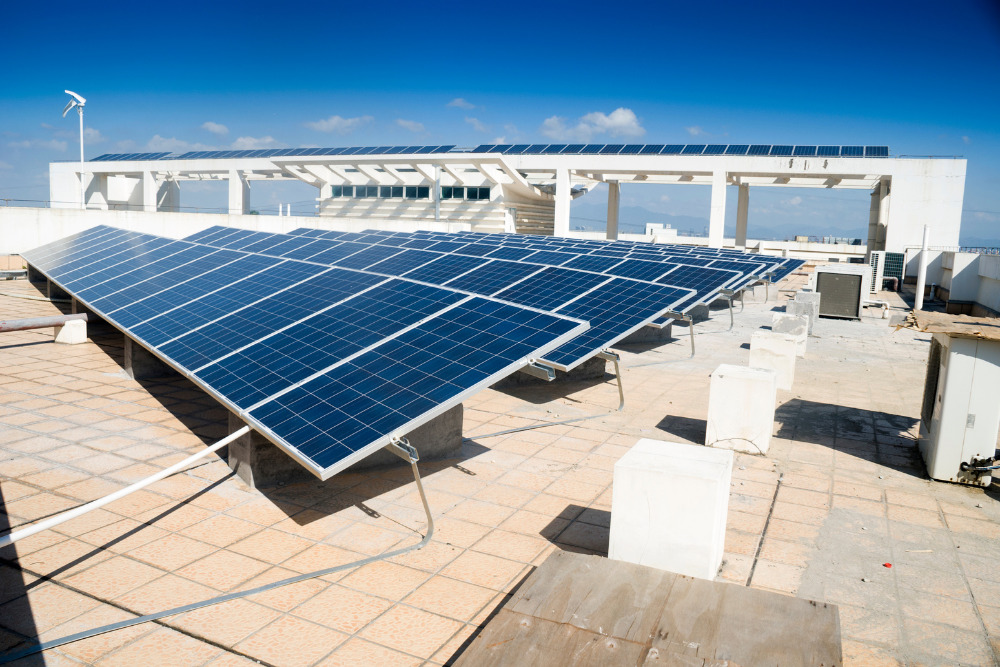
Solar energy has become a practical option for many businesses looking to manage electricity costs and reduce their reliance on conventional power sources. Improvements in solar technology, installation methods, and energy planning have made modern systems more efficient than earlier generations. As businesses consider long-term energy strategies, understanding how well
commercial solar installation performs today can help them make informed decisions.
Improved Solar Panel Efficiency
Modern solar panels can convert a greater portion of sunlight into usable electricity than many older systems. While efficiency varies based on panel design, weather, orientation, and installation conditions, technological improvements have steadily increased energy production. Better performance means businesses can generate more electricity from available roof or ground space, which is particularly useful for properties with limited installation areas.
Smarter System Design
Efficiency depends on more than the panels themselves. A properly planned system considers the building’s energy consumption, available sunlight, roof structure, and seasonal conditions. Professional assessments can help determine the appropriate system size and placement. Careful planning reduces energy losses and allows solar generation to better match the business’s electricity requirements.
Better Energy Conversion
Inverters play an important role in turning the electricity produced by solar panels into usable power for a commercial property. Advances in inverter technology have improved energy conversion and system monitoring. Modern equipment can also provide useful information about electricity production and system performance. This data helps property owners identify changes in output and address potential issues more quickly.
The Role of Energy Storage
Battery storage can further improve the usefulness of solar energy. Instead of relying only on electricity produced during daylight hours, businesses can store excess energy for later use. This can be helpful when electricity demand continues after sunset or when solar production temporarily decreases. However, the value of storage depends on factors such as energy consumption patterns, electricity rates, and local conditions.
Installation Quality Matters
Even highly efficient equipment can underperform if it is poorly installed or incorrectly positioned. Shading, unsuitable angles, wiring problems, and inadequate system sizing can reduce energy production. Quality commercial solar installation therefore involves careful site evaluation, accurate system design, and proper installation practices. Regular maintenance can also help preserve performance over the system’s operating life.
Measuring Long-Term Efficiency
Solar efficiency should be viewed over many years rather than judged by daily production alone. Weather naturally affects output, while panels gradually experience normal performance degradation. Monitoring energy generation over time provides a clearer picture of how effectively a system is operating. Businesses can compare production with expected results and make adjustments when necessary.
A Practical Energy Investment
The efficiency of solar technology today makes it a viable consideration for many commercial properties. However, every building has different energy needs and site conditions. Factors such as local sunlight, electricity consumption, available space, financing, and maintenance requirements can influence the overall value of a system.
Ultimately, commercial solar installation is most effective when technology, system design, and ongoing management work together. Businesses that carefully evaluate their energy use and property conditions can better understand what solar can realistically provide. With continued improvements in efficiency and energy management, solar power remains an increasingly practical approach to producing electricity while supporting more sustainable business operations.