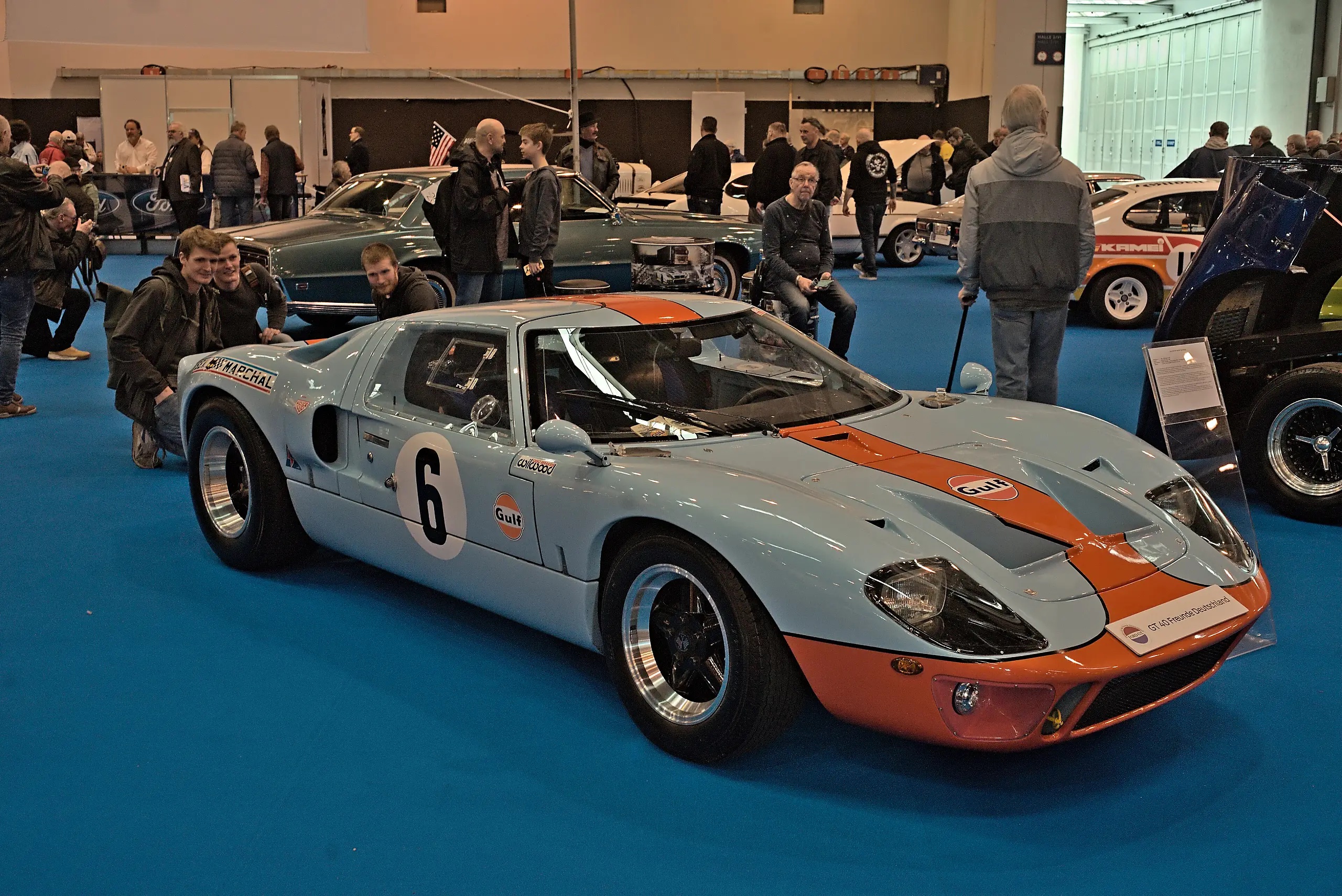

Classic cars invite a slower kind of attention. They turn an ordinary weekend drive into an occasion and teach patience through small, practical rituals. This guide shows how road trips, shared maintenance, and careful learning can make classic ownership rewarding from the start.
The Road Trip That Sets the Tone
A first classic-car road trip does not need to be long or ambitious. Choose a route with good roads, easy stops, and a sensible loop back home. Check the fluids, tire pressures, lights, and battery before setting out, then pack a basic toolkit and a charged phone. The goal is confidence, not distance.
Pack for the Car, Not Just the Destination
Bring engine oil, coolant, a funnel, rags, work gloves, zip ties, fuses, and a small flashlight. A paper map is a useful backup when a quiet road has no signal. Keep water and a blanket in the boot, and tell someone where you are going. These small preparations let you enjoy the drive instead of worrying about it.
Let the Car Set the Pace
An older car rewards smooth inputs and steady attention. Listen for new rattles, watch the temperature gauge, and stop when something feels different. Pull over for photographs, a roadside coffee, or a view that deserves a pause. The romance of a classic often lives in those unplanned stops and the conversations they create.
Shared Weekends and the Social Side
Classic cars become more enjoyable when they are shared. A weekend morning drive with a friend, a local coffee meet, or a club run gives the car purpose and gives you company. You do not need a perfect show car to join in. Curiosity, good manners, and a willingness to learn are usually enough.
Learn From Other Owners
Ask how long someone has owned their car, what they check before a drive, and which parts are hardest to find. Owners often enjoy explaining small details, from correct hubcaps to period tools. Take notes, compare experiences, and respect the choices other people make with their cars.
Make Maintenance a Shared Ritual
Invite a friend to help with an oil change, a brake inspection, or a simple wash and wax. Working together makes the jobs safer and more sociable. Set out tools, take your time, and clean up properly afterward. Shared weekends build skills and memories at the same time.
The Romance of an Old Car
An old car engages the senses in ways modern transport rarely does. There is the weight of a door, the smell of leather and petrol, the warmth of a wooden dashboard, and the mechanical feedback through the steering wheel. These details make even a short drive feel like an event.
Beauty With History
Classic design carries the story of its era: chrome trim, simple gauges, sculpted panels, and colors that reflect a different mood. Looking closely helps you appreciate originality, thoughtful restoration, and the small details that define a model. For a visual reference, the classic car photo gallery from Details of Cars is a useful place to study shapes, finishes, and period details.
Drive It With Respect
The romance grows when the car is used properly. Warm it gently, avoid harsh starts, and give it time to cool after a run. Keep the tires at the right pressure and the fuel system clean. A classic that is driven regularly, with care, often stays healthier than one that sits unused.
What a Classic Teaches About Patience and Care
Classic ownership is a practical lesson in patience. Parts may need searching, repairs may take longer than expected, and weather can change the plan. The reward is a calmer approach: you learn to diagnose before replacing, ask before forcing, and accept that good work takes time.
Build a Care Calendar
Keep a simple schedule for oil, filters, brake fluid, coolant, tires, and battery checks. Add seasonal jobs such as rust inspection after winter or a cooling-system check before summer. A calendar prevents small issues from becoming expensive ones and makes ownership feel manageable rather than mysterious.
Keep Records and Observe
Note mileage, parts, part numbers, dates, and any symptoms you notice. Photograph repairs before and after, and keep receipts in a folder. Observation is part of care: a new drip, a changed sound, or a faint smell is easier to solve when you have a written baseline to compare against.
Advice for Beginners
Start with curiosity rather than pressure. Visit local meets, read about models you like, and talk to owners before buying. Decide how you want to use the car: weekend drives, shows, or longer tours. That answer will guide the model, condition, and budget you choose.
Choose a Car With Support
Look for a model with an active owners’ club, available parts, and clear technical information. Inspect the body, chassis, electrics, and service history carefully, and take an experienced owner with you. Originality matters, but a well-maintained car with honest records is often the better first purchase.
Budget Beyond the Purchase
Set aside money for insurance, storage, tools, tires, servicing, and unexpected repairs. Classic cars reward preventive spending. A modest car with a healthy budget is more fun than a rare car that stretches every resource and keeps you from driving it.
Drive, Ask, and Learn
Join a club, attend a beginner-friendly workshop, and practice simple checks at home. Learn how to change a wheel, check fluids, and identify warning signs. Keep your first trips local and build confidence. The skills come faster when you use the car regularly and ask questions without embarrassment.
Loving classic cars is less about perfection than participation. A thoughtful road trip, a shared weekend, and a patient approach to care can turn an old car into a lasting source of pleasure. Start small, stay curious, and let the car teach you its pace.