Physical Address
304 North Cardinal St.
Dorchester Center, MA 02124
Physical Address
304 North Cardinal St.
Dorchester Center, MA 02124

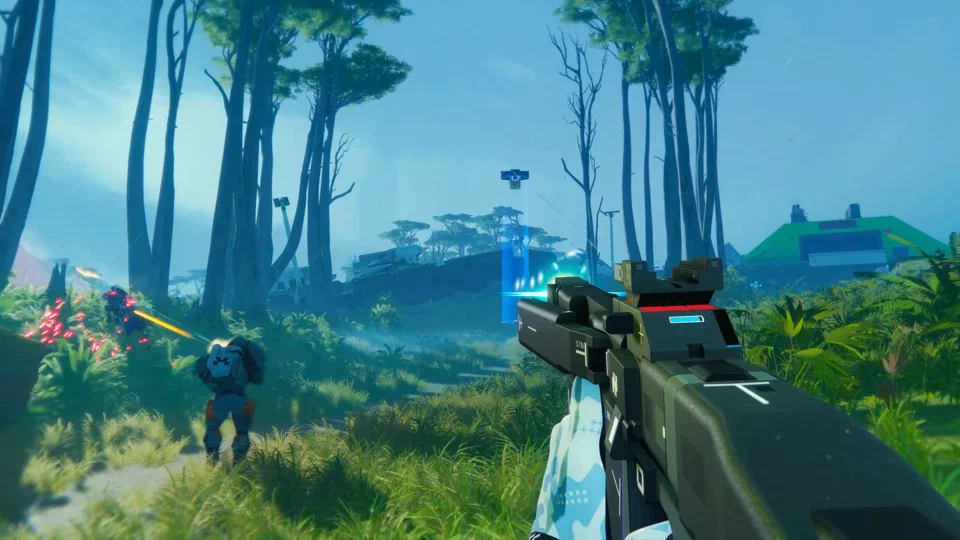
Creating a successful video game requires more than an exciting concept, talented developers, and compelling gameplay. It also requires a carefully planned budget. Whether you are building an indie title, a mobile game, or a large-scale PC and console project, financial planning can determine whether your game reaches completion on time and delivers the expected quality.
A well-structured budget helps you allocate resources, manage risks, control expenses, and make informed decisions throughout production. Working with an experienced game development company can also help you estimate costs more accurately because professional teams understand the resources, technologies, and development stages involved in bringing a game from concept to launch.
In this guide, we explore the key elements of a game development budget and practical steps for creating one.
Before estimating costs, define exactly what you want to build. A vague concept makes accurate budgeting almost impossible.
Start by documenting important project details, including:
Game genre and core gameplay
Target platform or platforms
Target audience
Game modes and features
Art style
Number of playable characters
Expected game length
Multiplayer requirements
Monetization strategy
Technology or game engine
Target launch date
For example, a simple 2D mobile puzzle game may require a relatively small team and development period. A multiplayer 3D action game with detailed environments, advanced artificial intelligence, and cross-platform functionality will require considerably more resources.
The more specific your project scope is, the easier it becomes to estimate development expenses.
A game development budget should not be treated as one large expense. Divide the project into clear stages so you can understand where your money is going.
Typical development stages include:
Pre-production is where the game’s foundation is established. Costs may include game design, market research, technical planning, prototypes, concept art, and project management.
This stage is particularly important because decisions made early can significantly affect later development costs.
Production is usually the largest part of the budget. Developers build gameplay systems, artists create assets, designers create levels, and programmers integrate the different components.
Expenses can include:
Programming
2D and 3D art
Animation
Game design
Level design
Sound design
Music
User interface development
Quality assurance
Project management
Testing is essential for identifying bugs, performance problems, compatibility issues, and gameplay problems.
Your budget should account for testing throughout development rather than treating QA as something that happens only immediately before launch.
The budget should continue beyond the game’s release. Marketing, server costs, customer support, updates, patches, downloadable content, and community management can all generate ongoing expenses.
People are often the largest expense in game development. Your budget should identify which roles are required and how long each person will be involved.
Depending on the project’s scope, a development team may include:
Game producers or project managers
Game designers
Gameplay programmers
Backend developers
UI/UX designers
2D artists
3D artists
Animators
Technical artists
Sound designers
Writers
QA testers
Marketing specialists
There are several ways to build your team. You can hire an internal team, work with freelancers, outsource specific tasks, or partner with a game development company.
The right approach depends on your project requirements, timeline, available resources, and desired level of control.
When comparing development providers, avoid looking only at hourly or project rates. Consider experience, portfolio quality, communication, development methodology, technical capabilities, and post-launch support.
The structure of your development team has a major effect on the budget.
An in-house team gives you greater control over daily development and communication. However, salaries, benefits, office expenses, equipment, software licenses, and recruitment can make this model expensive.
Freelancers can be useful for specialized tasks such as concept art, music, animation, or programming. They may provide flexibility, although managing multiple freelancers can create coordination challenges.
Outsourcing some or all development to a game development company can provide access to specialized professionals without requiring you to build a large internal team.
For many projects, outsourcing also makes it easier to scale development resources according to production requirements.
Technology expenses are another important part of the budget.
Depending on your project, you may need:
Game engine licenses or fees
3D modeling software
Animation tools
Audio software
Version control systems
Project management platforms
Cloud hosting
Analytics tools
Testing devices
Development hardware
Third-party APIs and services
Some development tools are free at smaller scales, while others use subscription, usage-based, or revenue-based pricing models.
Do not assume that choosing a free development tool means your entire technology budget will be zero. Additional plugins, assets, services, hosting, and specialized software may still be necessary.
Visual and audio assets can have a substantial effect on the final cost of a game.
A project with a simple stylized art direction may require fewer resources than a photorealistic game featuring highly detailed characters, environments, animations, and cinematic sequences.
When planning your art budget, consider:
Character models
Environment assets
Props
Textures
Visual effects
Character animations
UI elements
Cutscenes
Concept art
Promotional artwork
Audio expenses may include original music, sound effects, voice acting, localization, and audio implementation.
A clear art direction established during pre-production can prevent unnecessary asset creation and costly revisions later.
One common budgeting mistake is underestimating QA.
Games can contain thousands of interactions, and a problem in one system can affect many other parts of the experience. Testing should therefore be integrated throughout production.
Your QA budget may cover:
Functional testing
Gameplay testing
Compatibility testing
Performance testing
Multiplayer testing
Device testing
Localization testing
User acceptance testing
Regression testing
Early testing can also save money. Finding a problem while a feature is being developed is generally easier than discovering it after multiple systems have been built around it.
A great game still needs visibility. Marketing should therefore have a dedicated place in your financial plan.
Potential marketing expenses include:
Website development
Trailers
Gameplay videos
Social media campaigns
Influencer partnerships
Advertising
Public relations
Events and exhibitions
Press materials
App store or platform assets
Community management
The appropriate marketing budget depends heavily on the game’s audience, platform, business model, and launch strategy.
If you plan to release internationally, you may also need localization and region-specific marketing.
Even the most detailed development plan can encounter unexpected expenses.
Features may take longer than expected. Technical problems may require additional engineering. A platform may introduce new requirements. Scope may change after testing.
For these reasons, avoid allocating every dollar of your available budget to planned expenses.
A contingency reserve provides flexibility when unexpected costs arise. The appropriate percentage depends on the complexity and risk profile of the project, but the key principle is simple: leave room for uncertainty.
Instead of spending your entire budget without checkpoints, divide development into milestones.
For example:
Concept and pre-production
Prototype
Vertical slice
Core production
Alpha
Beta
Launch preparation
Release
Post-launch support
Each milestone should have measurable deliverables and an associated budget.
This approach allows stakeholders to evaluate progress before committing additional resources. If the project is significantly over budget or behind schedule, you can identify the problem earlier and adjust the scope.
Scope creep occurs when additional features are continually added after development has already begun.
A small feature may seem inexpensive on its own, but it can create additional requirements for programming, art, animation, testing, UI, localization, and support.
Create a prioritized feature list before production begins. Divide features into categories such as:
Essential
Important
Optional
Future updates
If the budget becomes constrained, optional features can be postponed rather than allowing core development to suffer.
Your financial planning should not stop when the game is published.
Depending on the type of game, you may need ongoing funding for:
Server infrastructure
Bug fixes
Security updates
Customer support
Content updates
New features
Downloadable content
Community management
Live operations
Marketing campaigns
For multiplayer and live-service games, post-launch costs can be particularly significant because servers, moderation, support, and regular content updates may continue for years.
Once you understand the project requirements, organize the numbers into a budget spreadsheet.
A basic structure could include:
| Category | Estimated Cost | Actual Cost | Difference |
|---|---|---|---|
| Pre-production | $X | $X | $X |
| Programming | $X | $X | $X |
| Art and animation | $X | $X | $X |
| Audio | $X | $X | $X |
| QA and testing | $X | $X | $X |
| Software and tools | $X | $X | $X |
| Marketing | $X | $X | $X |
| Launch costs | $X | $X | $X |
| Post-launch | $X | $X | $X |
| Contingency | $X | $X | $X |
Tracking estimated and actual spending allows you to identify budget deviations before they become serious problems.
If you are working with a game development company, review the budget together before signing the development agreement.
Ask questions such as:
What is included in the quoted price?
Which services are billed separately?
How are change requests handled?
What happens if the project takes longer than expected?
Who owns the game’s source code and assets?
Are testing and QA included?
Is post-launch support included?
What are the payment milestones?
Are third-party tools or services additional costs?
A clear agreement can prevent misunderstandings later.
Creating a successful game development budget requires more than calculating developer salaries. You need to account for design, programming, art, audio, testing, technology, marketing, launch expenses, and post-launch support.
The most effective approach is to define the game’s scope first, divide development into stages, estimate each resource category, establish milestones, monitor actual spending, and maintain a contingency reserve.
Whether you build internally or partner with a game development company, a detailed budget gives your team a financial roadmap. It helps you make informed decisions, manage risks, prioritize features, and keep development aligned with the project’s goals.
Most importantly, remember that a budget is not a document you create once and forget. It should evolve as the game moves from concept to production and eventually to launch. Regular reviews and disciplined scope management can help ensure that your development investment is used efficiently while keeping the creative vision of the game intact.




