
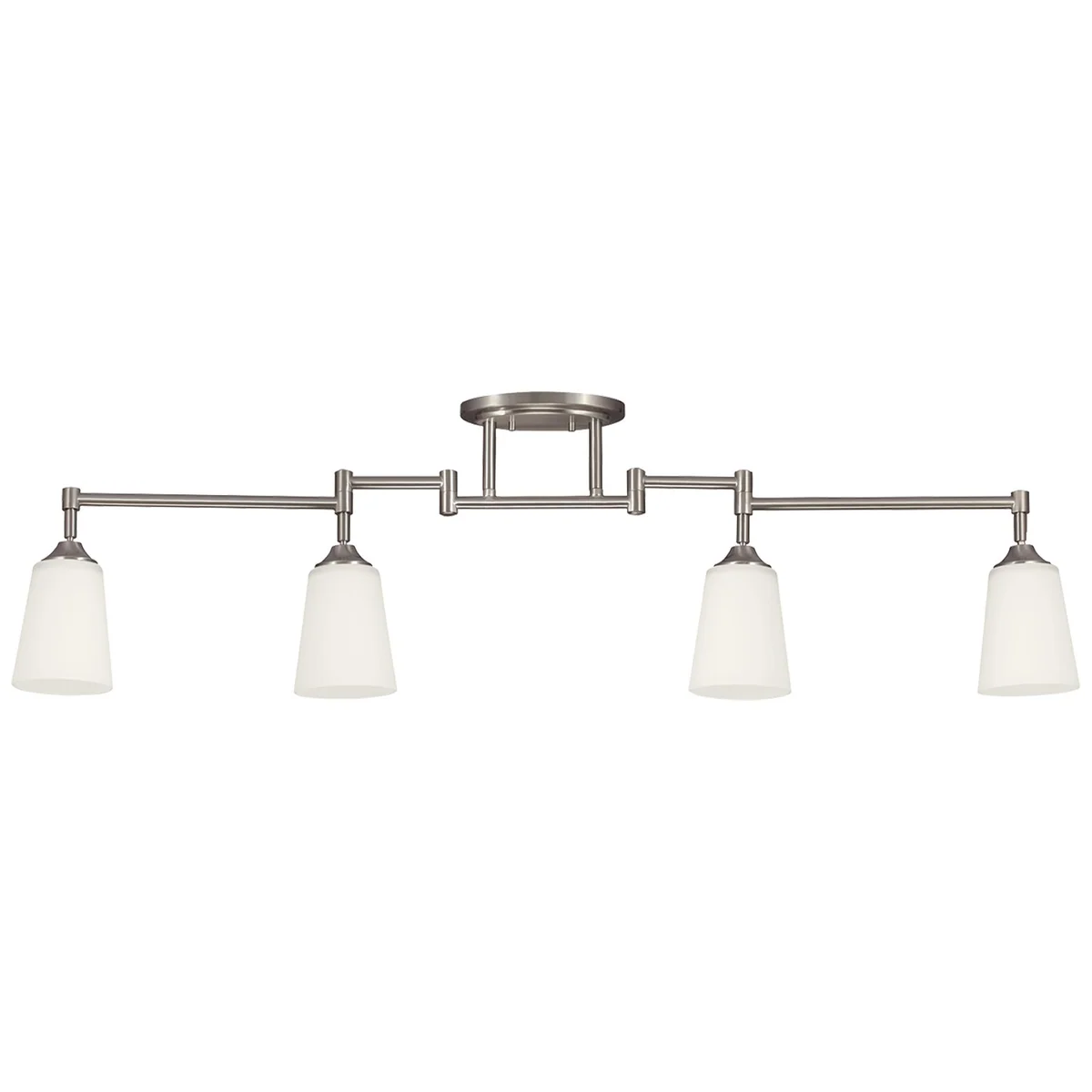

Lighting plays an important role in making a home comfortable, attractive, and useful. The right lighting can improve the appearance of a room, highlight special design features, and make everyday activities easier. One flexible lighting option is a track light system. It allows homeowners to direct light toward selected areas, making it useful for both accent lighting and task lighting.
Whether you are planning a new living room, updating a kitchen, or improving your home office, track lighting can help create a balanced lighting arrangement. It can also work well with other fixtures, such as ceiling fans, to improve the overall look and comfort of a space. By understanding how track lighting works and where to use it, you can create a room that looks beautiful and provides the right amount of light for different activities.
What Is Track Light and How Does It Work?
A track light system uses a track mounted on a ceiling or wall. Individual light fixtures, often called heads, are attached to the track. These heads can usually be moved or adjusted along the track, allowing light to reach different parts of a room. This makes track lighting a flexible choice for many indoor spaces.
Unlike a fixed ceiling fixture, track lighting allows you to direct light toward specific objects or work areas. Some systems have straight tracks, while others offer flexible designs or different shapes. Depending on the system, the light heads may also be adjusted to change the direction of the beam. This flexibility makes track lighting useful for both decorative and practical purposes.
Understanding Accent Lighting and Task Lighting
Accent lighting and task lighting serve different purposes. Accent lighting is used to highlight selected features in a room, such as artwork, shelves, decorative walls, or furniture. It adds depth and visual interest by drawing attention to certain areas. A focused track light is often suitable for this purpose because its direction can be adjusted.
Task lighting provides focused illumination for activities that need clear visibility. Reading, cooking, writing, working, and preparing food are common examples. A track lighting system can direct light toward a desk, kitchen counter, or reading area. Using both lighting types in the same room can create a comfortable balance between appearance and everyday function.
Why Use Track Light for Accent and Task Lighting?
One of the main benefits of track lighting is its flexibility. You can adjust the light heads to highlight different features or provide illumination where it is needed most. This makes it useful in rooms where several activities take place. For example, a living room may need accent lighting for artwork and task lighting for a reading corner.
Track lighting also offers different styles, finishes, and fixture designs. This makes it easier to coordinate the lighting with the room’s furniture and decoration. By selecting suitable light sources and positioning each head carefully, homeowners can create a lighting arrangement that supports both comfort and style.
Use Track Light to Highlight Wall Art and Decorations
Artwork and decorative pieces can become important visual features in a room. A focused track light can help draw attention to paintings, photographs, wall decorations, and other special items. Directing light toward these objects can make them stand out and add visual depth to the space.
When lighting artwork, consider the size and position of the object. The light should cover the main area without creating strong glare or unwanted reflections. Adjustable track heads make it easier to change the direction of the beam. You can also use more than one light head when a larger artwork needs even illumination.
Create Beautiful Accent Lighting for Living Rooms
Living rooms often include several decorative features, such as bookshelves, wall displays, family photographs, and special furniture pieces. Track lighting can highlight these areas and create a more interesting atmosphere. Instead of lighting every part of the room equally, you can direct light toward selected features.
A living room also needs general lighting for everyday comfort. Combining a track light system with other ceiling fixtures can help create different layers of light. For example, a central ceiling fixture can provide general illumination, while adjustable track heads highlight artwork or a decorative wall. This arrangement gives the room a balanced and welcoming appearance.
Use Track Light for Kitchen Task Lighting
The kitchen is one of the most useful places for task lighting. Food preparation, cooking, cleaning, and reading recipes all require clear visibility. A track light system can direct focused light toward work areas such as kitchen counters, islands, and food preparation surfaces.
For the best result, position the light heads so they illuminate the working surface rather than shining directly into someone’s eyes. Multiple adjustable heads can cover different sections of a kitchen. Choosing a suitable brightness and color temperature can also help create a comfortable environment for daily cooking and other kitchen activities.
Improve Dining Areas With Track Light
Dining areas need lighting that supports meals while creating a pleasant atmosphere. Track lighting can be used to highlight a dining table, wall decoration, or nearby display cabinet. Adjustable fixtures make it possible to direct light toward the table and other important areas without changing the entire lighting arrangement.
A warm light color can create a relaxed feeling during family meals and social gatherings. You can also combine track lighting with a pendant fixture above the dining table. This creates layers of light and helps the dining area feel connected to the rest of the room.
Add Focused Lighting to a Home Office
A home office needs lighting that supports reading, writing, computer work, and other daily tasks. A well-positioned track light can provide focused illumination for a desk or work surface. It can also highlight bookshelves, storage areas, or decorative items around the workspace.
When planning office lighting, think about the position of your computer screen and the direction of natural light. Place the track heads so they provide useful illumination without creating reflections on the screen. A balanced lighting arrangement can make the workspace more comfortable and help you complete everyday tasks.
Use Track Light to Highlight Hallways and Entryways
Hallways and entryways are often smaller areas, but they still benefit from good lighting. Track lighting can highlight wall pictures, decorative mirrors, or selected design features. It can also provide useful illumination along the walkway, helping the area feel more open and welcoming.
In a long hallway, several light heads can be positioned along the track to distribute light across different sections. In an entryway, one or two adjustable heads may be enough to highlight a decorative table or wall feature. The key is to choose a suitable arrangement for the size and layout of the area.
Choose the Right Track Light Beam Angle
The beam angle describes how wide or narrow the light spreads from a fixture. A narrow beam is useful when you want to highlight a small object or create a focused accent. A wider beam can cover a larger surface, making it suitable for general illumination or wider task areas.
Before selecting a track light, consider what you want to illuminate. A small painting may need a focused beam, while a kitchen counter may benefit from wider light coverage. The correct beam angle can help distribute light more effectively and create the visual result you want.
Select the Best Color Temperature for Each Area
Color temperature affects how light appears in a room. It is usually measured in Kelvin (K). Warm white light creates a soft and relaxing appearance, while neutral white light offers a more balanced look. Cool white light can provide a brighter appearance that may suit certain work areas.
For living rooms and dining spaces, warm or soft white light is often a comfortable choice. Kitchens, offices, and work areas may benefit from neutral white lighting. However, personal preference and the room’s design should also guide the decision. Choosing a consistent color temperature across nearby fixtures can help create a balanced appearance.
Combine Track Light With Ceiling Fans
A room may need both focused lighting and comfortable airflow. Combining a track light system with ceiling fans can help meet these needs. The fan supports air circulation, while track lighting highlights selected areas or provides focused illumination for everyday activities.
When planning both fixtures, consider their placement and the ceiling layout. Make sure the track and light heads have enough clearance from the fan blades. The lighting should also be positioned so that the fan does not create unwanted shadows across important work surfaces. Careful planning helps both fixtures work together as part of one room design.
Coordinate Track Light With Hunter Ceiling Fans
When designing a room with Hunter ceiling fans, it is useful to consider how the fan and track lighting will fit into the same ceiling layout. Think about the size of the fan, the position of the track, and the areas that need focused lighting. Keeping enough space between the fan blades and lighting fixtures is an important part of planning.
You can also coordinate the appearance of both fixtures with the room’s overall design. For example, matching finishes or choosing complementary styles can help create a consistent look. Whether the room is modern, traditional, or simple in design, the goal is to balance airflow, useful lighting, and visual appeal.
Choose the Right Track Light Style and Finish
Track lighting is available in different styles, shapes, and finishes. Some systems have a simple and modern appearance, while others feature more decorative details. The best option depends on the room’s design, ceiling style, and personal preference.
Consider the color of the ceiling, walls, furniture, and other fixtures before choosing a finish. A track that blends with the ceiling can create a simple appearance, while a contrasting finish can become a visible design feature. It is also important to check that the selected track and light heads are compatible with each other.
Plan the Position of Track Light Fixtures
Good positioning is essential for effective accent and task lighting. Before installing a track, identify the areas that need illumination. These may include a kitchen counter, reading chair, artwork, desk, or decorative shelf. Planning these locations first helps you decide where the track should be installed.
You should also consider the direction of natural light and the position of furniture. Light heads can then be adjusted to cover the selected areas more effectively. Avoid placing fixtures where they may create strong glare or unwanted shadows. For electrical installation, use a qualified electrician and follow the product instructions.
Maintain Your Track Light for Better Performance
Regular cleaning helps keep track lighting looking neat and working as expected. Dust can collect on the track, fixture bodies, and light covers. Before cleaning, switch off the power and allow the fixtures to cool. Use a soft microfiber cloth to remove dust from accessible surfaces.
Check the manufacturer’s instructions before removing or adjusting any parts. Avoid spraying cleaning products directly onto the fixtures or track. If a light needs electrical repair or the track requires technical adjustment, contact a qualified electrician. Proper care helps maintain the appearance and everyday performance of the lighting system.
Conclusion
A track light system is a flexible lighting option that can support both accent and task lighting in different parts of a home. It can highlight artwork, decorative features, shelves, and furniture while also providing focused illumination for kitchens, offices, and reading areas. Choosing the right beam angle, color temperature, fixture style, and position can help create a comfortable and attractive lighting arrangement.
You can also combine track lighting with ceiling fans to support both airflow and illumination in the same room. When planning a space with Hunter ceiling fans, consider the ceiling layout, fan clearance, and lighting positions to create a balanced design. With thoughtful planning and regular maintenance, track lighting can make everyday spaces more useful, welcoming, and visually appealing.



