
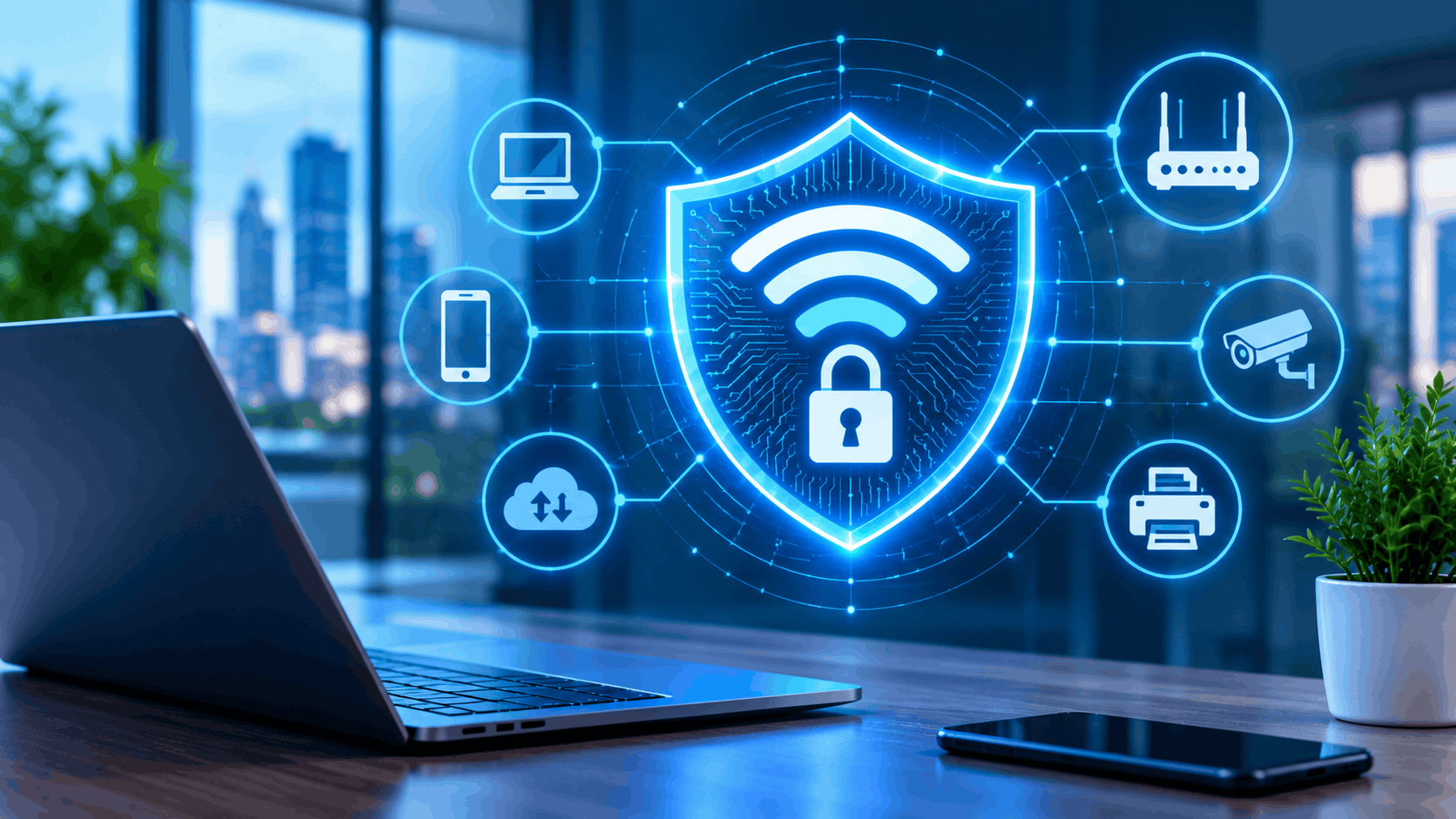

Wireless networks have become an essential part of everyday business operations. Employees use Wi-Fi to access company applications, customers connect through guest networks, and connected devices exchange information throughout the workplace. However, these conveniences can also introduce security weaknesses. Wireless Penetration Testing Florida helps businesses identify vulnerabilities in their wireless infrastructure by simulating the techniques attackers use to gain unauthorised access. For organisations in Orlando, Florida, regularly evaluating wireless security can help protect sensitive information and prevent intrusions into internal business networks.
Unlike wired connections, wireless signals can extend beyond the physical boundaries of an office. This means an attacker may be able to identify and target network vulnerabilities without entering the building. A weak password, an incorrectly configured access point, or inadequate network separation could provide an opportunity to access business resources.
Why Are Wireless Networks a Common Target for Cyberattacks?
Businesses depend on wireless connectivity for communication, cloud applications, payment systems, and daily operations. Unfortunately, poorly configured networks can expose these activities to security threats.
Some common reasons wireless networks become vulnerable include:
-
Weak or reused Wi-Fi passwords that attackers can attempt to crack.
-
Outdated encryption protocols that no longer provide sufficient protection.
-
Unauthorised access points connected to company infrastructure.
-
Guest networks that are not properly separated from internal systems.
-
Employees connecting to fraudulent wireless networks.
-
Insecure Bluetooth devices communicating with business equipment.
These weaknesses can result in stolen credentials, unauthorised access, intercepted communications, and potential exposure of confidential business information.
What Is Wireless Penetration Testing?
Wireless penetration testing is a controlled security assessment that examines how vulnerable an organisation’s Wi-Fi and related wireless technologies are to real-world attacks.
Security professionals use specialised tools and testing techniques to identify weaknesses in authentication, encryption, network configuration, and access controls. The objective is to understand whether an attacker could gain access to the wireless environment and what they might be able to reach after entering it.
A professional assessment generally examines:
Wireless Encryption: Evaluates WPA2 and WPA3 configurations to identify weak encryption settings and authentication weaknesses.
Authentication Security: Reviews password policies, enterprise authentication, and 802.1X configurations to identify potential access bypasses.
Rogue Access Points: Identifies unauthorised wireless devices that could provide attackers with an alternative entry point.
Network Segmentation: Checks whether guest, corporate, management, and IoT networks are properly isolated.
Bluetooth Security: Examines nearby Bluetooth devices for insecure pairing methods and other configuration weaknesses.
What Are the Most Common Wireless Network Attacks?
Understanding how attackers target wireless infrastructure helps businesses recognise why regular security assessments matter.
1. Evil Twin Attacks
An evil twin attack involves creating a fraudulent wireless access point that imitates a legitimate network. Employees or visitors may unknowingly connect to it, allowing attackers to attempt credential theft or intercept network communications.
2. Password Cracking
Attackers may capture wireless authentication handshakes and attempt offline password-cracking techniques. Weak or commonly used passwords make this process easier.
3. Deauthentication Attacks
These attacks attempt to disconnect wireless clients from legitimate access points. Attackers may use the disruption to encourage devices to reconnect through a fraudulent network.
4. Rogue Access Point Attacks
An unauthorised access point may be introduced by an insider or an external attacker. If it connects to internal infrastructure without proper controls, it can create an entry point into the corporate environment.
5. Bluetooth Vulnerabilities
Business environments often contain wireless peripherals, mobile devices, and connected equipment. Weak Bluetooth configurations or insecure pairing can expose devices to unauthorised connections.
Why Should Orlando Businesses Regularly Test Their Wireless Networks?
Orlando has a broad business community spanning healthcare, hospitality, retail, finance, manufacturing, and professional services. Many organisations in these industries rely on wireless connectivity to support employees, customers, payment systems, and connected equipment.
The scale of cybersecurity threats makes regular security assessments particularly important. Verizon’s 2025 Data Breach Investigations Report analysed 22,052 security incidents, including 12,195 confirmed data breaches. It also found that exploitation of vulnerabilities accounted for 20% of breaches as an initial access method.
Although these figures cover cybersecurity incidents broadly rather than wireless attacks specifically, they demonstrate the importance of identifying technical weaknesses before attackers exploit them.
For Orlando organisations, wireless assessments can help verify whether access points are configured correctly, confidential information is protected, and visitors cannot access internal business resources through guest connections.
How Does a Professional Wireless Security Assessment Work?
A structured assessment should examine the wireless environment from several perspectives rather than relying on a basic password check.
A typical testing process includes:
1. RF Site Survey: Security specialists map visible wireless networks, signal strength, channels, and potentially unauthorised access points around the facility.
2. Authentication Testing: WPA2, WPA3, 802.1X enterprise authentication, and captive portal configurations are examined for weaknesses.
3. Network Isolation Testing: Guest, corporate, IoT, and management networks are tested to determine whether unauthorised communication between segments is possible.
4. Rogue Access Point Testing: Security teams evaluate whether wireless clients can be tricked into connecting to fraudulent access points.
5. Bluetooth Assessment: Nearby Bluetooth devices are examined for insecure pairing and configuration issues.
6. Reporting and Remediation: Identified vulnerabilities are documented alongside their potential impact and practical recommendations for resolving them.
This approach gives businesses a clearer picture of their actual wireless security rather than relying entirely on documented network configurations.
How ISP Security Helps Businesses Identify Wireless Vulnerabilities
ISP Security provides specialised offensive security services designed to uncover weaknesses before malicious actors can exploit them. Its wireless security testing covers Wi-Fi and Bluetooth environments, including rogue access points, WPA2 weaknesses, guest network isolation failures, and 802.1X misconfigurations.
The company’s assessment process includes an RF site survey, authentication testing, network isolation checks, rogue access point testing, and post-compromise evaluation. This helps organisations understand not only whether a wireless vulnerability exists but also what an attacker could potentially access after exploiting it.
Businesses also receive a wireless security assessment report, RF survey findings, network isolation results, and configuration-level remediation guidance.
For organisations operating in Orlando, these assessments can help strengthen wireless infrastructure while supporting broader cybersecurity requirements across their IT environments.
Final Thoughts
Wireless connectivity makes business operations more convenient, but it also creates entry points that traditional perimeter security may overlook. Regular assessments, strong authentication, proper network segmentation, and rogue access point monitoring can help reduce these risks. Businesses looking to protect their wireless infrastructure and identify hidden security weaknesses can explore Wireless Network Security Florida assessment services from ISP Security .



