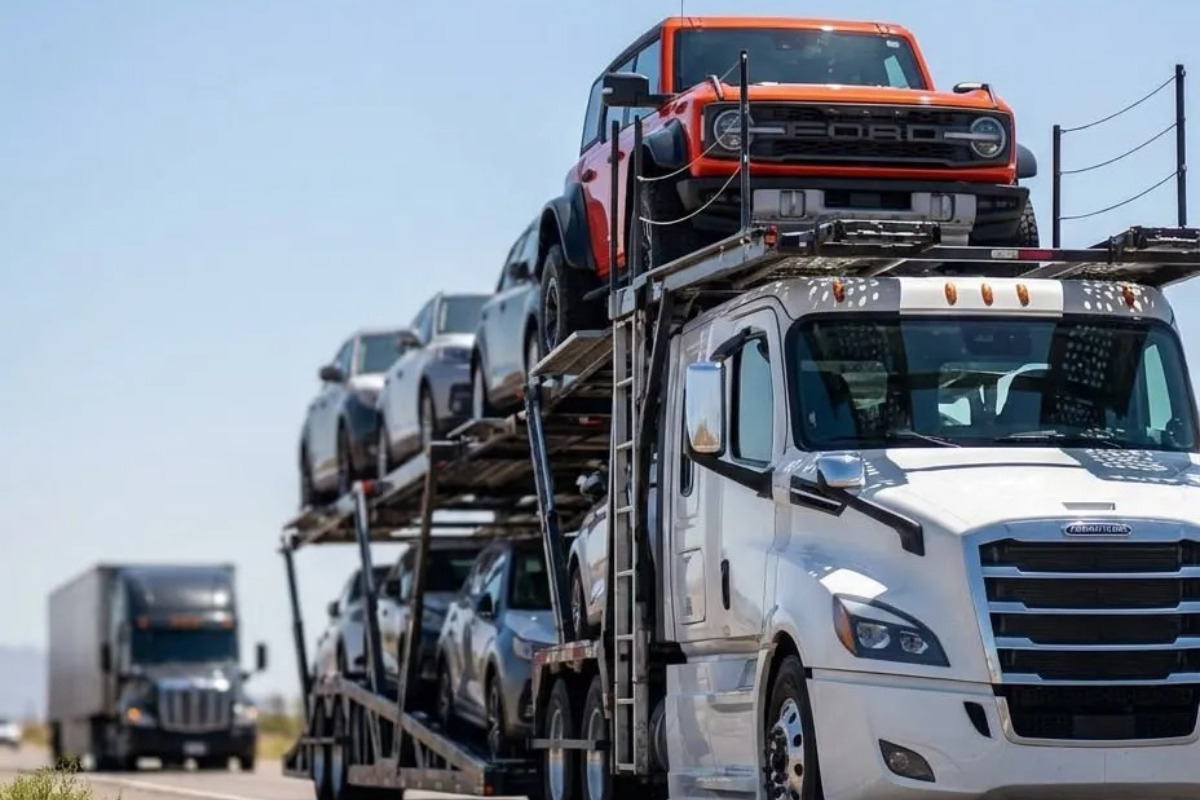

Moving a mobile home requires careful planning, specialized equipment, and experienced transportation professionals. Unlike moving a standard vehicle, relocating a manufactured or mobile home involves additional considerations, including dimensions, weight, route accessibility, permits, and transportation safety. Whether you are relocating to another state, moving closer to family, or transporting a property to a new location, choosing the right transportation provider can make the process easier and more efficient.
Understanding the Mobile Home Moving Process
Mobile home transportation involves moving a manufactured housing unit from its existing location to a new destination. Depending on the home’s size, construction, and condition, the transportation process may require specialized trailers, heavy-duty towing equipment, and professional handling.
Before scheduling a move, property owners should evaluate the mobile home’s dimensions, overall weight, structural condition, and accessibility. These details help transportation professionals determine the appropriate equipment and plan a suitable route.
Long-distance relocations also require coordination between pickup and delivery locations. Narrow roads, low bridges, overhead power lines, and local transportation restrictions can affect the route and scheduling.
Choosing Professional Mobile Home Moving Services
Selecting an experienced transportation company is an important part of relocating a manufactured home. Professional mobile home moving services can help customers coordinate transportation requirements, understand logistical considerations, and arrange suitable delivery solutions.
A reliable transportation provider should communicate clearly about scheduling, transportation arrangements, insurance responsibilities, and any additional services required before the move begins.
When comparing providers, consider their experience with oversized transportation, equipment capabilities, licensing requirements, insurance coverage, and familiarity with interstate transportation regulations. Asking questions before booking can help prevent unexpected complications.
Important Factors That Affect Mobile Home Transportation Costs
The cost of moving a mobile home depends on several factors. Understanding these elements can help property owners prepare a realistic transportation budget.
1. Distance Between Locations
Longer transportation distances generally increase overall costs because of fuel consumption, driver time, equipment requirements, and logistical coordination.
2. Mobile Home Size and Weight
Single-section and multi-section manufactured homes have different transportation requirements. Larger or heavier units may require additional equipment, specialized trailers, and more complex planning.
3. Permits and Transportation Regulations
Oversized loads may require special transportation permits, escort vehicles, or approved travel routes. Requirements vary depending on the states and jurisdictions involved.
4. Pickup and Delivery Accessibility
Difficult access roads, limited turning space, uneven terrain, and restricted delivery areas can increase the complexity of a transportation project.
5. Additional Preparation
Disconnecting utilities, removing exterior attachments, preparing the structure, and arranging site access may involve additional expenses. Property owners should confirm which preparation responsibilities are included in their transportation agreement.
Preparing Your Mobile Home for Transportation
Proper preparation is essential for reducing potential transportation problems. Before moving day, property owners should coordinate with qualified professionals to ensure that the home is ready for relocation.
Important preparation steps may include:
-
Disconnecting electrical, water, sewer, and other utility connections through qualified professionals.
-
Removing loose outdoor objects and unsecured exterior components.
-
Securing doors, windows, and interior belongings.
-
Checking the structural condition of the mobile home.
-
Confirming that the pickup and delivery locations are accessible.
-
Arranging required permits and transportation documentation.
-
Coordinating delivery timing with the destination property owner.
Preparation requirements can vary based on the home’s construction and the transportation method. Always confirm specific instructions with the responsible transportation professionals.
Understanding Interstate Mobile Home Moving Requirements
Moving a manufactured home across state lines involves more than arranging a vehicle and trailer. Transportation providers must consider applicable federal, state, and local requirements.
Depending on the dimensions and weight of the load, special permits, designated routes, travel restrictions, and escort vehicles may be necessary. Some states also have specific requirements regarding inspections, documentation, and mobile home installation at the destination.
Property owners should verify local placement requirements before transportation begins. The destination site may need appropriate foundations, utility connections, zoning approval, and other preparations before the home can be installed.
Working with knowledgeable professionals helps customers coordinate these requirements and avoid unnecessary delays.
Benefits of Planning Your Move in Advance
Early planning gives property owners more flexibility when arranging a mobile home relocation. Transportation companies can review the shipment details, evaluate possible routes, identify equipment requirements, and coordinate scheduling.
Advance planning can also help customers compare transportation estimates and understand what is included in the quoted price. Clear communication about pickup dates, delivery expectations, preparation responsibilities, and additional charges can make the relocation process more predictable.
For interstate moves, scheduling early is particularly important because permits and route approvals may require additional time.
Finding the Right Transportation Partner
A successful mobile home relocation depends on proper planning, suitable transportation equipment, and coordination among everyone involved. Customers should prioritize providers that offer transparent communication, clear transportation arrangements, and an understanding of the requirements associated with oversized loads.
All State to State Auto Transport provides nationwide transportation coordination for customers seeking vehicle and specialized transport solutions. Its transportation services cover a range of shipping needs across the United States.
Whether you are planning a short-distance relocation or a longer interstate move, reviewing your transportation requirements in advance can help you make informed decisions.
Final Thoughts
Moving a mobile home is a significant logistical project that requires attention to detail. From evaluating the home’s dimensions to arranging permits, selecting appropriate equipment, and preparing the destination, every stage contributes to a smoother relocation.
By researching transportation providers, understanding potential costs, and organizing the necessary preparations, property owners can approach their mobile home move with greater confidence. Choosing the right transportation solution helps make relocating a manufactured home more organized, manageable, and efficient.