
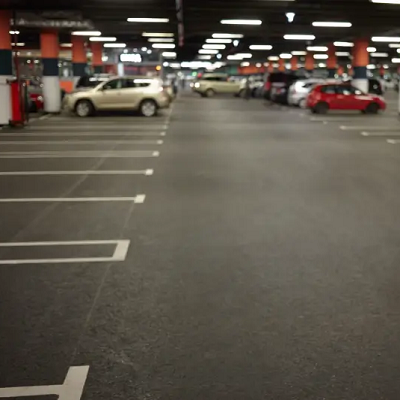

A well-organized parking facility plays an important role in creating a smooth and convenient experience for drivers, businesses, employees, and visitors. As Saudi Arabia continues to expand its cities, commercial developments, residential communities, shopping centers, hospitals, and tourism destinations, the demand for efficient parking solutions is growing. Traditional parking methods can struggle to manage increasing vehicle numbers, leading to congestion, wasted time, and unnecessary frustration.
A Parking Management System Saudi Arabia solution helps address these challenges by combining modern technology, automated processes, and organized parking operations. Such systems allow property owners and facility managers to monitor parking spaces, control vehicle access, manage payments, and improve the overall parking experience.
From busy commercial districts to large residential complexes, smart parking technology offers practical benefits for different types of facilities. Understanding how these systems work, which features matter most, and how to select the right solution can help organizations make informed decisions. This guide explores the essential aspects of parking management and its growing importance across Saudi Arabia.
What Is a Parking Management System?
A parking management system is a combination of hardware, software, and operational procedures designed to manage parking facilities efficiently. Depending on the requirements of a location, it may include entry and exit barriers, ticketing machines, license plate recognition cameras, payment terminals, parking sensors, and centralized management software.
Unlike traditional parking arrangements that depend heavily on manual supervision, modern systems automate many everyday tasks. Drivers can enter designated areas, locate available spaces, complete payments, and exit with fewer delays.
For facility managers, the technology provides better visibility into parking activity. Real-time information can help identify occupied spaces, monitor vehicle movement, manage access permissions, and generate useful operational reports.
In Saudi Arabia, these solutions can support various environments, including office buildings, hotels, hospitals, airports, shopping malls, universities, residential communities, and public parking facilities. Each location has different requirements, so the system should be selected according to traffic volume, operating hours, security needs, and the expected number of users.
Why Is Parking Management Important in Saudi Arabia?
Saudi Arabia’s ongoing urban development and expanding commercial infrastructure create new demands for convenient and reliable parking. Busy destinations often experience heavy vehicle movement during working hours, weekends, shopping periods, and special events.
An effective parking management solution helps facilities handle these demands without relying entirely on additional staff or manual procedures.
Reduced traffic congestion: Automated entry and exit processes can help minimize queues at parking gates. Faster vehicle processing reduces waiting times and supports smoother traffic movement around entrances.
Better use of available spaces: Parking monitoring tools help operators understand which spaces are occupied and when demand is highest. This information can support more efficient space allocation and reduce unnecessary searching.
Improved security: Access controls, surveillance integration, and vehicle records can help operators monitor activity and discourage unauthorized entry. Appropriate security measures also support better incident investigation.
Greater convenience: Digital payments, automated ticketing, and clear parking guidance make the experience easier for drivers. Visitors can spend less time dealing with parking procedures and more time at their intended destination.
More efficient operations: Automated reporting reduces some administrative tasks and gives managers a clearer understanding of daily parking activity.
These advantages make parking technology a valuable consideration for organizations seeking to improve service quality and operational performance.
Key Features of a Modern Parking Management System Saudi Arabia
When evaluating a Parking Management System Saudi Arabia solution, facility owners should focus on features that solve actual operational problems rather than selecting technology simply because it is available.
Automated Entry and Exit Control
Automatic barriers and access control devices regulate vehicle movement at designated entrances and exits. Depending on the configuration, drivers may use tickets, access cards, QR codes, mobile credentials, or license plate recognition.
Automation can reduce the need for manual ticket checks and help maintain an organized flow of vehicles. Facilities with frequent traffic may benefit significantly from faster access procedures.
License Plate Recognition Technology
License plate recognition cameras identify vehicle registration plates and connect the information with the parking management platform. Depending on system settings, authorized vehicles may enter without collecting a physical ticket.
This feature can be particularly useful for employee parking, residential communities, hotels, and facilities that manage registered visitors. Camera placement, lighting conditions, plate visibility, and local data protection requirements should be considered during installation.
Digital Payments and Flexible Billing
Modern parking systems may support contactless payments, electronic payment terminals, mobile payment options, prepaid accounts, and subscription-based access.
The available payment methods depend on the selected provider and its integration capabilities. A suitable system should support convenient payment procedures while providing accurate transaction records and appropriate security controls.
For commercial facilities, flexible billing can also help manage hourly parking, daily charges, monthly permits, and reserved spaces without relying on complicated manual calculations.
Real-Time Parking Monitoring
Sensors, cameras, and entry-exit records can provide information about parking occupancy. Depending on the installation, this information may appear on a central dashboard or connect with digital signs that guide drivers toward available spaces.
Real-time monitoring helps operators understand demand and respond to busy periods more effectively. It can also improve the use of existing parking capacity before additional spaces are considered.
Centralized Management and Reporting
A centralized platform allows authorized staff to monitor parking operations from a single interface. Reports may include occupancy levels, vehicle entries and exits, payment records, permit activity, and peak usage periods.
These insights help managers identify recurring problems, plan staffing requirements, evaluate parking policies, and make better-informed operational decisions.
How to Choose the Right Parking Management Solution
Selecting the right system requires an understanding of the facility, its users, and its long-term objectives. A solution designed for a small office may not provide enough capacity for a large shopping mall or a busy mixed-use development.
The following considerations can help organizations evaluate their options.
1. Assess parking demand: The first step is to understand the number of spaces, average vehicle turnover, peak traffic periods, and expected future demand. This information helps determine the required system capacity.
2. Identify essential features: Some facilities primarily need automated barriers and ticketing, while others require license plate recognition, reservation management, digital payments, or occupancy monitoring. The chosen features should match the site’s actual needs.
3. Check local operating requirements: A suitable solution should be compatible with relevant Saudi regulations, applicable privacy requirements, payment arrangements, and the facility’s operational policies.
4. Evaluate integration capabilities: The system may need to connect with building management platforms, access control equipment, accounting software, visitor management tools, or existing security infrastructure. Compatibility should be confirmed before implementation.
5. Consider maintenance and support: Hardware and software require ongoing maintenance. Organizations should evaluate technical support, replacement components, software updates, staff training, and service response arrangements.
6. Review scalability: Parking requirements may change as a property expands or visitor numbers increase. A scalable solution makes it easier to add equipment, parking zones, payment methods, or additional locations later.
Comparing these factors helps decision-makers choose a practical system that balances convenience, security, functionality, and long-term reliability.
Benefits for Businesses, Property Owners, and Drivers
A properly implemented parking management system can deliver value to several groups at the same time.
For businesses, organized parking can improve the customer experience and reduce operational interruptions. Retail stores, restaurants, offices, and hospitality properties may benefit when visitors can access parking without unnecessary delays.
Property owners and facility managers gain better oversight of vehicle activity, access permissions, and space utilization. Automated records can also simplify routine administration and help identify areas where operational improvements are needed.
Drivers benefit from clearer parking procedures, shorter queues, and more convenient payment options. Where occupancy guidance is available, they may also spend less time searching for a space.
Residential communities can use controlled access and digital permits to manage residents, guests, contractors, and service vehicles. Healthcare facilities may benefit from better organization of visitor parking and designated spaces, although emergency access and accessibility requirements must remain priorities.
Parking management systems can also support sustainability objectives. By reducing unnecessary vehicle circulation within parking areas, they may help limit avoidable fuel consumption and emissions. The actual environmental benefit depends on traffic conditions, system design, and driver behavior.
Implementation, Maintenance, and Future Trends
Successful implementation involves more than installing cameras or barriers. It requires careful planning, reliable infrastructure, appropriate staff training, and ongoing performance monitoring.
The process typically begins with a site assessment to evaluate traffic patterns, entrance layouts, available power and network connections, security requirements, and parking capacity. Based on these findings, the provider can recommend suitable hardware, software, and installation arrangements.
Before launch, the system should be tested under realistic conditions. Testing should cover entry and exit procedures, payment processing, access permissions, reporting accuracy, backup arrangements, and handling of equipment failures.
Staff members should receive clear instructions on routine operation and troubleshooting. Drivers should also receive understandable guidance about payment procedures, access rules, and any digital tools they need to use.
Regular maintenance is equally important. Cameras need suitable positioning and cleaning, barriers require mechanical inspection, and software should receive appropriate updates. Backup procedures and manual operating arrangements should be established to maintain safe vehicle movement during outages.
Looking ahead, parking technology is likely to benefit from wider adoption of artificial intelligence, connected sensors, mobile applications, and predictive analytics. These technologies may help facilities forecast demand, identify unusual activity, and provide more personalized parking services.
Integration with electric vehicle charging infrastructure is another important consideration. As facilities plan for changing transportation needs, parking platforms may increasingly coordinate charging access, space allocation, and charging session information where supported.
For Saudi Arabian organizations, the most effective approach is to select a solution that meets current operational needs while allowing room for future development. Reliable technology, clear operating procedures, and ongoing evaluation remain essential to achieving lasting results.
Frequently Asked Questions
1. What is a Parking Management System Saudi Arabia solution?
A Parking Management System Saudi Arabia solution combines software and equipment to organize parking operations. It may include automated barriers, ticketing, license plate recognition, digital payments, occupancy monitoring, and centralized reporting.
2. Which facilities can benefit from a parking management system?
Shopping malls, office buildings, hotels, hospitals, airports, residential communities, universities, and public parking facilities can benefit. The appropriate configuration depends on traffic volume, security requirements, available parking spaces, and the needs of drivers.
3. How does an automated parking management system work?
The system uses devices such as barriers, cameras, sensors, and payment terminals to manage vehicle entry, parking activity, and exit procedures. Management software processes the available information and helps authorized staff monitor operations.
4. Can a parking management system improve security?
Yes. Features such as controlled entry, registered vehicle access, surveillance integration, and activity records can improve oversight. However, security also depends on proper configuration, staff procedures, maintenance, and appropriate protection of collected data.
5. What should businesses consider before installing a parking management system?
Businesses should assess parking capacity, traffic patterns, essential features, integration requirements, local compliance obligations, technical support, maintenance needs, and future expansion plans. A site assessment can help identify the most suitable configuration.
6. Is a parking management system suitable for small parking facilities?
Yes. Smaller facilities may benefit from a simple system with automated access, digital permits, or electronic payments. A modular solution allows the facility to begin with essential features and expand as operational needs change.
Conclusion
Efficient parking has become an important part of modern property management in Saudi Arabia. A well-designed Parking Management System Saudi Arabia solution can help reduce congestion, improve access control, simplify payments, and make better use of available spaces.
The right choice depends on the facility’s size, traffic requirements, security priorities, integration needs, and long-term plans. By evaluating these factors carefully and maintaining the system properly, businesses and property owners can create a more organized, convenient, and reliable parking experience for drivers and visitors.



