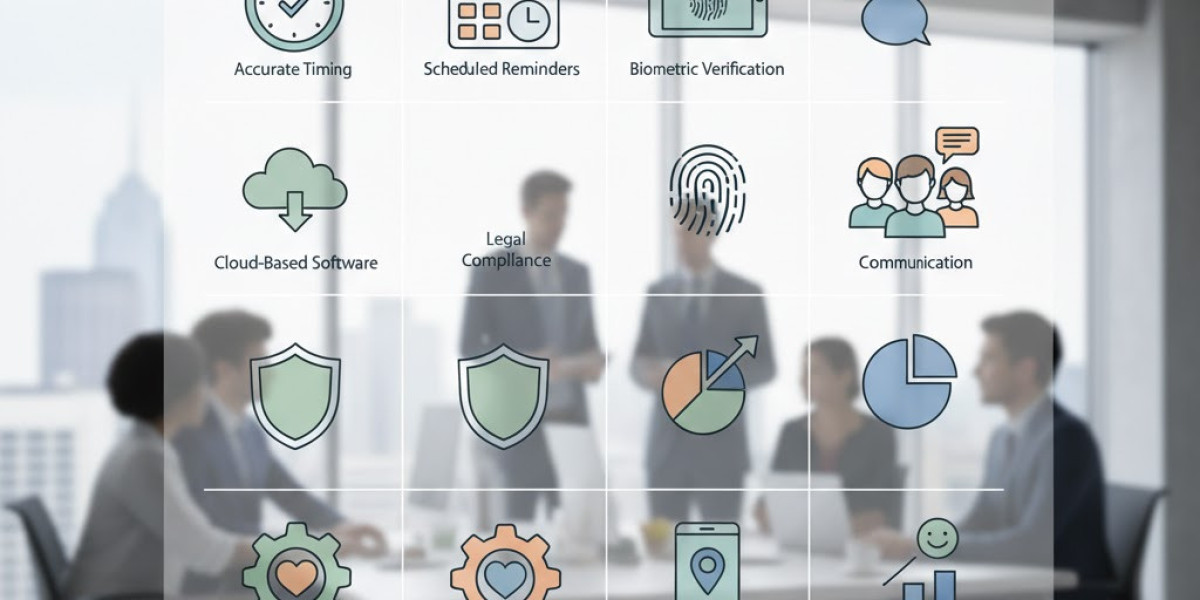

In today’s fast-paced work environment, managing employee schedules, hours, and rest periods has become more critical than ever. Proper employee breaks tracking is not just a compliance necessity—it’s also essential for maintaining productivity, fairness, and employee well-being. Companies that implement effective break-tracking systems often see improved morale, fewer payroll errors, and stronger legal compliance.
Tracking employee breaks and meal periods effectively can seem complex, especially for organizations with large teams or hybrid work models. However, by adopting the right best practices, you can streamline this process, minimize disputes, and ensure your business runs smoothly.
Let’s explore ten proven strategies to help your organization master the art of employee breaks tracking while keeping compliance and employee satisfaction at the forefront.
1. Understand Federal and State Labor Laws
Before implementing any time-tracking system, the first step is to understand what the law requires. In the U.S., federal labor regulations—set by the Fair Labor Standards Act (FLSA)—do not mandate paid meal breaks, but they do require employers to track all hours worked accurately.
State laws, however, vary significantly. For instance, California mandates a 30-minute unpaid meal break for every five hours worked, while other states may have different guidelines. Failing to comply can lead to penalties and lawsuits.
Therefore, businesses should regularly review labor laws in their operating regions and update policies accordingly. Partnering with legal or HR compliance professionals ensures that your employee breaks tracking practices align with both federal and state regulations.
2. Create a Clear and Consistent Break Policy
A well-defined policy is the backbone of successful employee breaks tracking. Every employee should know:
How many breaks they’re entitled to
When they can take them
How long each break should be
Whether breaks are paid or unpaid
Consistency is key. When policies are unclear, employees may misunderstand expectations, and managers might apply rules inconsistently. That inconsistency can create friction and compliance risks.
Make sure to include your break and meal policies in the employee handbook and discuss them during onboarding. Transparency eliminates confusion and encourages accountability.
3. Use a Digital Time-Tracking System
Manual tracking—such as paper timesheets or verbal check-ins—invites errors and inconsistencies. Investing in a digital time-tracking system helps automate the process, ensuring accuracy and compliance.
Modern workforce management software allows employees to clock in and out for work and breaks directly from their smartphones, tablets, or computers. Some even integrate biometric or GPS tracking to prevent time theft and buddy punching.
These systems also generate reports that HR teams can review for compliance verification, making audits and payroll processing seamless. Implementing automated employee breaks tracking tools reduces administrative effort and helps maintain precise records.
4. Train Managers and Supervisors
Even the most sophisticated system fails without proper execution. Managers and supervisors play a crucial role in enforcing and monitoring break policies.
Provide training on:
The company’s break and meal policies
Legal compliance requirements
How to identify and correct violations
Using time-tracking tools efficiently
Managers should lead by example, encouraging staff to take their breaks rather than working through them. When supervisors prioritize compliance and well-being, employees follow suit. This practice not only supports proper employee breaks tracking but also cultivates a healthier workplace culture.
5. Encourage Employees to Take Their Breaks
It’s not uncommon for employees—especially in fast-paced environments—to skip breaks to meet deadlines. However, skipping breaks can lead to burnout, lower productivity, and even legal complications for employers.
Encourage employees to take their full allotted rest and meal periods. Communicate that breaks are an essential part of maintaining focus and energy. Many companies have found success by setting reminders or using automated notifications in their time-tracking software.
When employees understand that the company genuinely values their well-being, employee breaks tracking becomes a cooperative process rather than a compliance burden.
6. Separate Work and Break Time Clearly
Ambiguity around when an employee is officially on break can cause significant problems—especially if meal periods are unpaid. Employees might answer emails or take work calls during breaks, which could later lead to wage disputes.
To avoid confusion:
Clearly define when breaks start and end.
Ensure employees are relieved of all work duties during unpaid breaks.
Prohibit any form of work communication during break times.
Some organizations even use automated systems that prevent clocking back in until the break period ends, ensuring compliance. Defining these boundaries ensures your employee breaks tracking data reflects actual rest periods, not partial or interrupted breaks.
7. Regularly Audit Time Records
Accurate recordkeeping is essential for legal compliance and fair pay practices. Regular audits help identify potential discrepancies—such as missed breaks, overlapping entries, or unapproved overtime.
Using time-tracking software, HR teams can quickly review reports to ensure all breaks and meal periods are recorded correctly. These audits should be part of a broader compliance strategy to catch issues before they escalate into legal or payroll problems.
Routine audits also demonstrate that your company is serious about maintaining integrity in employee breaks tracking, fostering trust among your workforce.
8. Tailor Break Policies for Different Roles and Shifts
Not every job fits into the same schedule mold. A factory worker’s break needs differ from a customer service representative’s or a remote employee’s. Flexibility is vital.
Consider the nature of each department or role when defining break schedules. For example:
Shift workers might require fixed, rotating breaks.
Remote employees could benefit from self-managed break systems with digital check-ins.
Customer-facing roles may need staggered breaks to maintain service continuity.
By customizing policies to fit operational realities, companies make employee breaks tracking more effective and less disruptive to daily workflows.
9. Utilize Analytics to Optimize Scheduling
Data-driven insights are transforming how businesses manage labor. Many advanced time-tracking platforms now provide analytics dashboards showing patterns in employee behavior, such as break frequency, missed breaks, and productivity before and after rest periods.
By analyzing this data, companies can identify trends and adjust scheduling for better efficiency. For instance, if analytics show that employees are frequently skipping breaks during peak hours, managers can reassign tasks or adjust coverage.
Leveraging analytics enhances the precision of your employee breaks tracking system while improving workforce management overall.
10. Foster a Culture of Compliance and Trust
Finally, the most successful organizations don’t view employee breaks tracking as just a regulatory task—they see it as part of a larger culture of respect and transparency.
When employees feel trusted and valued, they’re more likely to comply with policies voluntarily. Consider reinforcing the importance of breaks in internal communications, staff meetings, or wellness programs.
Moreover, if tracking data reveals issues—like repeated late returns or missed breaks—address them through coaching, not punishment. This approach builds goodwill and reinforces accountability across all levels.
Why Effective Employee Breaks Tracking Matters
Consistent and transparent employee breaks tracking delivers several benefits beyond legal compliance:
Improved productivity: Regular rest periods prevent fatigue, ensuring employees stay alert and efficient.
Enhanced morale: When workers feel their time and well-being are respected, engagement increases.
Reduced legal risk: Accurate tracking protects the business from wage disputes and labor law violations.
Streamlined payroll: Automated systems reduce errors in time calculation, saving administrative time.
Ultimately, effective break tracking contributes to a healthier, more motivated workforce—and a smoother-running organization.
Common Mistakes to Avoid in Employee Breaks Tracking
Even with the best intentions, businesses sometimes fall into traps that undermine their employee breaks tracking efforts. Avoid these pitfalls:
Not recording short breaks: Even five- or ten-minute breaks should be logged for transparency.
Ignoring off-the-clock work: If employees perform tasks during unpaid breaks, it must be tracked and compensated.
Inconsistent enforcement: Allowing some employees to skip or alter breaks creates legal and cultural problems.
Failing to update systems: Outdated tracking software may not integrate well with payroll, leading to discrepancies.
Awareness of these mistakes can help businesses fine-tune their tracking process for long-term success.
Final Thoughts
Implementing effective employee breaks tracking is more than a compliance checkbox—it’s a strategic advantage. By ensuring every employee gets their rightful rest, you enhance productivity, boost morale, and protect your organization from costly legal risks.
From leveraging digital tools to fostering a culture of accountability, these ten best practices provide a framework for success. Whether you’re managing a small team or a large enterprise, accurate and transparent break tracking should be a core part of your workforce management strategy.
Remember: well-rested employees are more engaged, focused, and ready to contribute their best. When businesses take break tracking seriously, everyone wins—employees, managers, and the organization as a whole.


