

The rapid adoption of electronic detonators is transforming how mining, quarrying, and construction companies design and execute blasting operations. As demands for higher precision, lower vibration, and improved environmental performance increase, electronic initiation has become a cornerstone of the modern electronic blasting system. Their programmable timing, reliability, and compatibility with various detonator types make them essential for controlled and high-performance blasting.
Why Electronic Detonators Are Becoming the Industry Standard
1. Millisecond Accuracy for Better Fragmentation
Electronic detonators allow engineers to design blast patterns with millisecond-level accuracy, ensuring optimal burden relief and rock movement. This precision contributes to:
Consistent fragmentation
Reduced oversized material
Better shovel productivity
Lower downstream processing costs
Compared with traditional non-electric systems, electronic detonators deliver significantly more predictable results.
2. Superior Safety for Sensitive Work Environments
Safety is a critical factor in modern blasting. Electronic detonators are designed to minimize risks through:
Digital firing control
Immunity to common electromagnetic interference
High resistance to accidental initiation
Built-in diagnostics before firing
For operations near infrastructure or populated areas, electronic systems offer a controlled and safe alternative.
3. Flexibility for Advanced Blast Designs
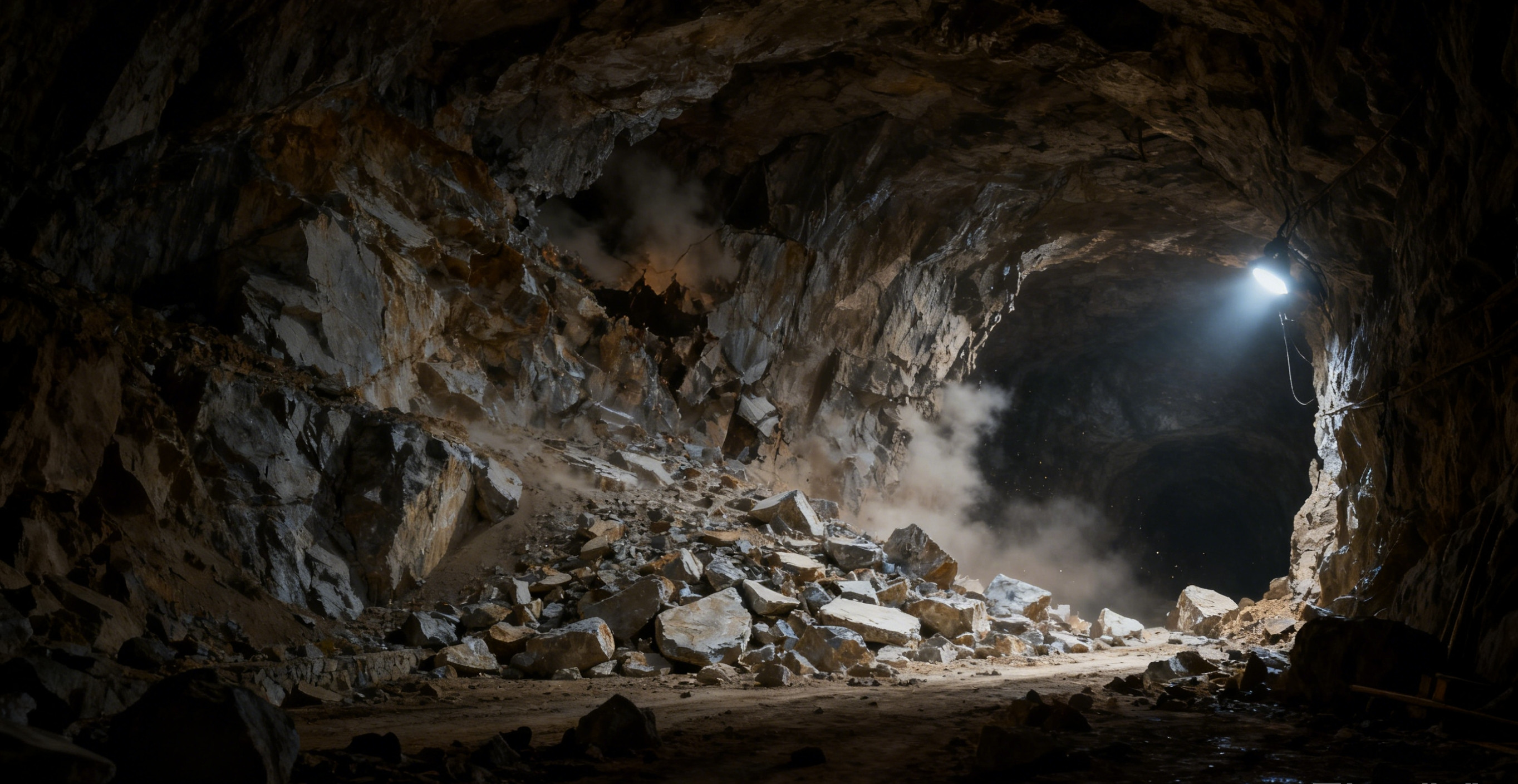
Older detonator types limit timing flexibility, while electronic detonators support complex patterns required for vibration control and regulatory compliance. Their precise delay intervals help reduce:
Ground vibration
Airblast
Flyrock risk
Overbreak in tunneling and civil projects
This flexibility makes electronic initiators ideal for quarries, urban construction, and large underground mines.
Integration with Modern Electronic Blasting Systems
Today’s digital blasting platforms collect and analyze data in real time—timing accuracy, detonator status, line connectivity, and delay programming. When electronic detonators are paired with advanced electronic blasting system controllers, operators gain:
Intelligent blast audit records
Remote diagnostics
Safer priming and hook-up procedures
Higher reliability even in harsh environments
This integration creates a fully optimized blasting cycle that supports operational consistency and long-term planning.
Applications Across Mining, Tunneling, and Infrastructure
Electronic detonators are now widely used in surface mining, underground development, road construction, hydropower tunneling, and large-scale infrastructure projects. Their ability to deliver cleaner benches, controlled profiles, and improved ore recovery makes them a preferred choice for engineers seeking repeatable performance.
A Look Ahead: The Future of Digital Blasting
As mines and construction sites push toward automation and data-driven decision making, electronic detonators will play an increasingly central role. Advanced sensors, improved microchips, and integrated blast modeling platforms will continue to refine accuracy and maximize safety. The shift from traditional initiation systems to digital blasting is no longer a trend—it is the new global standard.
If you’d like to explore detailed specifications, field applications, or expert guidance on choosing the right electronic detonators, feel free to continue the conversation here — simply click learn more about electronic detonators to dive deeper.


