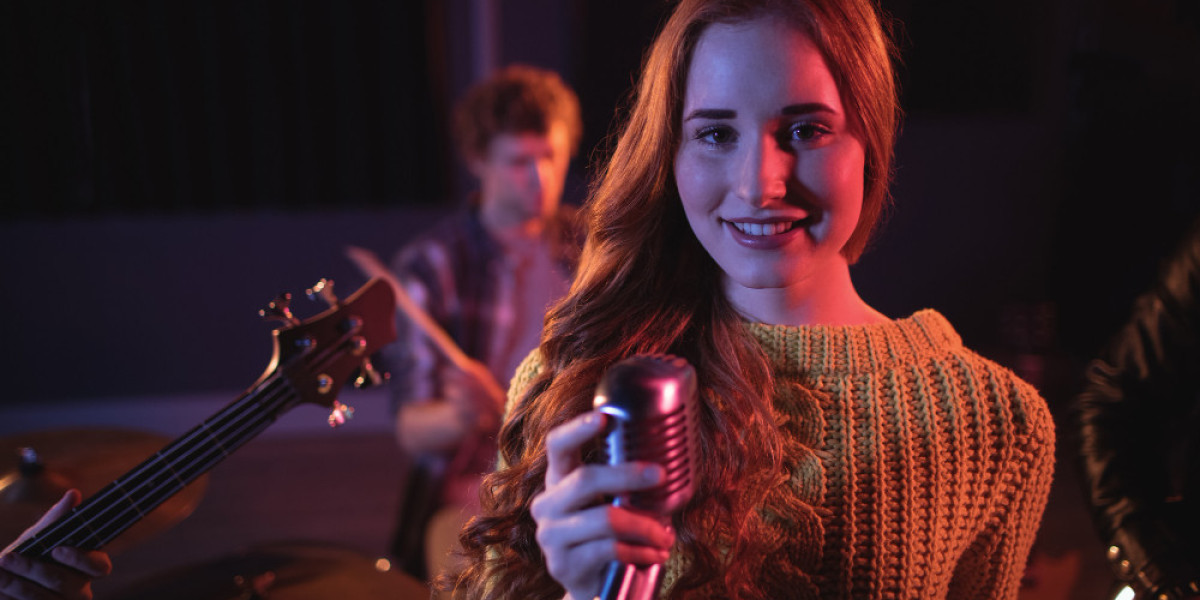

For a long time, professional singers relied almost entirely on in-person voice lessons to keep their skills sharp. But over the last few years, the rise of online singing classes has changed how even seasoned performers learn, practice, and grow. With new technology and virtual coaching platforms, singers can now train from anywhere in the world. Many professionals have discovered that learning online isn’t just convenient it’s surprisingly effective.
So, what do experienced vocalists really think about learning online? Here’s what they have to say.
Why Professional Singers Are Turning to Online Lessons
For many pros, flexibility is the biggest advantage. Touring, rehearsals, and recording sessions make it nearly impossible to stick to a fixed schedule. Online lessons solve that problem. Singers can schedule short practice sessions or one-on-one feedback whenever they’re free, without needing to travel.
Another reason is access. Working with a skilled vocal instructor used to mean living in a big city or paying high studio fees. Now, artists can connect with top trainers around the globe at a fraction of the cost. Whether they want to study classical technique, pop phrasing, or jazz improvisation, there’s always a qualified teacher available online.
Professionals also say that learning virtually allows them to keep up their routine between tours. Maintaining vocal health is a constant process, and online classes make it easier to stay consistent.
Common Misconceptions About Online Singing Classes
One of the biggest myths is that online lessons are less effective than traditional ones. Many assume that without in-person feedback, improvement is limited. However, professional singers strongly disagree. They point out that technology has come a long way — with clear audio, video streaming, and even virtual piano tools, coaches can evaluate pitch, tone, and breathing in real time.
The real difference, they say, lies in the teacher. A qualified vocal coach online provides detailed, personalized feedback just like an in-person session would. It’s not about where the lesson happens; it’s about how well it’s taught.
What Professionals Say Works Best
When asked what makes online learning successful, most pros agree on a few key points:
Consistent lessons are more important than long ones.
Recording sessions for review helps track progress.
Interactive warm-ups keep lessons dynamic and fun.
The ability to replay recorded feedback helps refine difficult techniques.
Some singers also mention that online lessons give them more control. They can focus on weak areas without feeling pressured by time or stage presence. A few have even joined group singing classes to collaborate and perform virtually with other musicians, which they say helps maintain a sense of community.
Overall, professional singers appreciate that online learning fits seamlessly into their demanding schedules without sacrificing quality.
How Online Lessons Benefit Professionals
Even for skilled singers, there’s always room for improvement. Many use online lessons to strengthen technique, explore new genres, or prevent strain during heavy performance seasons. Professional feedback helps them fine-tune small details like vowel shaping, breath control, and phrasing that audiences rarely notice but make a huge difference on stage.
Others turn to structured programs for ongoing development. A few recommend joining the best online singing classes available because they include clear progression levels, practice tracks, and personalized feedback. For professionals, having this structure keeps them disciplined and prevents them from developing bad habits when practicing alone.
Another often-overlooked benefit is exposure. Online classes can connect singers to global audiences, open collaboration opportunities, and even lead to international performances.
Challenges and How They Overcome Them
Of course, online training isn’t perfect. Professionals admit that internet lag or poor audio quality can occasionally interrupt lessons. Others miss the energy of being physically present with their coach. However, they’ve learned how to adapt.
Many use external microphones and studio headphones to improve sound clarity. Others schedule lessons during quiet times or upgrade their Wi-Fi to prevent issues. Some singers combine online coaching with occasional in-person workshops, creating a balanced learning routine that works best for them.
The key takeaway? Consistency matters more than perfection. Even if a lesson isn’t flawless, showing up and practicing regularly keeps their voice in top shape.
Choosing the Right Coach or Program
Professionals emphasize the importance of finding a coach who truly understands your goals. The best teachers listen carefully, adjust exercises for your range, and challenge you without pushing too hard. It’s also smart to read reviews, watch demo videos, and look at a coach’s background before enrolling.
A reliable program should include vocal warm-ups, ear training, and feedback sessions. Pros suggest starting with trial lessons to find a coach who makes you feel comfortable and motivated. Whether you’re a beginner or an experienced performer, the right teacher can elevate your talent dramatically.
Conclusion
When it comes to improving your voice, professional singers agree on one thing: it’s not where you learn, but how you learn. Online lessons offer flexibility, access to expert teachers, and consistent training all without leaving your home.
The success stories from experienced vocalists prove that online learning is no longer a backup plan; it’s a smart and effective choice for serious singers everywhere.
If you’re ready to grow your voice and confidence, consider joining online singing classes today. With dedication and the right guidance, your best performances are just a few lessons away.


