

Varicose veins are a common condition that affects many people, leading to discomfort, swelling, and sometimes more serious health concerns. For those exploring their options, understanding whether Varicose Veins Treatment in Dubai requires surgery is essential. At Dynamic Clinic in Dubai, advanced solutions are available that often reduce the need for invasive procedures. Patients now have access to modern, minimally invasive techniques that target veins effectively without traditional surgery.
Understanding Varicose Veins
Varicose veins occur when the valves in your veins fail to function properly, causing blood to pool and veins to swell. They are most commonly found in the legs and can cause:
Aching or heavy legs
Swelling and skin changes
Visible twisted or bulging veins
Early intervention is crucial, as untreated varicose veins can lead to complications such as skin ulcers or blood clots. Recognizing the signs helps in determining the best treatment approach.
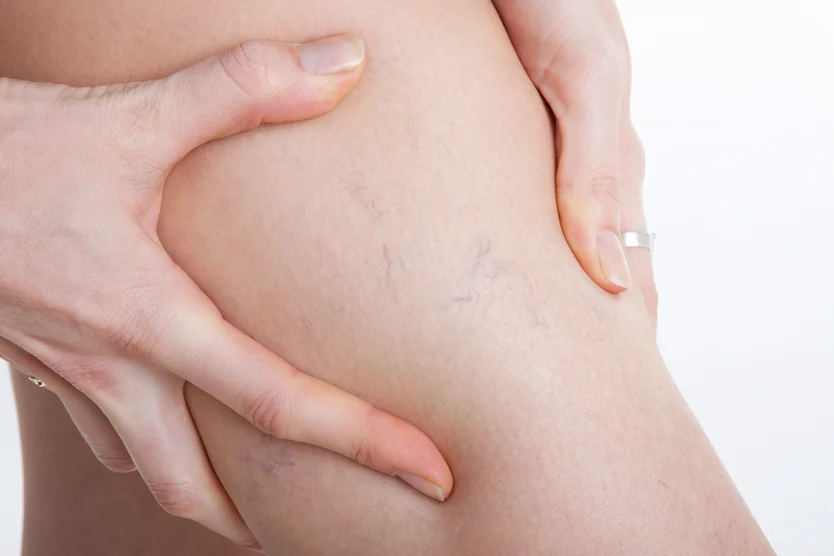
Non-Surgical Varicose Veins Treatments
Not all cases of varicose veins require surgery. There are several effective non-surgical treatments available today:
Endovenous Laser Treatment (EVLT): A minimally invasive procedure where laser energy closes the affected veins from within.
Radiofrequency Ablation (RFA): Uses heat to collapse and seal problematic veins.
Sclerotherapy: Involves injecting a solution into smaller varicose veins to make them fade.
Compression Therapy: Medical-grade compression stockings help improve circulation and reduce symptoms.
These methods are often preferred for mild to moderate varicose veins, offering reduced recovery time and minimal discomfort.
When Surgery Becomes Necessary
Surgery may be recommended for severe cases or when other treatments fail. Traditional varicose veins surgery, such as vein stripping, involves removing the affected veins through small incisions. Surgery might be necessary if:
Veins are extremely large or tortuous
Non-surgical treatments have not improved symptoms
Complications like ulcers, bleeding, or blood clots occur
Modern surgical techniques are much less invasive than in the past, but they are usually considered only when non-surgical methods are insufficient.
Factors Influencing Treatment Choice
The choice between surgery and non-surgical options depends on several factors:
Severity of veins: Large, bulging veins are more likely to need surgical intervention.
Overall health: Underlying conditions can influence the safety and effectiveness of procedures.
Lifestyle needs: Active individuals may prefer minimally invasive treatments for quicker recovery.
Patient preference: Some patients prioritize cosmetic improvement while others focus on symptom relief.
Healthcare providers typically assess these factors during a detailed consultation before recommending the best course of action.
Benefits of Modern Varicose Veins Treatments
Modern treatment methods, both surgical and non-surgical, offer several advantages:
Minimal downtime and faster recovery
Reduced risk of complications compared to traditional surgery
Improved cosmetic appearance of legs
Long-term relief from pain and swelling
Patients in Dubai now have access to advanced clinics, like Dynamic Clinic, where state-of-the-art techniques provide safe and effective outcomes tailored to individual needs.
Conclusion
Varicose veins treatment does not always require surgery. Many patients benefit from minimally invasive procedures that deliver excellent results with less recovery time. For severe or complicated cases, surgical options remain effective but are typically recommended after exploring non-surgical methods. Understanding the variety of treatments available ensures that patients receive personalized care that addresses both symptoms and cosmetic concerns, making advanced clinics in Dubai a convenient choice for comprehensive varicose vein management.


