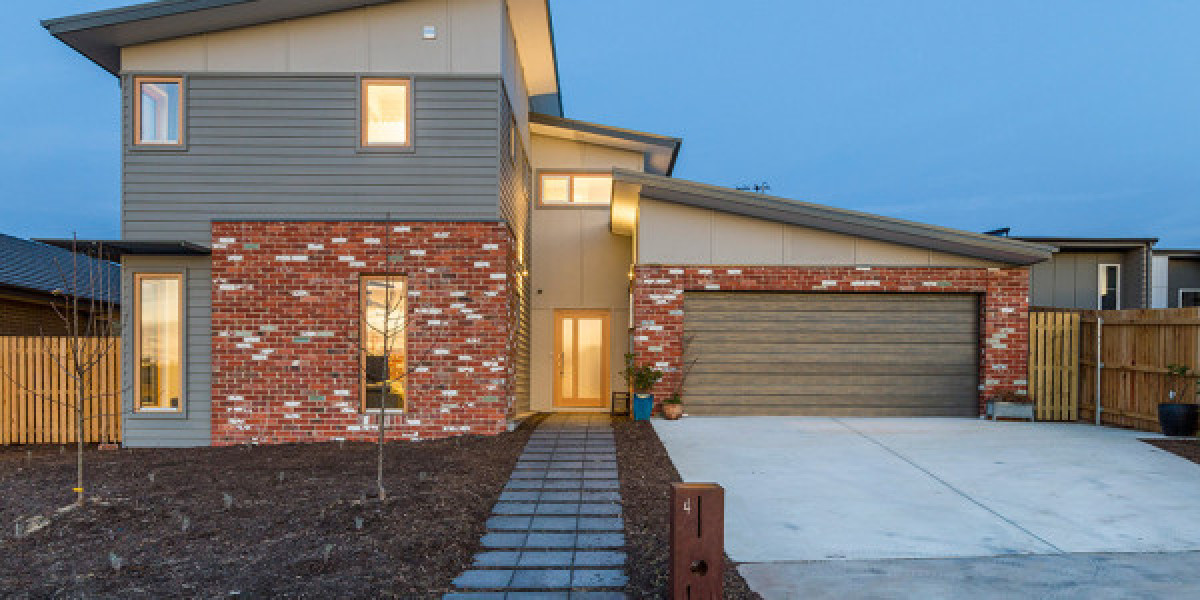

With environmental issues like climate change, pollution, and resource depletion becoming more pressing than ever, homeowners are increasingly seeking sustainable ways to live. An eco friendly house isn’t just about reducing energy bills — it’s about creating a lifestyle that respects the planet while maintaining comfort, beauty, and functionality. Modern innovations in design and technology have made it easier than ever to build or transform your home into a sustainable sanctuary that leaves a lighter footprint on the earth.
In this article, we’ll explore innovative design ideas that make eco friendly homes both stylish and sustainable, showing how simple choices can lead to significant environmental benefits.
1. Sustainable Building Materials
The foundation of any eco friendly house begins with the materials used in its construction. Choosing sustainable building materials helps reduce the carbon footprint and supports a healthier indoor environment. Reclaimed wood, bamboo, and cork are excellent alternatives to traditional timber, offering durability and a naturally beautiful finish. Similarly, recycled metal and concrete can be repurposed to create modern, industrial-style structures without the environmental cost of new materials.
Another innovation gaining traction is the use of hempcrete—a lightweight, insulating material made from the inner fibers of the hemp plant. It’s carbon-negative, fire-resistant, and provides excellent thermal performance. Straw bale and rammed earth are also making a comeback as eco-conscious homeowners rediscover their benefits for insulation and sustainability.
When you choose sustainable materials, you’re not only lowering emissions but also supporting industries that prioritize environmental responsibility.
2. Energy Efficiency through Smart Design
An eco friendly house is more than just a structure—it’s a living system that works in harmony with its environment. Designing your home to maximize energy efficiency can drastically reduce dependence on artificial heating and cooling.
Passive solar design is one of the most effective strategies. By orienting windows and living spaces to capture sunlight during winter and minimize heat gain during summer, you can significantly cut down on energy consumption. Thick, well-insulated walls and energy-efficient glazing keep interiors comfortable all year round.
Adding solar panels is another powerful step toward sustainability. They not only generate clean, renewable energy but also offer long-term cost savings. When paired with a home battery system, solar panels can store excess energy for nighttime use, reducing reliance on the grid.
Smart thermostats and automated lighting systems further enhance efficiency by learning your habits and adjusting usage accordingly. These technologies make it easier to live sustainably without sacrificing convenience.
3. Water Conservation Innovations
Water is one of our most precious resources, yet it’s often taken for granted. A truly eco friendly house incorporates systems that conserve and recycle water efficiently.
Rainwater harvesting is a simple yet effective way to reduce reliance on municipal water supplies. Collected rainwater can be filtered and used for gardening, flushing toilets, and even laundry. Greywater recycling systems take this a step further by reusing wastewater from sinks and showers for irrigation or toilet flushing.
Low-flow faucets, dual-flush toilets, and water-efficient appliances can also make a big difference. When combined, these measures can reduce household water consumption by up to 50%.
Even landscaping can play a role — using native and drought-tolerant plants reduces the need for constant watering while supporting local ecosystems.
4. Indoor Air Quality and Natural Ventilation
A home should be a healthy place to live, yet many modern houses are filled with toxins from paints, adhesives, and synthetic materials. An eco friendly house prioritizes indoor air quality through careful material selection and smart ventilation.
Opt for low-VOC (volatile organic compound) paints, natural finishes, and non-toxic insulation materials like sheep’s wool or cellulose. These not only improve air quality but also create a more comfortable living environment.
Natural ventilation is another key feature. Designing cross-ventilation pathways allows fresh air to flow throughout the house, reducing the need for air conditioning. Skylights and operable windows can also bring in sunlight and breeze, making the space feel open, bright, and breathable.
Green walls and indoor plants further enhance air quality by filtering pollutants and adding a calming touch of nature indoors.
5. Waste Reduction and Smart Recycling
Building or renovating an eco friendly house is the perfect opportunity to rethink waste management. From construction to daily living, sustainable waste practices can significantly reduce landfill impact.
During construction, work with builders who minimize waste by repurposing materials and recycling debris. Inside the home, create designated spaces for recycling and composting to make waste separation simple and intuitive.
Modern innovations like kitchen composting systems and compact recycling units make it easier than ever to maintain a zero-waste lifestyle. Even furniture and décor can contribute — consider buying second-hand or upcycled items to reduce demand for new resources.
6. Green Roofs and Vertical Gardens
One of the most visually stunning and functional trends in sustainable design is the integration of greenery into the architecture itself. A green roof, covered in vegetation, provides natural insulation, absorbs rainwater, and improves air quality. It also helps regulate indoor temperatures and supports biodiversity in urban areas.
Vertical gardens, or living walls, bring similar benefits to smaller spaces. They add aesthetic appeal, purify indoor air, and contribute to better acoustics. Whether on an exterior wall or inside a living room, greenery softens the overall feel of a modern eco friendly house while making a tangible environmental impact.
7. Smart Home Technology for Sustainable Living
Technology isn’t the enemy of sustainability — when used wisely, it can help manage energy and resources efficiently. A smart eco friendly house integrates technology to monitor and optimize usage.
From motion-activated lighting to intelligent irrigation systems that adjust based on weather forecasts, automation helps eliminate unnecessary waste. Smart plugs can cut power to idle appliances, and energy monitoring apps allow you to track consumption in real-time.
The key is balance — using technology to support, not dominate, a mindful, low-impact lifestyle.
Living with Purpose
An eco friendly house represents more than architectural innovation; it reflects a conscious choice to live with purpose. By embracing sustainable design, renewable energy, and mindful consumption, we create homes that nurture both people and the planet.
As environmental awareness continues to grow, the future of housing lies in designs that harmonize with nature rather than fight against it. Every sustainable choice — no matter how small — brings us one step closer to a cleaner, greener, and more resilient world.
Building an eco friendly house isn’t just a trend. It’s a legacy — one that ensures a healthier environment for generations to come.


