Physical Address
304 North Cardinal St.
Dorchester Center, MA 02124
Physical Address
304 North Cardinal St.
Dorchester Center, MA 02124

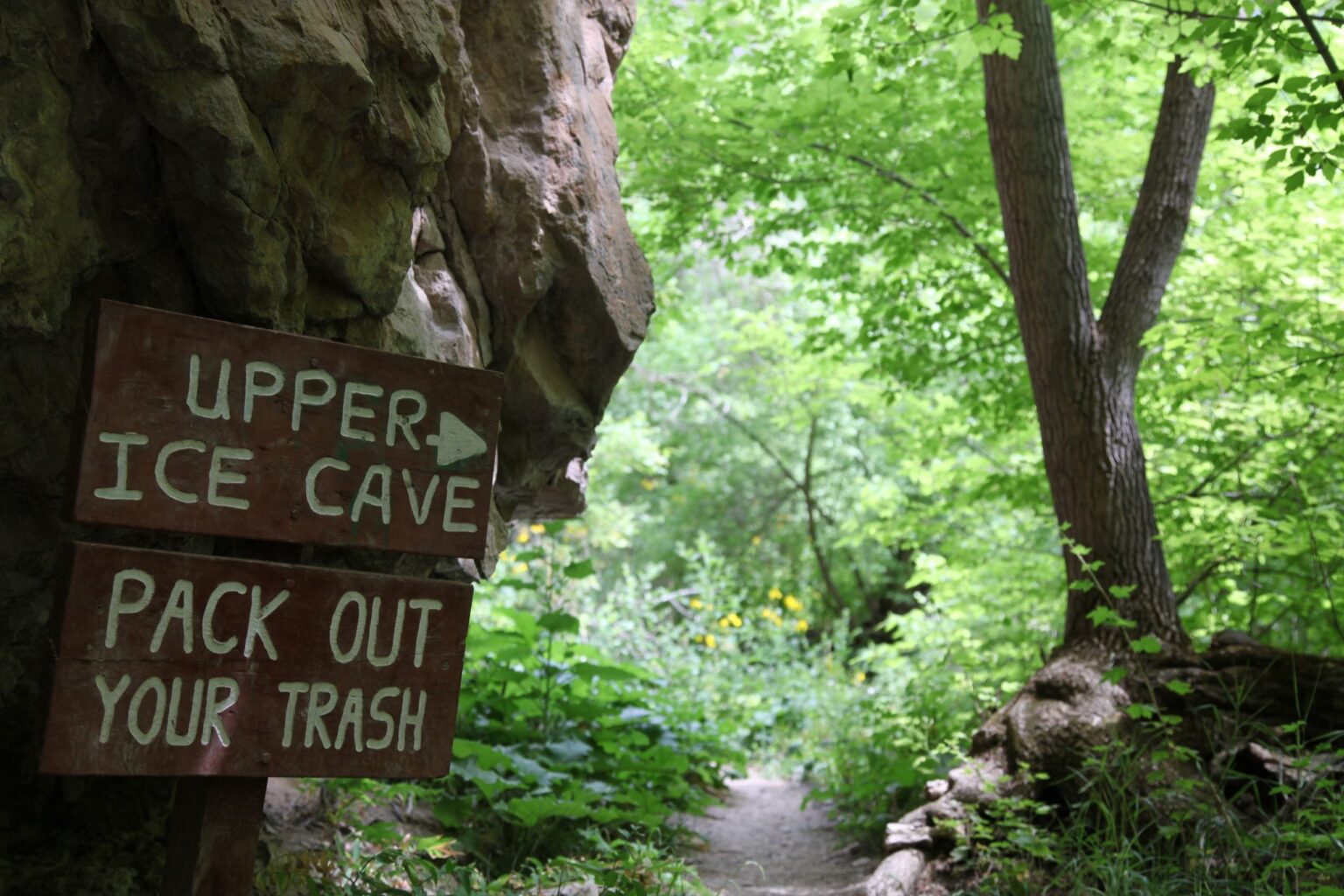
Rifle Mountain Park climbing offers an unusually concentrated limestone sport-climbing experience in a scenic Colorado canyon.
Rifle Mountain Park climbing attracts sport climbers from across Colorado and beyond because of its extensive limestone walls, steep routes, and concentrated climbing areas. Located north of Rifle, Colorado, the park combines a canyon setting with a large collection of established climbing routes.
The City of Rifle currently describes the park as having more than 250 bolted climbing routes, while current route databases list more than 500 climbs across Rifle Mountain Park. The difference reflects how route inventories can change and how different sources count routes.
For visitors, climbing at Rifle is about more than choosing a route. Access rules, parking, camping, weather, equipment, rock conditions, and responsible use of the park all contribute to a successful trip.
Rifle Mountain Park climbing is particularly well known for its limestone sport climbing.
Current climbing information describes the area as a major destination for difficult sport climbing, with steep to very steep terrain and routes that can emphasize endurance, technical movement, pockets, crimps, and other limestone features.
The concentration of routes allows climbers to spend multiple days exploring different walls without needing to relocate their entire trip.
Rifle Mountain Park contains numerous individual walls and sectors.
Current route listings include areas such as:
The exact route inventory changes as routes are developed, updated, or reclassified, so climbers should use current route information when planning a visit.
Rifle is often associated with challenging sport climbing, but the park also contains routes at lower grades.
For example, the current Canine Wall listing includes routes ranging from approximately 5.8 and 5.9+ through harder grades.
The City of Rifle also states that a beginner area is being formed, indicating ongoing efforts to expand opportunities for newer climbers.
Many climbers visit Rifle specifically to work on harder sport routes.
Current route information shows numerous climbs in the 5.11, 5.12, 5.13, and higher ranges, with particularly strong representation of difficult sport climbing.
Climbers should choose routes according to their experience, skills, equipment, and current conditions rather than relying only on the grade.
The climbing walls at Rifle are primarily limestone.
The rock can feature pockets, edges, pinches, slabs, overhangs, and steep faces. Individual sectors can have noticeably different characteristics.
This variety means that climbers may find substantial differences in movement and style from one wall to another.
Sport climbing is the dominant style represented in current route listings.
Many routes use fixed protection, but climbers remain responsible for assessing the condition and suitability of the equipment and anchors they use.
Fixed protection should never automatically be assumed to be safe simply because it is already installed.
Rifle Mountain Park is a city park located approximately 20 miles north of the city of Rifle.
The City of Rifle lists the park address as 13885 County Road 217, at the end of State Highway 325, north of the Rifle Falls Fish Hatchery.
From Rifle, visitors generally travel north on Highway 13 and continue toward Highway 325.
The route proceeds toward Rifle Gap Reservoir and the Rifle Falls area. After the fish hatchery, the road changes from pavement to gravel before reaching the park entrance.
Travelers should allow extra time for the final approach and check current road and weather conditions before departing.
Rifle Mountain Park is a fee area.
The City of Rifle currently states that all vehicles must display a valid day pass, while annual passes are also available. The current listed day-pass fee is $10 per vehicle.
Annual pass prices vary according to residency, so visitors should verify the current fee schedule before traveling.
Parking is restricted to designated areas.
The local climbing organization specifically asks visitors not to park along unmarked portions of the road. Keeping roads clear is important because the canyon road also provides access for local residents and services.
Good parking practices help preserve access and reduce conflicts between climbers, residents, and other visitors.
Camping is available within designated areas of the park.
The City currently lists primitive campsites as an amenity and states that camping is permitted only in designated areas, with a maximum stay of 14 days.
The climbing organization likewise emphasizes that campers must pay for their campsite and follow site-specific vehicle and tent allocations.
Camping procedures have recently changed.
In 2026, the City of Rifle announced that online reservations became available for select Rifle Mountain Park campsites, while other sites continue to operate on a first-come, first-served basis. Reservation-only sites require advance booking rather than simply purchasing a camping permit upon arrival.
Because availability and reservation procedures can change, climbers should check the current City information before planning an overnight trip.
The City’s current fee schedule lists a camping fee of $30 per site, including the day-pass purchase, or $20 with proof of an annual pass.
Visitors should verify current rates before arrival because park fees and policies can change.
Spring can provide opportunities for climbing as temperatures become more comfortable.
However, weather and canyon conditions can vary, and climbers should check conditions before traveling.
Summer can be busy, particularly on weekends.
The canyon environment can offer different conditions depending on the wall’s orientation, time of day, and weather.
Planning an early start and having flexible wall choices can help during busy periods.
Fall is often attractive for outdoor recreation because of cooler temperatures.
Climbers may find comfortable conditions during suitable weather windows, although conditions can change quickly.
Winter climbing conditions can be considerably different.
Cold temperatures, snow, ice, and reduced daylight can affect access and route conditions. Climbers should verify current conditions rather than assuming that every sector will be accessible.
A climber visiting Rifle for sport climbing may need equipment such as:
The exact equipment required depends on the route, climber, and current conditions.
Rockfall and equipment-related hazards are inherent in outdoor climbing.
A properly fitted helmet can provide protection from certain impacts, although no equipment eliminates climbing risk.
Climbers should select a rope appropriate for the route length and their intended climbing system.
They should also understand rope-management, lowering, rappelling, belaying, and anchor procedures before attempting routes.
Rock climbing is an inherently hazardous activity.
Potential hazards can include falls, rockfall, equipment failure, changing weather, dehydration, navigation problems, and other environmental risks.
The Rifle Climbers’ Coalition explicitly states that climbing is dangerous and encourages visitors to climb safely and responsibly.
Fixed bolts, anchors, chains, and other equipment can deteriorate over time.
Climbers should inspect equipment before use and avoid relying on questionable hardware.
The local climbing organization supports work involving replacement of old bolts and removal of dangerous gear, highlighting the importance of ongoing maintenance.
Rifle’s route inventory is extensive and can change.
The Rifle Climbers’ Coalition explains that its website is not intended to function as a climbing guide and recommends using an appropriate guidebook or climbing application for detailed route information.
A current route guide is one of the most useful resources a visiting climber can carry.
Use designated parking areas and keep roadways open.
Dogs must remain on a leash under Rifle city park rules.
Climbers should keep crags and campsites clean.
Visitors are encouraged to remove their own trash and pick up litter when practical.
Fires are permitted only in designated fire rings under the current park rules.
The City also prohibits fires during Red Flag Warnings.
Current park rules establish quiet hours from 10 p.m. to 6 a.m.
Respecting these hours is particularly important when camping near other visitors.
The City warns that bears may be present in the area.
Campers should therefore take food storage and campsite cleanliness seriously.
Food, garbage, and scented items should be handled responsibly to reduce wildlife conflicts.
Some climbing areas can provide habitat for bats.
Current route information includes conservation guidance concerning bats and asks climbers to report observations through the appropriate conservation program.
Climbers should avoid disturbing wildlife and follow any posted seasonal or conservation-related restrictions.
Review the current park rules, access information, route descriptions, and camping availability before traveling.
Temperatures can vary between the parking area, canyon, shaded walls, and exposed climbing areas.
Layered clothing can make it easier to adjust to changing conditions.
Outdoor climbing can be physically demanding.
Visitors should bring enough water for the planned climbing period and account for temperature, sun exposure, and activity level.
Popular walls can become busy.
Visiting during less crowded periods or having several alternative sectors in mind can make the day more flexible.
Rain, storms, temperature changes, and other weather conditions can affect rock quality and climbing safety.
Weather should be considered part of route selection, not simply a travel detail.
| Climbing Feature | What Visitors Can Expect |
|---|---|
| Rock Type | Predominantly limestone |
| Primary Style | Sport climbing |
| Route Variety | Multiple grades and climbing styles |
| Setting | Mountain canyon environment |
| Access | City park with designated rules |
| Camping | Designated campsites |
| Parking | Designated areas only |
| Dogs | Leash required |
| Quiet Hours | 10 p.m. to 6 a.m. |
| Pass | Required for vehicles |
| Maximum Camping Stay | 14 days |
Specific route numbers, grades, access conditions, and campsite availability can change, so current information should be checked before a trip.
Yes. Rifle is a well-known sport climbing destination with a large concentration of limestone routes. The City of Rifle reports more than 250 bolted routes, while current route databases list more than 500 climbs in the park.
The park is particularly known for sport climbing on limestone, including steep and technically demanding routes.
There are routes at lower grades, including routes in the 5.8 and 5.9 range at Canine Wall. The City also reports that a beginner area is being developed.
Yes. The City of Rifle currently requires vehicles entering the fee area to display a valid day pass or applicable annual pass.
Yes. Designated camping is available, subject to park rules and availability. Select campsites can currently be reserved online, while others remain first-come, first-served.
Dogs are allowed under current park rules but must remain on a leash at all times.
The City currently lists a maximum camping stay of 14 days.
Visitors should use designated parking areas and avoid parking along unmarked portions of the road.
Yes. Rifle has a substantial concentration of difficult sport routes, including many climbs in the 5.12 and higher ranges.
Rifle Mountain Park climbing offers an unusually concentrated limestone sport-climbing experience in a scenic Colorado canyon. Its extensive route selection provides opportunities for climbers with different experience levels, while its challenging upper-grade routes have helped establish Rifle as a major destination for experienced sport climbers.
A successful visit requires more than selecting routes. Climbers should understand park fees, designated parking, camping rules, wildlife considerations, weather conditions, and responsible climbing practices before arriving.
The park’s camping options can make multi-day trips convenient, while its location near Rifle provides access to additional services and recreation throughout the surrounding area.
The best way to experience Rifle Mountain Park is to combine careful preparation with responsible climbing, respect for local rules, and consideration for the natural environment and other visitors.




