Physical Address
304 North Cardinal St.
Dorchester Center, MA 02124
Physical Address
304 North Cardinal St.
Dorchester Center, MA 02124

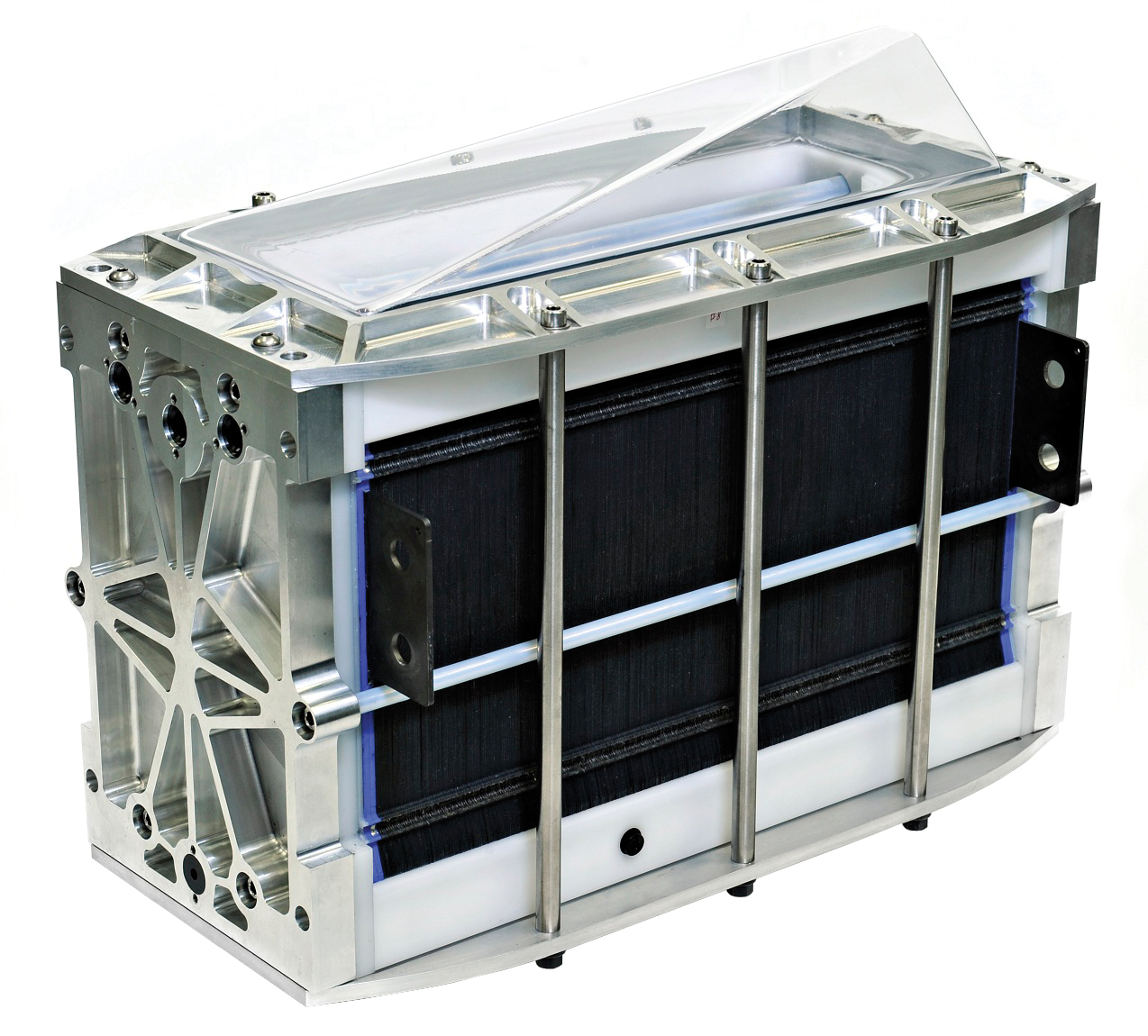
Stationary fuel cell systems are gaining attention as an alternative approach to dependable electricity generation for commercial buildings, industrial facilities, residential properties, data centers, healthcare facilities, and other applications requiring reliable power. Unlike conventional generators, fuel cells can produce electricity through an electrochemical process with relatively low local emissions and high operating efficiency. Their ability to support distributed generation and combined heat and power applications also makes them attractive for organizations seeking greater energy resilience.
Despite these advantages, the stationary fuel cell systems market continues to encounter several restraints that can slow widespread adoption. High initial investment, fuel availability, infrastructure limitations, durability concerns, maintenance requirements, and competition from established technologies remain important challenges. Addressing these barriers will be essential for turning fuel cell technology from a specialized solution into a more broadly deployed energy option.
One of the strongest restraints affecting adoption is the relatively high upfront cost of installing stationary fuel cell systems. The expense can include the fuel cell stack, power conditioning equipment, balance-of-plant components, fuel processing equipment, installation, controls, storage, and supporting infrastructure.
For businesses operating under strict capital expenditure limits, the initial investment can make fuel cells less attractive than conventional generators, grid upgrades, or other distributed energy technologies. Although fuel cell systems can provide benefits through efficiency and continuous operation, buyers often evaluate projects according to their immediate capital requirements and expected payback period.
This issue is particularly significant for small and medium-sized businesses that may not have sufficient financial resources to undertake large energy infrastructure projects. Wider deployment will therefore depend on manufacturing improvements, greater production volumes, financing solutions, and reductions in system complexity.
Fuel availability is another important restraint for the industry. Hydrogen-powered systems require a dependable source of hydrogen, while infrastructure for producing, transporting, storing, and distributing hydrogen is still developing in many regions.
Organizations considering hydrogen-based stationary systems may need to install on-site production or storage equipment when reliable external supplies are unavailable. These additional components increase project complexity and can raise overall costs.
The situation becomes more complicated when users want low-carbon or renewable hydrogen. The environmental benefits of fuel cells depend partly on how the hydrogen is produced. As a result, organizations seeking lower-carbon electricity may need to consider both the availability and environmental characteristics of their fuel supply.
Fuel cell durability remains a critical technical restraint. Stationary power applications often require systems to operate for thousands of hours while maintaining consistent output and efficiency. Degradation of catalysts, membranes, electrodes, electrolytes, seals, and other components can gradually reduce performance.
Frequent replacement of expensive components can increase lifecycle costs and create operational disruptions. Businesses that depend on continuous electricity are especially sensitive to reliability because unexpected downtime can affect production, data processing, healthcare operations, or commercial services.
Different fuel cell technologies also face different degradation mechanisms. Improving component materials, thermal management, stack design, operating controls, and monitoring systems is therefore important for extending system life and making long-term performance more predictable.
Stationary fuel cells compete with mature alternatives such as natural gas generators, diesel generators, gas turbines, batteries, solar installations, and grid-based electricity. These technologies benefit from established supply chains, experienced service providers, familiar operating procedures, and extensive installation experience.
For backup applications, batteries can be attractive because they provide rapid response and have become increasingly integrated into modern energy systems. For longer-duration generation, conventional generators may still offer a familiar and relatively straightforward solution.
Fuel cells must therefore demonstrate a clear value proposition rather than relying solely on environmental advantages. Reliability, operating costs, efficiency, emissions performance, space requirements, and maintenance must collectively justify the additional investment.
Stationary fuel cell systems require specialized knowledge for installation, commissioning, inspection, troubleshooting, and maintenance. In regions where the technology has a limited installed base, finding trained technicians and service providers can be difficult.
A shortage of qualified personnel can increase maintenance costs and extend repair periods. It can also make potential customers hesitant to invest in unfamiliar technology.
Developing a stronger service ecosystem will be important as the industry expands. Manufacturers and technology providers may need to invest in technician training, remote monitoring, predictive maintenance platforms, standardized components, and service partnerships to improve customer confidence.
Hydrogen handling, storage, transportation, and fuel cell installation are subject to safety requirements and technical standards. While these measures are necessary, differences between jurisdictions can increase the complexity of project development.
Businesses may need to navigate permitting procedures, building requirements, equipment certifications, hydrogen storage rules, fire safety provisions, and grid-interconnection standards. Delays in obtaining approvals can affect project timelines and increase development costs.
Greater standardization and clearer regulatory frameworks could help reduce uncertainty. Consistent technical requirements would also make it easier for manufacturers to design systems for multiple markets and scale their operations.
Another restraint is the relatively specialized manufacturing base for some stationary fuel cell technologies. When production volumes remain limited, manufacturers may struggle to achieve the economies of scale available to more established energy technologies.
Specialized materials, precision manufacturing processes, catalysts, membranes, ceramics, and stack components can contribute to production costs. Small production runs can also make supply chains more vulnerable to fluctuations in material prices and component availability.
Increasing manufacturing capacity could gradually reduce unit costs. However, companies must balance expansion with uncertain demand, making scale-up a challenging commercial decision.
Technology unfamiliarity can also limit market development. Many potential customers understand traditional generators and grid-based systems but may have limited experience with fuel cell technology.
Decision-makers may have concerns about fuel supply, maintenance, replacement cycles, safety, warranties, and long-term operating performance. Even when a system is technically suitable, uncertainty can delay purchasing decisions.
Demonstration projects, transparent performance data, strong warranties, training programs, and dependable after-sales support can help reduce these concerns and encourage broader adoption.
The restraints facing the Stationary Fuel Cell Systems Market are significant, but they are not necessarily permanent. Technological improvements can enhance durability, manufacturing innovations can reduce costs, and expanding hydrogen infrastructure can improve fuel availability.
Integration with renewable energy can also create new opportunities. Fuel cells may complement solar power, wind generation, energy storage, and microgrids by providing dependable electricity when variable renewable sources are unavailable. Combined heat and power applications can further improve overall energy utilization.
Future competitiveness will depend on how effectively manufacturers and energy providers address the complete system rather than focusing only on the fuel cell stack. Lower capital costs, longer operating life, simplified maintenance, improved fuel access, and stronger service networks will be important for overcoming adoption barriers.
The Stationary Fuel Cell Systems Market has strong potential in applications where reliable, efficient, and distributed electricity is valuable. However, high capital costs, hydrogen supply limitations, durability concerns, competition from mature technologies, maintenance requirements, regulatory complexity, limited manufacturing scale, and customer hesitation remain important restraints.
Overcoming these barriers will require continued technological development and greater coordination among manufacturers, energy providers, infrastructure developers, regulators, and end users. As system costs decline and supporting infrastructure improves, stationary fuel cells could become increasingly practical for businesses and facilities seeking resilient and cleaner power solutions.




