Physical Address
304 North Cardinal St.
Dorchester Center, MA 02124
Physical Address
304 North Cardinal St.
Dorchester Center, MA 02124

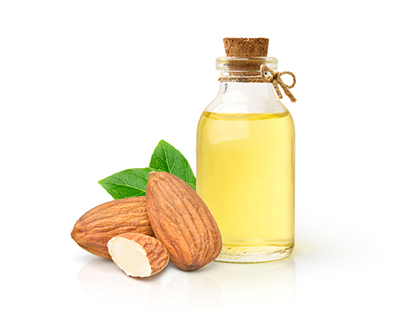
Sweet almond oil is a versatile plant-based ingredient widely used in skincare, hair care, massage, cosmetics, and selected culinary applications. Extracted from sweet almond kernels, it is appreciated for its mild aroma, smooth texture, and easy application. Its long-standing role in traditional beauty routines has also made it popular in modern personal-care products. Understanding its source, quality, uses, and proper storage can help consumers choose and use it more effectively.
Sweet almond oil is obtained from the kernels of the sweet almond tree, scientifically known as Prunus dulcis. The oil contains various fatty acids and other naturally occurring components that contribute to its texture and cosmetic properties.
It is important to distinguish sweet almonds from bitter almonds. Although the two come from related varieties, they have different chemical characteristics and are used differently. Products should therefore be clearly labeled according to their intended purpose.
The final characteristics of the oil can depend on the almond variety, cultivation conditions, extraction technique, filtration, and storage. Cold-pressed versions may retain a more noticeable natural aroma and character.
One of the most common uses is moisturizing and skin conditioning. The oil has an emollient texture that can help leave the skin feeling soft and smooth. For this reason, it is frequently included in body lotions, creams, facial oils, cleansing products, and massage formulations.
People with dry skin may use it as part of a simple moisturizing routine, particularly on areas that tend to become rough or dry. However, every skin type reacts differently to cosmetic ingredients, so introducing a new oil gradually is sensible.
A small patch test can help identify possible sensitivity before applying a new product more widely.
Plant oils have long been used in hair-care routines, and sweet almond oil is particularly popular because it spreads easily and can give hair a smoother, conditioned appearance.
It may be used as a pre-shampoo treatment or applied in a small amount to dry hair ends. Some commercially formulated conditioners and hair masks also include it as a botanical conditioning ingredient.
While it can improve the feel and appearance of dry or coarse hair, it should not be considered a guaranteed treatment for hair loss or scalp disorders. Persistent scalp problems are better addressed with appropriate professional guidance.
The smooth texture of sweet almond oil makes it a common carrier oil for massage. It can spread easily over the skin and may be used alone or combined with other suitable ingredients.
It is also found in soaps, bath products, lip-care formulas, and other personal-care products. Its relatively mild character allows it to work well as a base ingredient in formulations where a heavy fragrance is not desired.
For topical applications, product purity and intended use should always be checked before application.
Food-grade sweet almond oil can have culinary applications, although it is important to distinguish edible products from cosmetic formulations. Some food-grade varieties have a mild nutty flavor and can be used in specific recipes or dressings.
Not every almond oil sold for personal care is suitable for consumption. Consumers should only use products specifically labeled and intended for food applications.
People with almond or tree-nut allergies should also take appropriate precautions with almond-derived products.
Several factors can influence the quality of the finished oil. The condition of the almonds, extraction method, processing, filtration, packaging, and storage environment all play a role.
When choosing a product, consumers should look for clear information about the botanical source and intended application. A transparent ingredient list is particularly useful when comparing different formulations.
Some practical factors to consider include:
Clearly identified sweet almond source
Suitable extraction and processing information
Transparent ingredient labeling
Appropriate packaging
Clear storage recommendations
A natural smell or color can vary between products and should not be the only measure of quality.
The growing preference for plant-based personal-care ingredients has increased interest in versatile botanical oils. Consumers are often looking for simpler formulations that contain familiar ingredients and can be incorporated into multiple routines.
There is also greater attention to responsible sourcing and transparency. Buyers increasingly want information about where ingredients come from, how they are processed, and whether packaging and production practices are responsible.
This shift has encouraged personal-care manufacturers to provide clearer ingredient information and more specific product descriptions.
Proper storage can help maintain freshness and quality. The bottle should generally be kept tightly closed and stored in a cool, dry place away from direct sunlight and excessive heat.
Repeated exposure to air and heat can gradually affect plant oils. Keeping the container sealed when not in use and avoiding unnecessary exposure can help preserve its original characteristics.
Always follow the storage instructions provided on the product label, especially after opening.
The right oil depends on the intended application. Someone purchasing an oil for massage may have different requirements from someone looking for a cosmetic ingredient or food product.
Before purchasing, check whether the product is food-grade or cosmetic-grade, review the ingredients, and consider the extraction and packaging information. Choosing according to purpose is more useful than relying solely on price or appearance.
Sweet almond oil continues to be a popular botanical ingredient because of its versatility, mild character, and smooth texture. It can be incorporated into skincare, hair care, massage, cosmetics, and selected food applications when the appropriate grade is chosen.
For the best experience, consumers should focus on clear labeling, suitable quality, proper storage, and individual tolerance. With realistic expectations and responsible use, this traditional plant-derived oil can fit comfortably into many modern personal-care routines.




