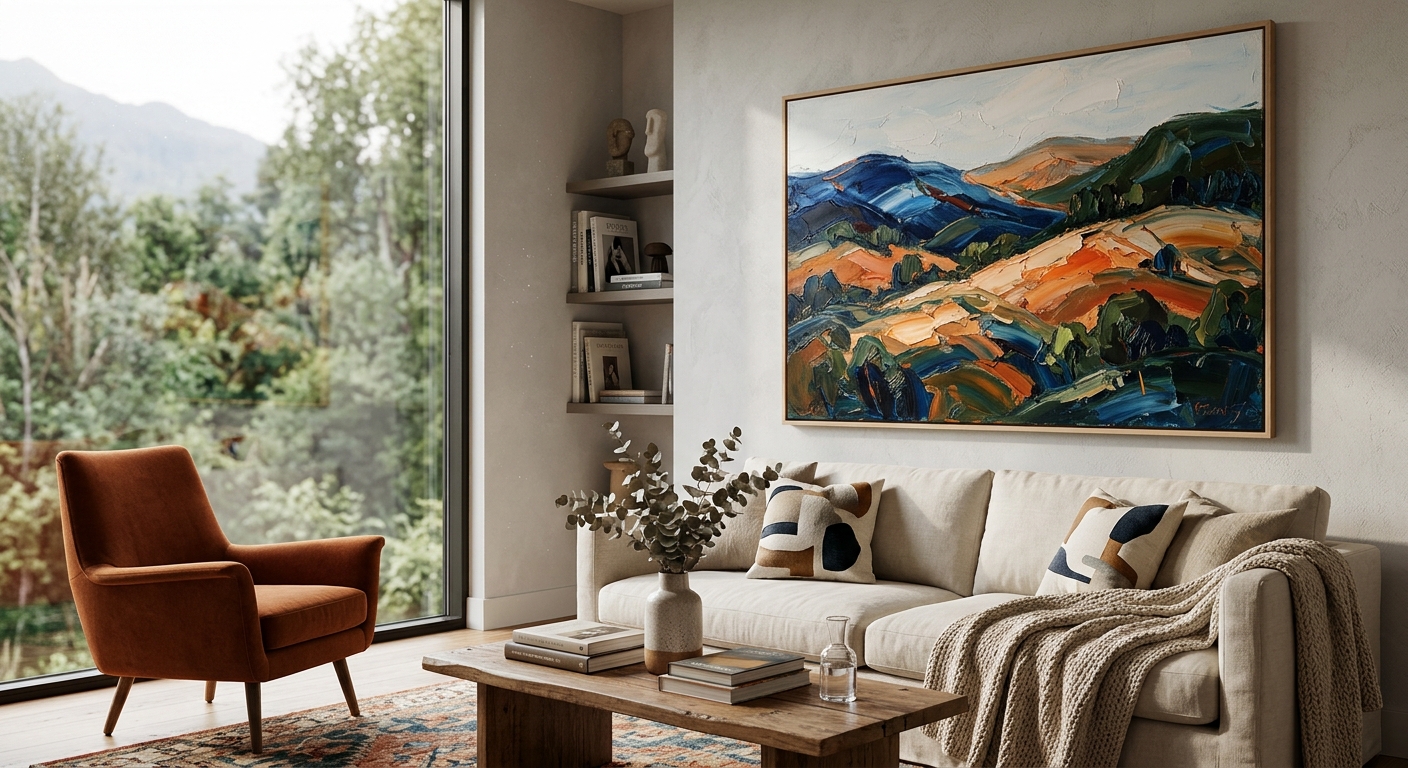

Art has always played an important role in human culture. From traditional landscapes and realistic portraits to contemporary abstract compositions, paintings provide a unique way to communicate emotions, preserve experiences, and express creativity. A beautiful painting does more than decorate a wall. It can influence the atmosphere of a room, inspire conversations, and create a lasting emotional connection with the people who experience it.
In modern interior design, original artwork has become an increasingly meaningful choice for homeowners, collectors, and creative professionals. People are moving beyond ordinary decorations and looking for distinctive pieces that reflect their personalities and individual tastes. Understanding the value of artistic expression can help anyone appreciate why original paintings remain an important part of contemporary living.
1. Art Is a Powerful Form of Personal Expression
Every artist approaches a painting with a different perspective. Personal experiences, emotions, surroundings, and imagination all influence the creative process. This is what makes original artwork so interesting. Even when two artists paint the same subject, their finished pieces can communicate entirely different feelings and interpretations.
Some artists prefer realistic representations of nature, architecture, and everyday life. Others experiment with abstract forms, unusual color combinations, and expressive brushwork. Neither approach is necessarily better because art is ultimately about communicating ideas and creating meaningful experiences.
For viewers, discovering different artistic styles can also be an opportunity to understand their own preferences. A painting that initially appears simple may reveal interesting details after repeated observation. This ability to encourage curiosity is one of the qualities that makes original artwork valuable.
2. How Colors Influence the Experience of Artwork
Color is among the most important elements of painting. Artists use different shades, contrasts, and combinations to establish atmosphere and direct the viewer’s attention.
Warm colors such as red, orange, and yellow can communicate energy, warmth, and excitement. Cooler shades, including blue, green, and violet, may create a more peaceful or reflective atmosphere. However, the emotional impact of color also depends on composition, lighting, personal experiences, and the surrounding environment.
For example, a landscape featuring golden sunlight, deep blue skies, and rich green fields may communicate a sense of openness and tranquility. Meanwhile, a painting with contrasting colors and energetic brushstrokes can create a more dramatic visual experience.
Understanding these details helps viewers appreciate the thought and creativity involved in producing a painting.
3. Why Original Paintings Are Different From Mass-Produced Decorations
Mass-produced wall decorations can be convenient, but original paintings offer a different kind of experience. An original piece reflects the individual decisions, techniques, and creative vision of its artist.
Small details such as visible brushstrokes, layered textures, and subtle variations in color contribute to the personality of a painting. These characteristics make each original artwork distinctive.
Original paintings can also become meaningful personal possessions. Someone might choose a landscape because it reminds them of a memorable vacation, while another person may connect with an abstract composition because of its colors and movement.
For collectors, original artwork can represent an opportunity to support creative individuals while building a collection that reflects their interests. Its value is not limited to decoration; the artistic story behind the piece can make it even more meaningful.
4. The Lasting Appeal of Landscape Paintings
Landscape painting continues to attract artists and audiences because nature offers endless creative possibilities. Mountains, forests, rivers, oceans, gardens, and countryside scenes provide subjects that can be interpreted in countless ways.
Some landscape artists focus on realistic details, carefully representing natural light, shadows, and geographical features. Others use impressionistic techniques to capture the atmosphere or emotional feeling of a particular moment.
Sunset paintings, for example, often combine warm golden tones with dramatic skies and distant horizons. These compositions can create a sense of peacefulness and encourage viewers to imagine themselves within the scene.
Landscape artwork also allows people to bring elements of nature into their homes. For individuals living in busy cities, a beautiful countryside painting can introduce a visual connection to outdoor environments.
5. Selecting Artwork That Complements Your Interior
Choosing artwork for a home or workplace requires consideration of both personal taste and interior design. The right painting should complement the surrounding environment without losing its individual character.
Here are several useful factors to consider:
-
Room size: Large paintings can create an impressive focal point in spacious rooms, while smaller pieces may be more suitable for compact areas.
-
Color coordination: Consider how the artwork’s colors interact with furniture, flooring, curtains, and wall finishes.
-
Artistic style: Traditional, contemporary, impressionistic, and abstract paintings can each create a different atmosphere.
-
Lighting: Appropriate lighting helps reveal the painting’s colors, textures, and finer details.
-
Personal connection: Choose artwork that genuinely interests you rather than selecting something simply because it matches a popular decorating trend.
A carefully selected painting can bring different elements of a room together while making the environment feel more personal.
6. Exploring Contemporary Artists and Creative Perspectives
Contemporary art provides audiences with opportunities to discover new techniques, ideas, and interpretations. Artists continue to experiment with materials, compositions, and subjects, creating work that reflects their individual approaches to visual storytelling.
Exploring the work of artists such as Bruce Bowles can help art enthusiasts discover creative perspectives and develop a greater appreciation for painting. Learning about an artist’s approach also encourages viewers to look beyond the subject itself and consider the techniques and artistic decisions involved.
Following artists, visiting exhibitions, and exploring online art collections are practical ways to become more familiar with different styles. These experiences can help collectors identify the types of paintings that appeal to them most.
The more people explore the art world, the easier it becomes to recognize the details that make individual paintings distinctive.
7. How Art Encourages Creativity and Imagination
One of the most interesting qualities of visual art is its ability to encourage imagination. Unlike written explanations, paintings do not always provide a single interpretation. Different viewers can observe the same composition and develop completely different ideas about its meaning.
This openness makes art an excellent way to encourage creative thinking. Children can develop observation skills by discussing colors, shapes, and subjects, while adults can use artwork as a source of inspiration and reflection.
Painting also demonstrates the importance of experimentation. Artists frequently explore new approaches, learn from mistakes, and refine their techniques over time. Their creative journeys show that artistic development requires patience, curiosity, and a willingness to explore unfamiliar ideas.
These lessons extend beyond painting and can inspire creativity in many areas of everyday life.
8. Making Art a Meaningful Part of Everyday Living
Artwork does not need to be reserved for galleries, museums, or special occasions. Paintings can become an important part of everyday environments, including living rooms, bedrooms, offices, and creative spaces.
A thoughtfully selected piece can make an ordinary room feel more inviting. It may also become a conversation starter when guests notice its colors, subject, or distinctive artistic style.
People can gradually develop their own collections by selecting paintings that represent different interests, memories, and creative preferences. There is no requirement to follow a particular trend or collect artwork from only one artistic movement.
The most rewarding collections often develop naturally through curiosity and personal appreciation.
Conclusion
Artistic expression continues to influence how people experience their surroundings and understand the world. Original paintings combine color, composition, texture, and imagination to create visual experiences that can inspire emotions and encourage meaningful connections.
Whether someone appreciates peaceful landscapes, contemporary compositions, or expressive abstract artwork, exploring different artistic styles opens the door to new creative perspectives.
By discovering original paintings and following talented artists such as Bruce Bowles, art enthusiasts can develop a deeper appreciation for creativity and bring distinctive artistic character into their everyday spaces. Ultimately, the beauty of art lies in its ability to make people pause, observe, imagine, and experience something beyond the ordinary.