Physical Address
304 North Cardinal St.
Dorchester Center, MA 02124
Physical Address
304 North Cardinal St.
Dorchester Center, MA 02124

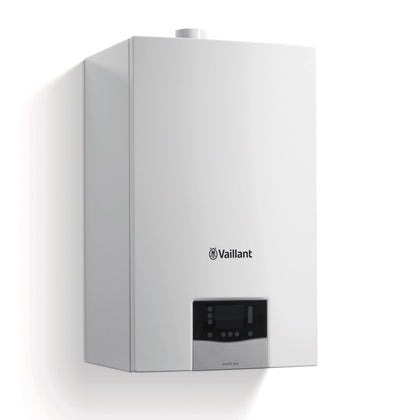
Having hot water available whenever you need it can make everyday life more comfortable. From washing dishes in the kitchen to washing your hands in the bathroom, warm water is useful for many household tasks. An under sink water heater is a practical solution for people who want hot water close to a particular tap. Its compact design makes it suitable for many homes, apartments, and smaller spaces.
Before buying an under sink water heater, it is important to understand how it works, how much hot water you need, and which type is suitable for your home. You should also consider the available installation space, energy use, safety features, and maintenance requirements. Taking time to compare these details can help you choose a water heater that meets your needs and fits your budget. This guide explains the main things to know before making your purchase.
An under sink water heater is a compact device designed to heat water near a sink. It is usually installed inside the cabinet below the kitchen or bathroom basin. Because the unit is close to the tap, it can provide hot water without depending entirely on a central water heater located elsewhere in the property.
These units are available in different sizes and designs. Some models store a limited amount of hot water in a small tank, while others heat water as it flows through the unit. Both types can be useful, depending on how much hot water you need and how often the sink is used. Understanding the main features of each type is a helpful first step when choosing an under sink water heater.
One of the first decisions is whether to buy a storage water heater or a tankless model. A storage under sink water heater keeps a certain amount of water heated inside a small tank. When you open the hot water tap, the stored water is available for use. The amount of hot water you can use at one time depends on the tank’s capacity and the temperature settings.
A tankless under sink water heater works differently. It heats water as it passes through the unit instead of storing a tank of hot water. This design can save space, but the amount of hot water it can provide depends on its heating power, water flow, and incoming water temperature. Compare both types based on your daily needs rather than choosing a model based only on its size or appearance.
The size of the water heater is an important factor when buying an under sink water heater. A unit that is too small may not provide enough hot water for your usual tasks. A larger unit may take up more cabinet space than necessary. The right size depends on how the sink is used and how many people need hot water throughout the day.
For a bathroom basin used mainly for handwashing, a smaller unit may be suitable. A kitchen sink used for washing dishes and cleaning may need a different capacity. Think about how long hot water is usually needed and whether several people use the sink one after another. Checking the manufacturer’s capacity information can help you select a model that matches your household’s needs.
Before purchasing an under sink water heater, measure the cabinet or installation area carefully. Check the available height, width, and depth, and leave enough room for the required pipework and connections. You should also consider whether the cabinet has shelves, drawers, or other items that may affect where the unit can be installed.
It is important to make sure the heater can be accessed for inspection and maintenance after installation. The area should also meet the manufacturer’s requirements for ventilation, clearance, and protection from water. If space is limited, compare the dimensions of several suitable models. A careful measurement can help you avoid installation problems and make better use of the available cabinet space.
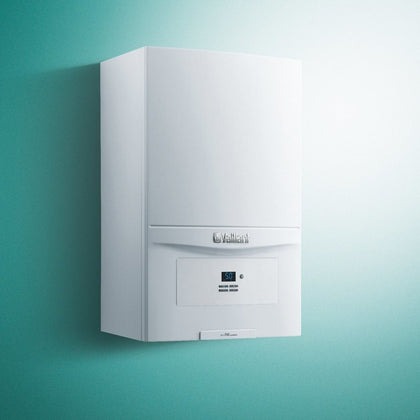
Water flow is another important point to consider when choosing an under sink water heater. Different models can heat water at different flow rates. A tankless unit, for example, may provide a lower flow of hot water when the incoming water is very cold or when a higher temperature is selected.
Think about how you normally use the sink. If you need a steady flow of warm water for washing dishes, check whether the model can meet that need. For a bathroom basin used for short tasks, the requirements may be different. Read the product specifications carefully and ask the supplier or installer to explain how the unit is expected to perform in your home’s conditions.
An under sink water heater uses energy to heat water, so it is important to check its power requirements before buying. The energy use depends on the model, heating capacity, temperature settings, and how often hot water is used. Storage models may use energy to keep stored water warm, while tankless models generally use energy when water is being heated.
Check the product’s rated power and the electrical requirements listed by the manufacturer. Make sure your home’s electrical system can safely support the unit. A qualified electrician or installer can check the supply and advise whether any changes are needed. Choosing a heater that matches your actual hot water needs can help you avoid paying for a unit with a capacity that is greater than necessary.
The purchase price is only one part of the total cost of owning an under sink water heater. Installation, energy use, and future maintenance should also be considered. A model with a lower initial price may have different installation or operating requirements from a more expensive option, so it is useful to compare the complete cost.
When comparing products, look at the features, capacity, warranty, and expected maintenance needs. Ask whether the quoted price includes installation and any required fittings. You should also check the availability and cost of replacement parts, where applicable. Considering these details can help you choose a unit that suits your budget over the longer term.
Safety should always be a priority when buying an under sink water heater. Depending on the model, safety features may include temperature controls, overheat protection, and pressure-related safety devices. Check the product information to understand which features are included and whether they are suitable for your installation.
Correct installation is just as important as the features built into the unit. The heater should be connected according to the manufacturer’s instructions and local electrical and plumbing requirements. Because the installation involves water and may involve electricity, professional installation is a sensible choice. Make sure you understand how to adjust the temperature and what steps to take if the unit needs attention.
A warranty can provide useful information about the support available after purchase. Before choosing an under sink water heater, read the warranty terms and check what is covered, how long the coverage lasts, and what conditions apply. It is also helpful to know where to contact the supplier if you need assistance.
Maintenance requirements can vary between models. Some units may need periodic checks, while others may require specific care based on the water quality and design. Read the user manual to understand the recommended maintenance schedule. Keeping the unit clean, checking for visible leaks, and arranging professional servicing when recommended can help keep it working as intended.
A kitchen sink is often used for several tasks throughout the day. These may include washing dishes, cleaning vegetables, rinsing utensils, and general cleaning. For this reason, it is important to choose an under sink water heater that can provide enough hot water for the way your kitchen is used.
Consider how many people live in your home and how frequently the kitchen tap is used. If several tasks happen one after another, check the unit’s capacity and recovery time, or the flow rate for a tankless model. Also make sure the heater fits comfortably inside the kitchen cabinet. Matching the unit to your routine can make everyday kitchen activities more convenient.
Bathroom water use is often different from kitchen use. A basin may mainly be used for washing hands, brushing teeth, and personal care. In this situation, a compact water heater may provide a convenient supply of hot water without taking up too much space.
Before buying a unit for the bathroom, consider the number of people using the basin and how often hot water is needed. Check the cabinet dimensions and ensure the installation location is suitable for the chosen model. The water temperature should also be set appropriately for the intended use. A well-matched unit can provide convenient hot water while fitting neatly into the bathroom layout.
A Wiser thermostat is designed to control compatible home heating systems and help manage indoor temperatures. An under sink water heater has a different purpose: it heats water for a nearby tap. Understanding this difference is important when planning the heating and hot water equipment in your home.
Do not assume that a Wiser thermostat can control an under sink water heater. Compatibility depends on the specific devices and how they are designed to work together. If you want to connect different home systems, check the manufacturer’s instructions and seek advice from a qualified installer. This can help you choose equipment that works correctly for its intended purpose.
Some homeowners also consider solar energy when planning their home’s electricity use. Ja solar is a keyword associated with solar panels, which generate electricity from sunlight as part of a suitable solar power system. A solar installation may contribute to the electricity used by household appliances, depending on the system’s design and available energy.
An under sink water heater and solar panels perform different functions. The water heater uses energy to warm water, while solar panels generate electricity. Whether a solar system can supply some of the electricity used by a water heater depends on the property’s electrical setup, the size of the solar installation, and the amount of power available. If you want to use solar energy for water heating, ask a qualified professional to check the system’s suitability.
Buying an under sink water heater can be a practical way to enjoy hot water close to your kitchen or bathroom sink. Before making a decision, consider the type of heater, its capacity, available space, heating performance, energy requirements, and total cost. It is also important to check the safety features, warranty, and maintenance instructions.
The right model should match your household’s hot water needs and fit the available installation area. Make sure the unit is compatible with your plumbing and electrical systems, and arrange professional installation when required. If your home also includes a wiser thermostat or a JA Solar energy system, remember that each device has a different purpose and should be used according to its own instructions. By comparing your options carefully, you can choose an under sink water heater that supports a comfortable, convenient, and well-planned home.




