

Lighting is an important part of modern interior design. It helps people see clearly, creates a comfortable atmosphere, and highlights the beauty of different spaces. The right lighting can also make a room look larger, brighter, and more organized. When planning a home or office lighting system, two popular options are track lighting and recessed lighting.
Both lighting styles offer useful features, but they work in different ways. Track light uses fixtures attached to a track mounted on the ceiling or wall. The light heads can often be adjusted to direct light toward specific areas. Recessed lighting, on the other hand, is installed inside the ceiling, creating a clean and simple appearance. Choosing between these options depends on room size, ceiling design, lighting needs, and personal style. In this article, we will compare track lighting and recessed lighting, explain their main features, and discuss how they work with other interior fixtures, including ceiling fans.
What Is Track Light?
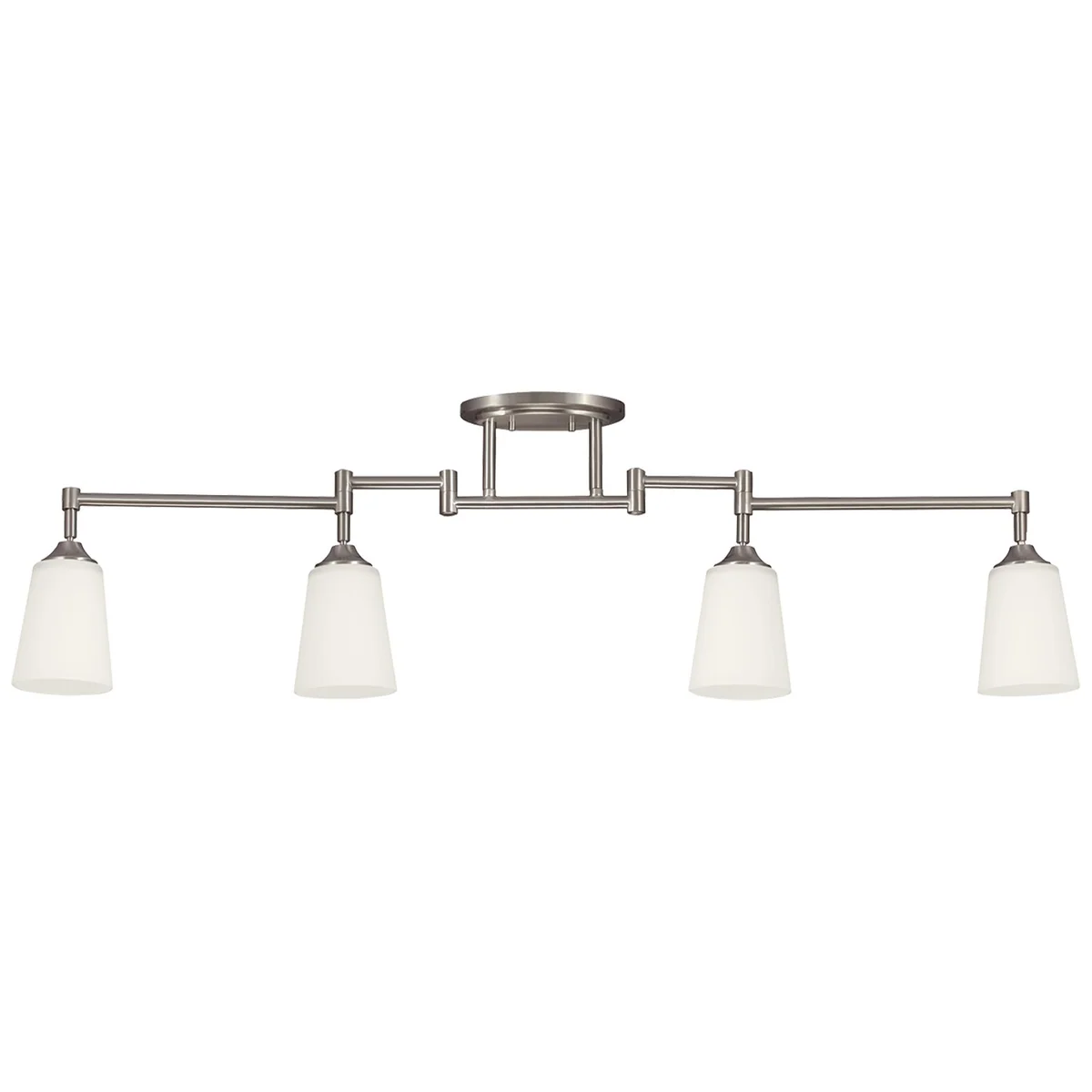
Track light is a lighting system that uses a track mounted on the ceiling or wall. Individual light fixtures are attached to this track and can often be moved or adjusted. This allows users to direct light toward different areas of a room. Track lighting is available in many designs, sizes, and finishes. Some systems have straight tracks, while others use L-shaped or flexible arrangements. The light heads may also come in different shapes and sizes, making it easier to match the lighting with modern, traditional, or minimalist interiors.
One of the main features of track lighting is its flexibility. You can use it to highlight artwork, illuminate kitchen counters, brighten display shelves, or provide focused light in a home office. It is especially useful in spaces where lighting needs may change over time.
What Is Recessed Lighting?
Recessed lighting is installed inside an opening in the ceiling. The main body of the light remains hidden above the ceiling surface, while the trim and light source are visible from below. This creates a smooth and organized appearance. Recessed lights are commonly used in living rooms, bedrooms, kitchens, hallways, and bathrooms. They can provide general lighting across a room or focus light on a particular area, depending on their design and placement.
These fixtures are available in different sizes, shapes, brightness levels, and color temperatures. Some models also offer adjustable light direction, while others provide light directly downward. Because recessed lighting sits inside the ceiling, it is often selected for interiors where a simple and uncluttered ceiling design is preferred.
Track Light vs. Recessed Lighting: Main Design Differences
The most noticeable difference between track light and recessed lighting is their appearance. Track lighting remains visible on the ceiling, while recessed lighting is installed inside the ceiling. Both styles can support modern interior designs, but they create different visual effects. Track lighting can become part of the room’s decoration. Its tracks and adjustable heads may add a modern detail to the ceiling. This makes it suitable for spaces where lighting fixtures are also used as design features.
Recessed lighting creates a more subtle appearance because most of the fixture is hidden. It works well in rooms where homeowners want the ceiling to look simple and clean. The choice depends on whether you prefer visible lighting fixtures or a more integrated ceiling design.
Track Light vs. Recessed Lighting for Living Rooms
Living rooms are used for many activities, including relaxing, watching television, reading, and spending time with family. For this reason, lighting should be comfortable and flexible enough to support different needs. Using track light in a living room allows you to direct light toward artwork, decorative shelves, seating areas, or selected wall features. Adjustable light heads make it possible to create different lighting arrangements without changing the entire system.
Recessed lighting can provide general illumination throughout the living room. Several fixtures placed at suitable distances can create an even lighting effect. Some homeowners combine recessed lights with floor lamps or decorative fixtures to create different levels of light. The right option depends on the room’s layout and design. Track lighting is useful when focused lighting is important, while recessed lighting is suitable for creating a simple overall lighting arrangement.
Which Lighting Works Better in Kitchens?
Kitchen lighting should support everyday activities such as cooking, food preparation, cleaning, and organizing. Good lighting helps people see countertops, cabinets, and work areas clearly. Track light can be installed above kitchen islands or countertops to provide focused illumination. Its adjustable heads allow light to be directed toward specific workspaces. It can also highlight open shelves or decorative kitchen features.
Recessed lighting is another useful option for kitchens. Fixtures can be arranged across the ceiling to provide general brightness. They can also be positioned near important work areas to support everyday kitchen activities. In many kitchens, a combination of both lighting types can be practical. Recessed lights can provide overall illumination, while track lighting can focus on selected areas. The final arrangement should consider cabinet placement, ceiling height, and the location of cooking equipment.
Track Light vs. Recessed Lighting for Bedrooms
Bedroom lighting should create a comfortable environment for sleeping, reading, and relaxing. A well-planned lighting arrangement can make the room feel warm and welcoming. Track light can be used to highlight decorative walls, wardrobes, reading corners, or artwork. Adjustable fixtures provide flexibility when the room layout or decoration changes. Choosing a warm light tone can also help create a relaxed atmosphere.
Recessed lighting offers a clean ceiling appearance and can provide general illumination. It can be arranged around the room to spread light evenly. Dimmable options may also help users adjust brightness for different activities. When selecting bedroom lighting, consider the bed position, ceiling height, and furniture arrangement. Both options can work well when the brightness and fixture placement match the room’s purpose.
Installation Differences Between Track Light and Recessed Lighting
Installation is another important factor when comparing these two lighting systems. Track lighting is generally mounted on the ceiling surface or another suitable structure. The track is connected to an appropriate electrical supply, and the light heads are fitted according to the system’s instructions.
Recessed lighting usually requires openings in the ceiling. The fixture housing is placed above the ceiling surface, and the visible trim is fitted from below. Installation may require access to the ceiling space, suitable housing, and correct electrical connections. The installation process depends on the ceiling structure, wiring arrangement, and selected fixture type. Before beginning, check the product instructions and local electrical requirements. A qualified electrician should handle electrical connections and any work involving changes to existing wiring.
Energy Efficiency and Lighting Performance
Energy efficiency is an important consideration when choosing home lighting. Both track light and recessed lighting are available with LED technology. LED fixtures can provide useful brightness while using less electricity than many traditional lighting options. The energy use of a lighting system depends on the wattage of each fixture, the number of lights, and how many hours they remain switched on. Choosing suitable brightness for each room can help avoid unnecessary energy use.
Lighting performance also depends on beam angle, color temperature, and fixture placement. A narrow beam can highlight a specific object, while a wider beam can cover a larger area. Recessed lights with suitable beam angles can provide general or focused illumination depending on their design. Before selecting either system, compare the technical specifications. Consider brightness, energy consumption, expected lifespan, and whether the fixtures support dimming.
How Ceiling Fans Work with Track Light and Recessed Lighting
Lighting is only one part of a comfortable interior. Air circulation is also important, especially in rooms where people spend a lot of time. Ceiling fans help move air around a room and create a cooling sensation during warm weather. When planning ceiling fans with track light, consider the position of the fan blades and the lighting fixtures. The track should be installed outside the required blade clearance area. This helps maintain a suitable ceiling arrangement and allows both fixtures to perform their intended functions.
Recessed lighting can also work alongside ceiling fans. Since recessed fixtures sit inside the ceiling, they can create a neat appearance around the fan. However, their placement should still be planned carefully to provide balanced illumination and avoid unwanted shadows. People comparing fan styles may also research Hunter ceiling fans when reviewing different fan designs and specifications. It is useful to consider fan dimensions, mounting requirements, room size, and the position of nearby lighting fixtures before planning the complete ceiling layout.
Which Lighting Is Better for Small Spaces?
Small rooms need carefully planned lighting because every fixture can affect how the space looks and feels. The right arrangement can help a compact room appear brighter and more organized. Recessed lighting is often suitable for small spaces because the fixtures sit inside the ceiling. This keeps the ceiling surface visually simple and leaves more room for other design elements.
Track light can also work in smaller rooms when a compact system is selected. A short track with a few adjustable heads can provide focused lighting without taking up much visual space. It can be useful in small home offices, kitchen corners, and narrow display areas. When choosing lighting for a small room, consider ceiling height, furniture placement, and the amount of light needed. A simple arrangement with suitable brightness can help make the space feel comfortable.
Maintenance and Long-Term Use
Regular maintenance helps keep lighting systems clean and working as expected. Both track lighting and recessed lighting need occasional cleaning to remove dust from visible surfaces. For track light, users can clean the track and fixture surfaces according to the manufacturer’s instructions. Before cleaning or changing a fixture, switch off the electrical supply and allow any hot components to cool. Make sure that replacement parts are compatible with the lighting system.
Recessed lighting usually requires cleaning around the trim and visible light surface. LED fixtures may have a long expected service life, but their performance depends on product quality, installation conditions, and usage. If a fixture needs electrical repair or replacement, contact a qualified electrician. Following the correct maintenance instructions can help keep the lighting system in good condition.
How to Choose the Right Lighting for Your Home
Choosing between track light and recessed lighting depends on your home’s layout and the purpose of each room. Start by identifying the areas that need general lighting and the areas that need focused illumination. If you want adjustable lighting for artwork, shelves, counters, or decorative features, track lighting may be a suitable option. If you prefer a clean ceiling design with fixtures that blend into the surface, recessed lighting may better match your interior style.
You should also consider installation requirements, ceiling structure, brightness, energy use, and maintenance. In some rooms, combining both lighting styles can provide a balanced result. For example, recessed lights can illuminate the entire room while track lights highlight selected features. Before making a final decision, review the lighting specifications and consult a qualified professional if the installation involves electrical or ceiling changes.
Conclusion
Both track light and recessed lighting offer useful ways to improve indoor lighting. Track lighting provides flexibility because its fixtures can often be adjusted to focus light on different areas. Recessed lighting creates a clean ceiling appearance and can provide general illumination throughout a room. The better choice depends on your interior design, room size, ceiling structure, and lighting needs. Track lighting may be suitable for highlighting artwork, kitchen counters, and decorative features, while recessed lighting can support a simple and organized lighting layout.
You can also combine these lighting options with ceiling fans to create a comfortable and practical ceiling design. When planning fixtures alongside options such as hunter ceiling fans, remember to consider room dimensions, blade clearance, and lighting placement. With thoughtful planning, you can create a balanced lighting arrangement that supports both the appearance and everyday use of your home.



